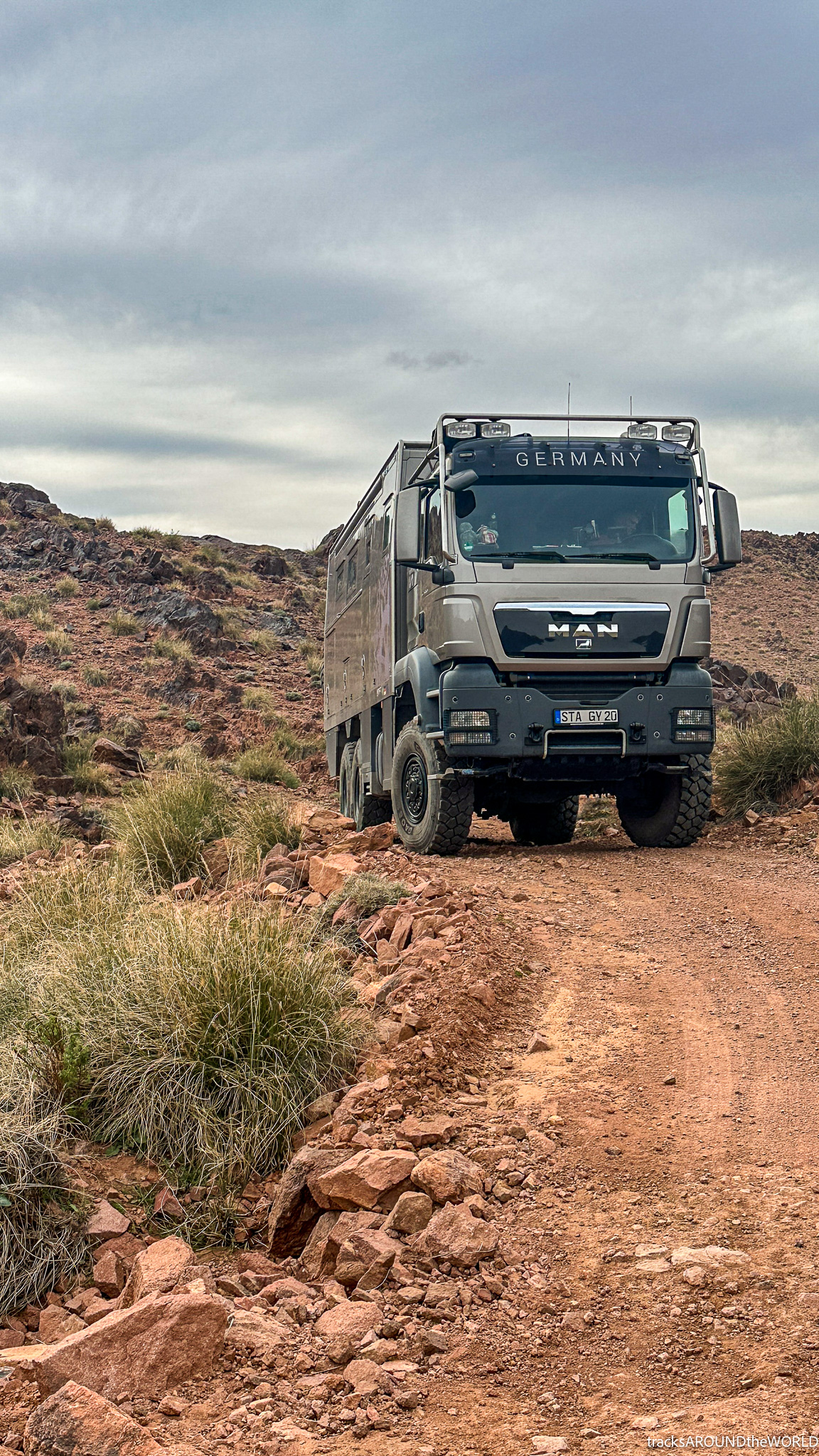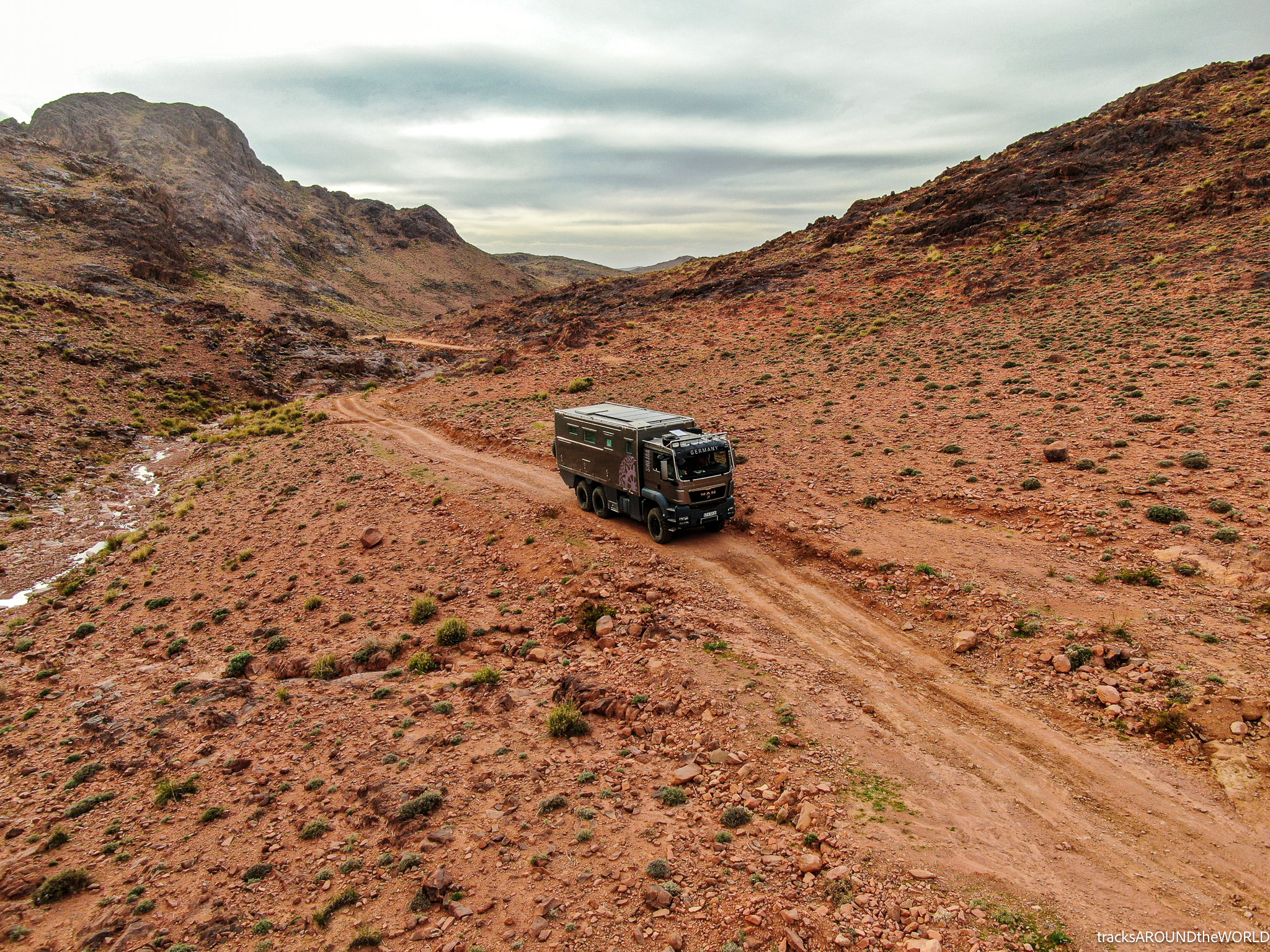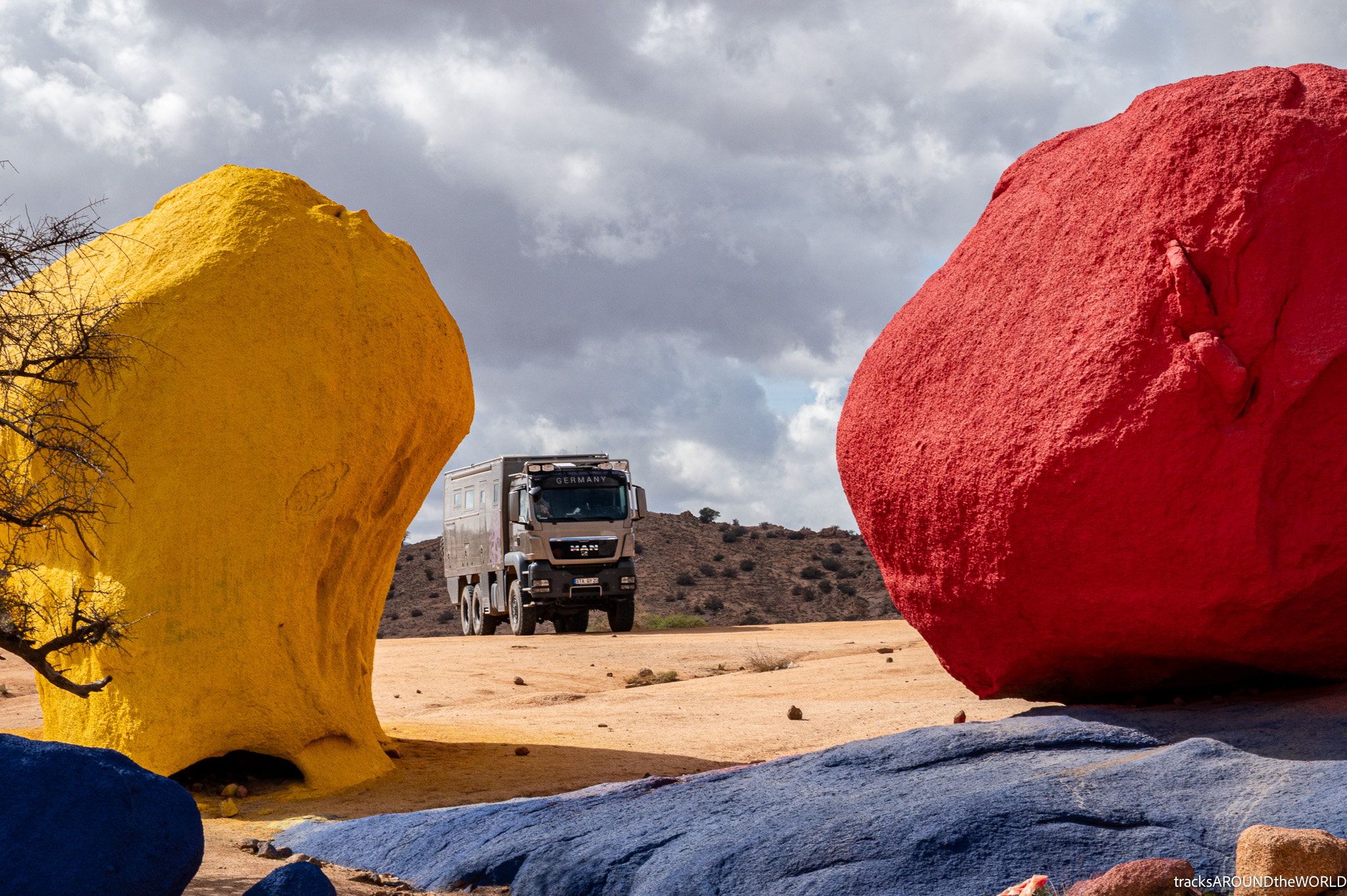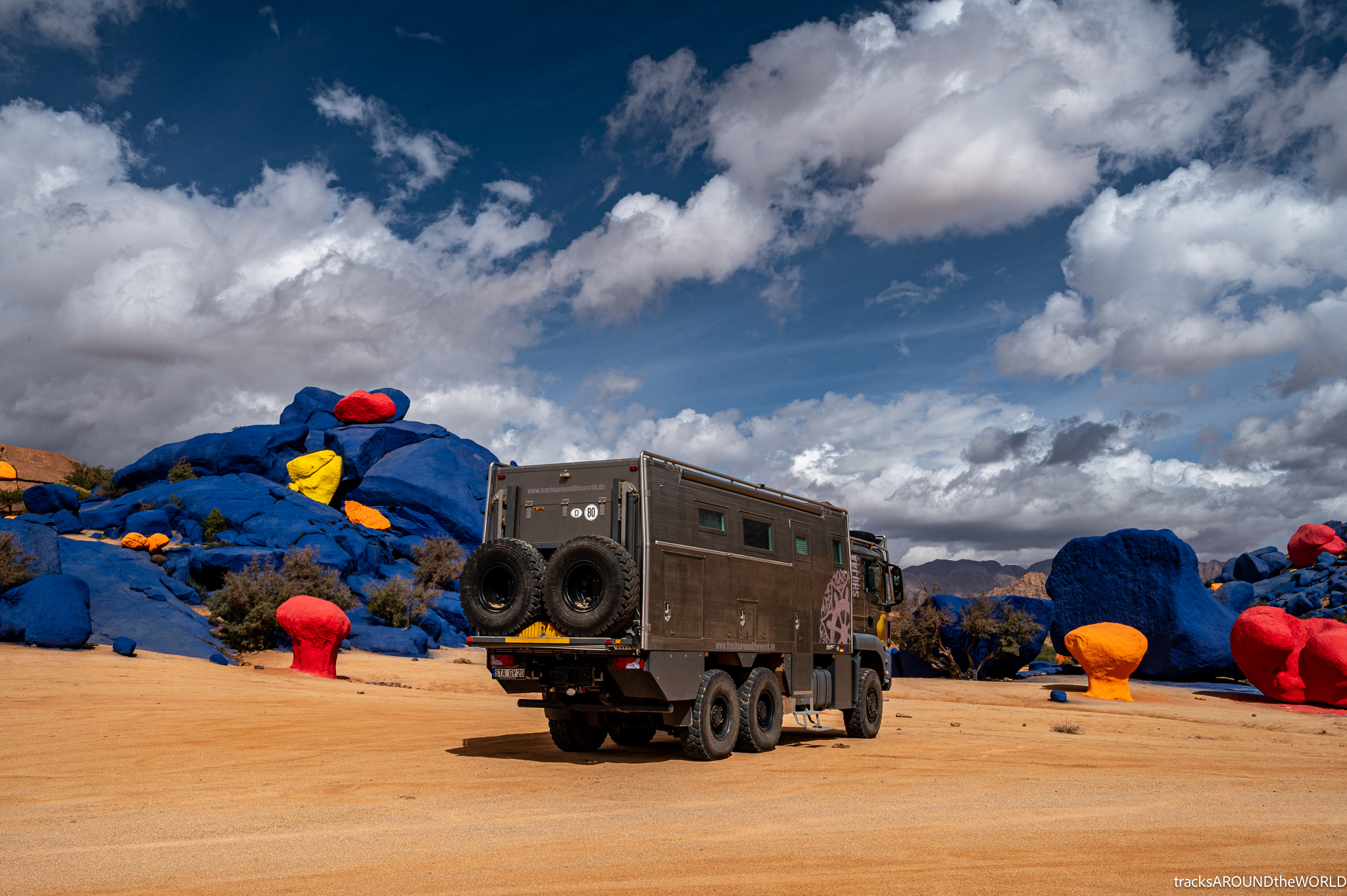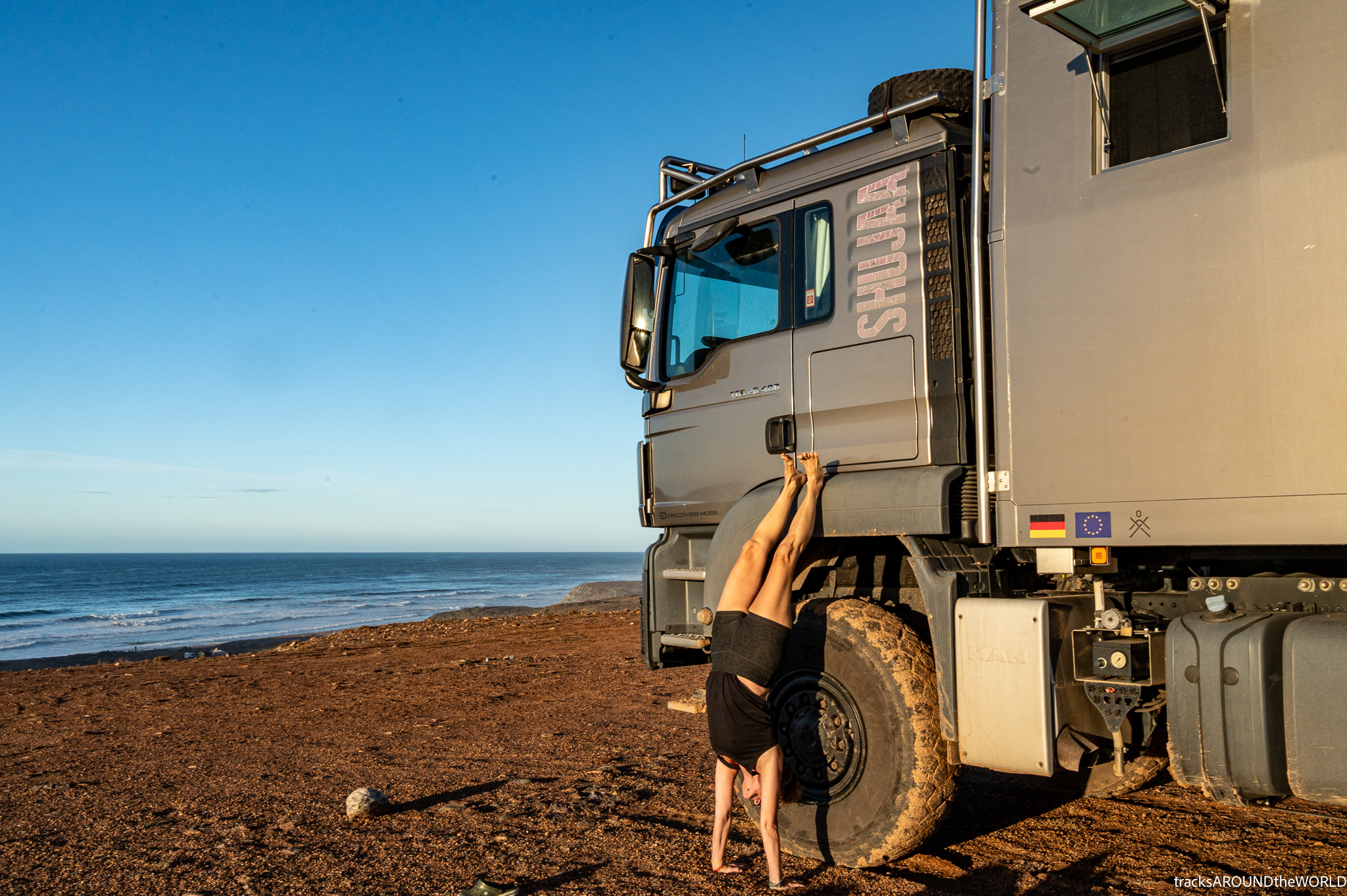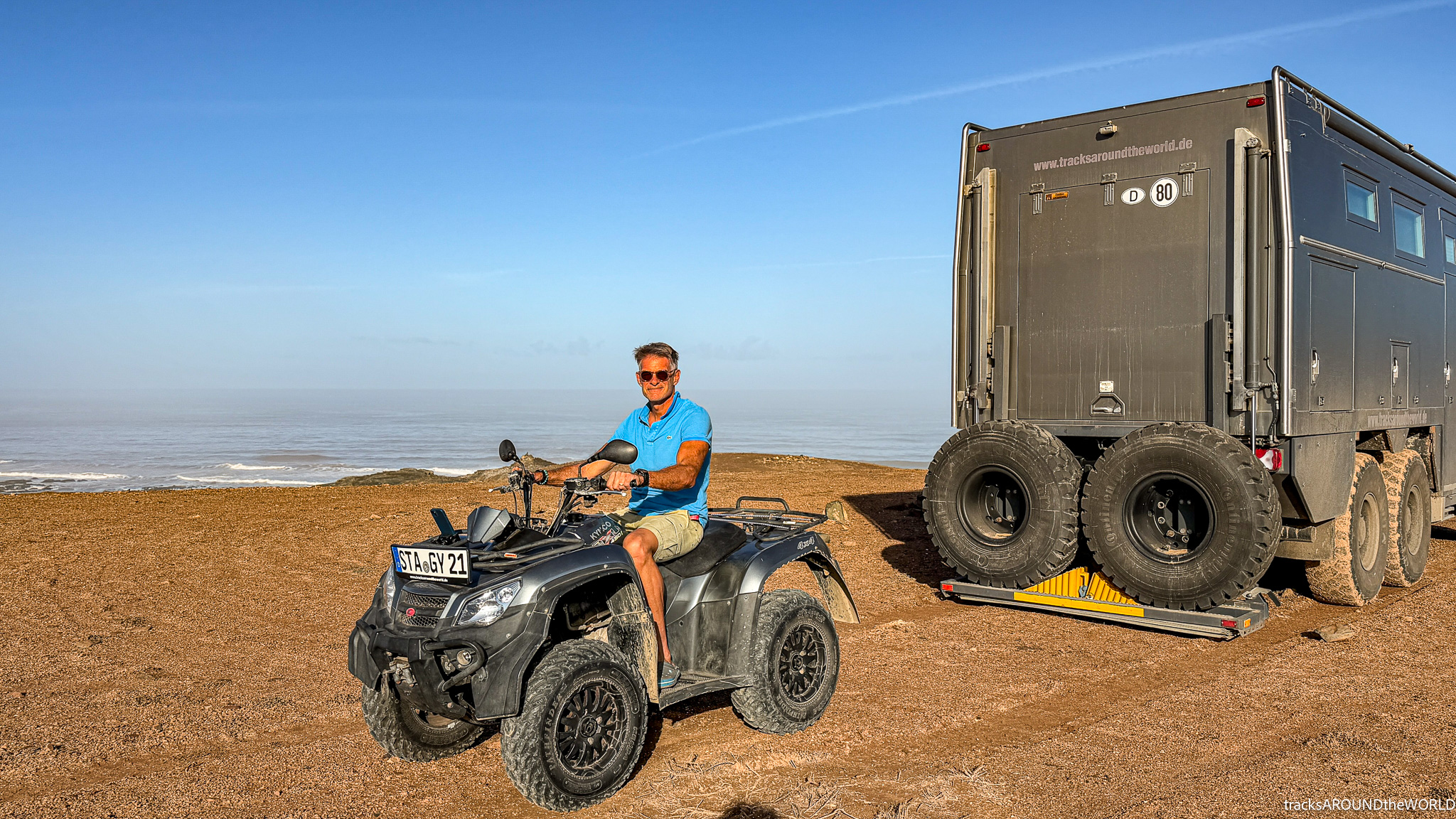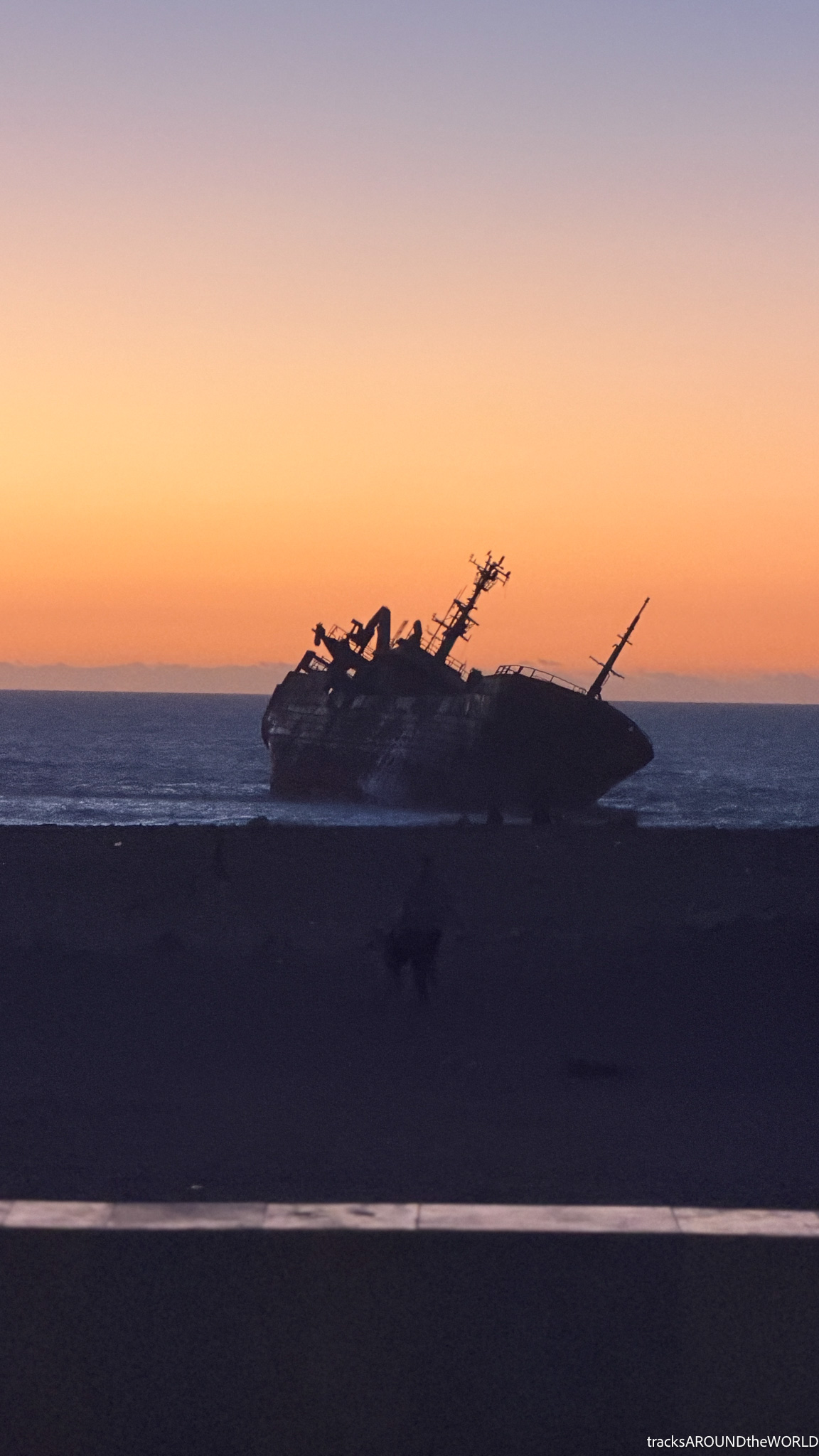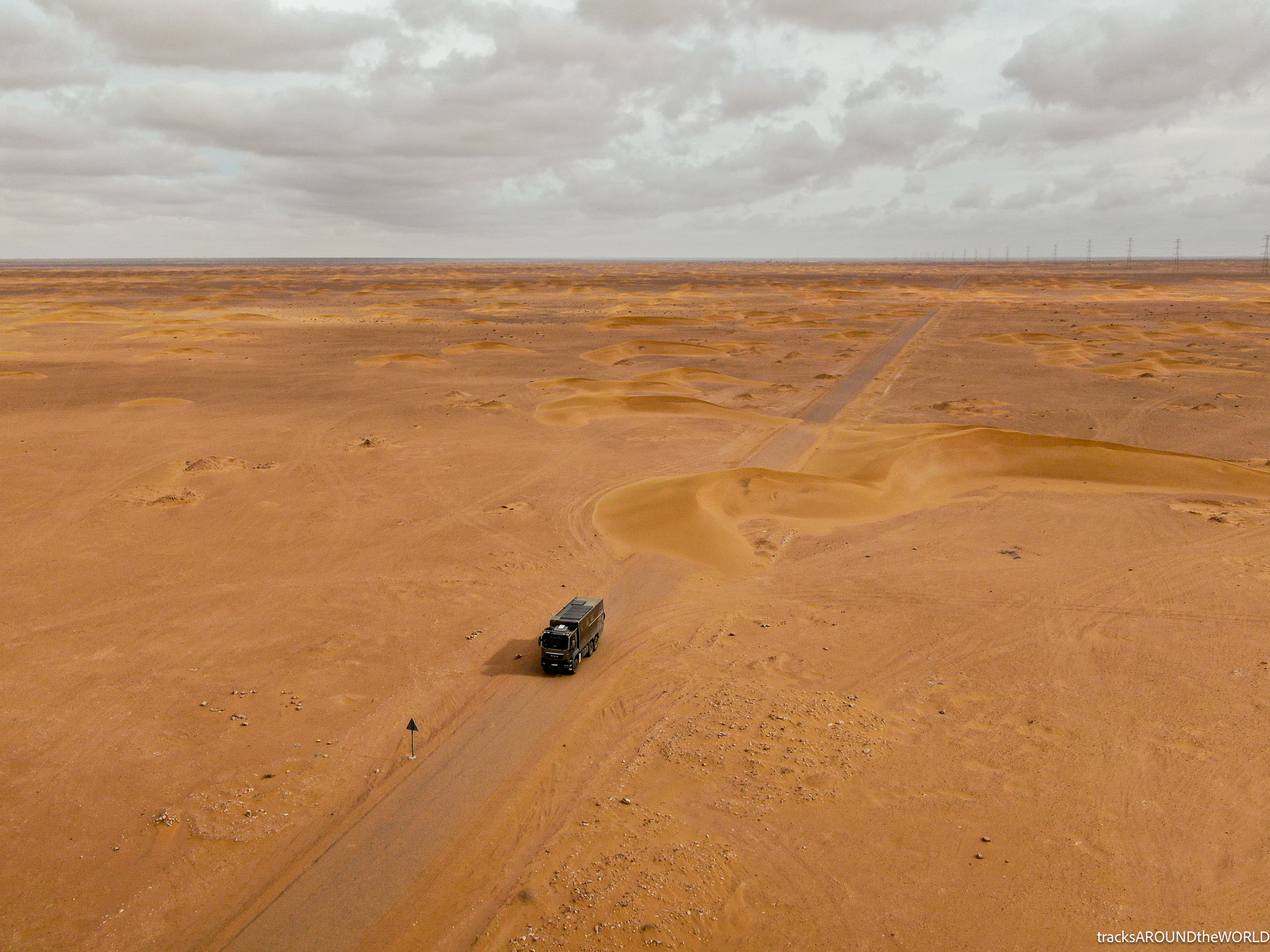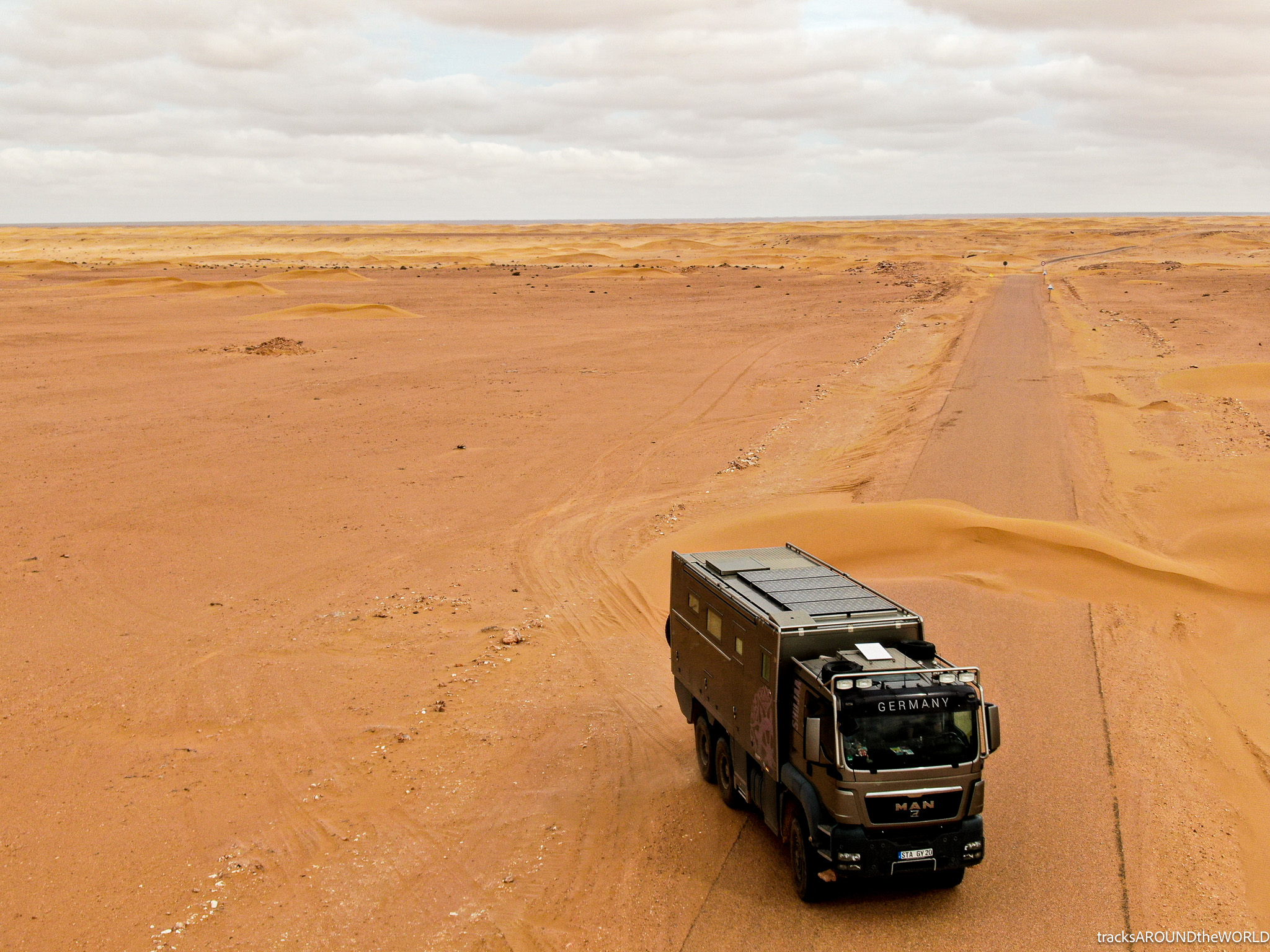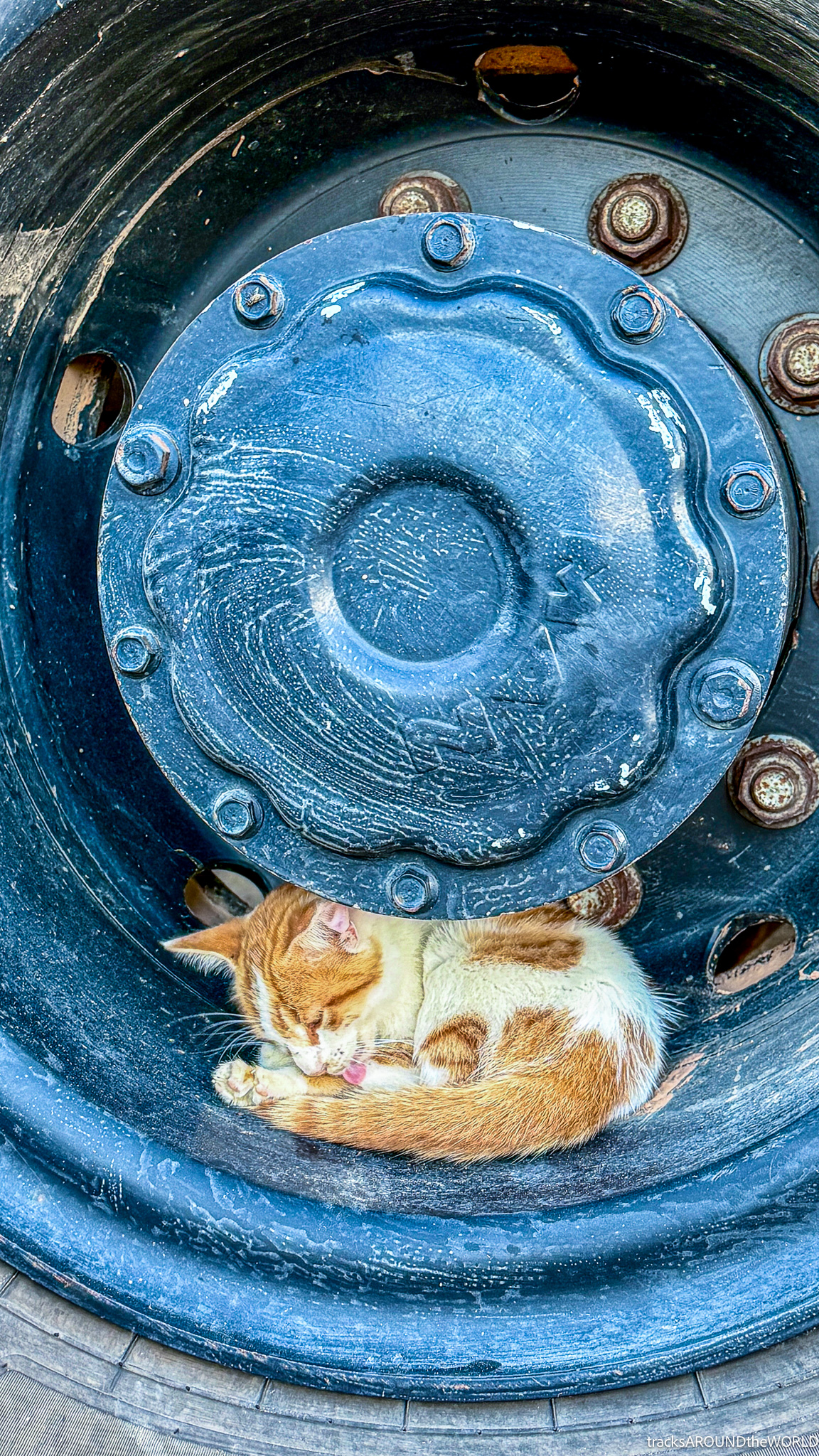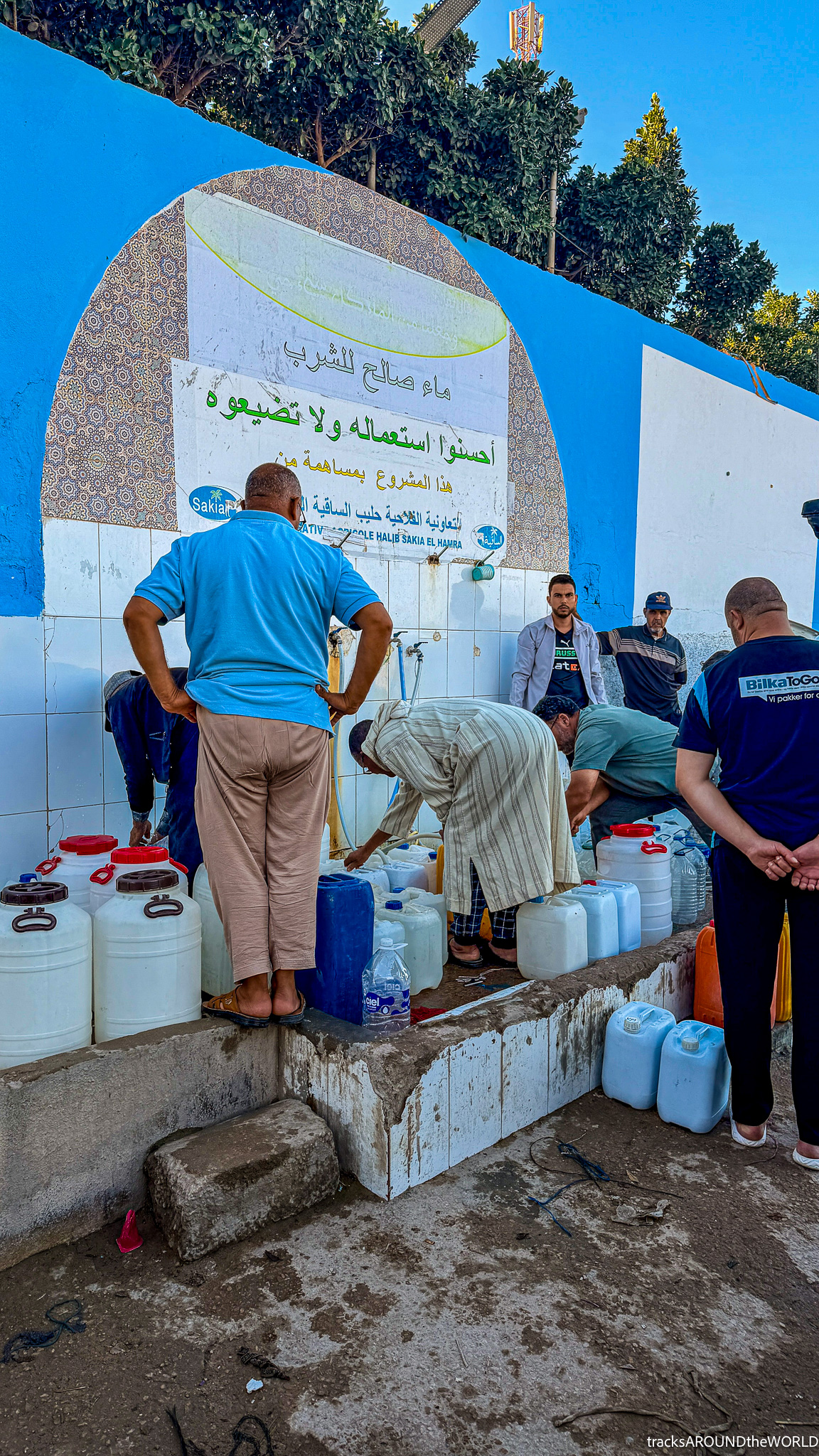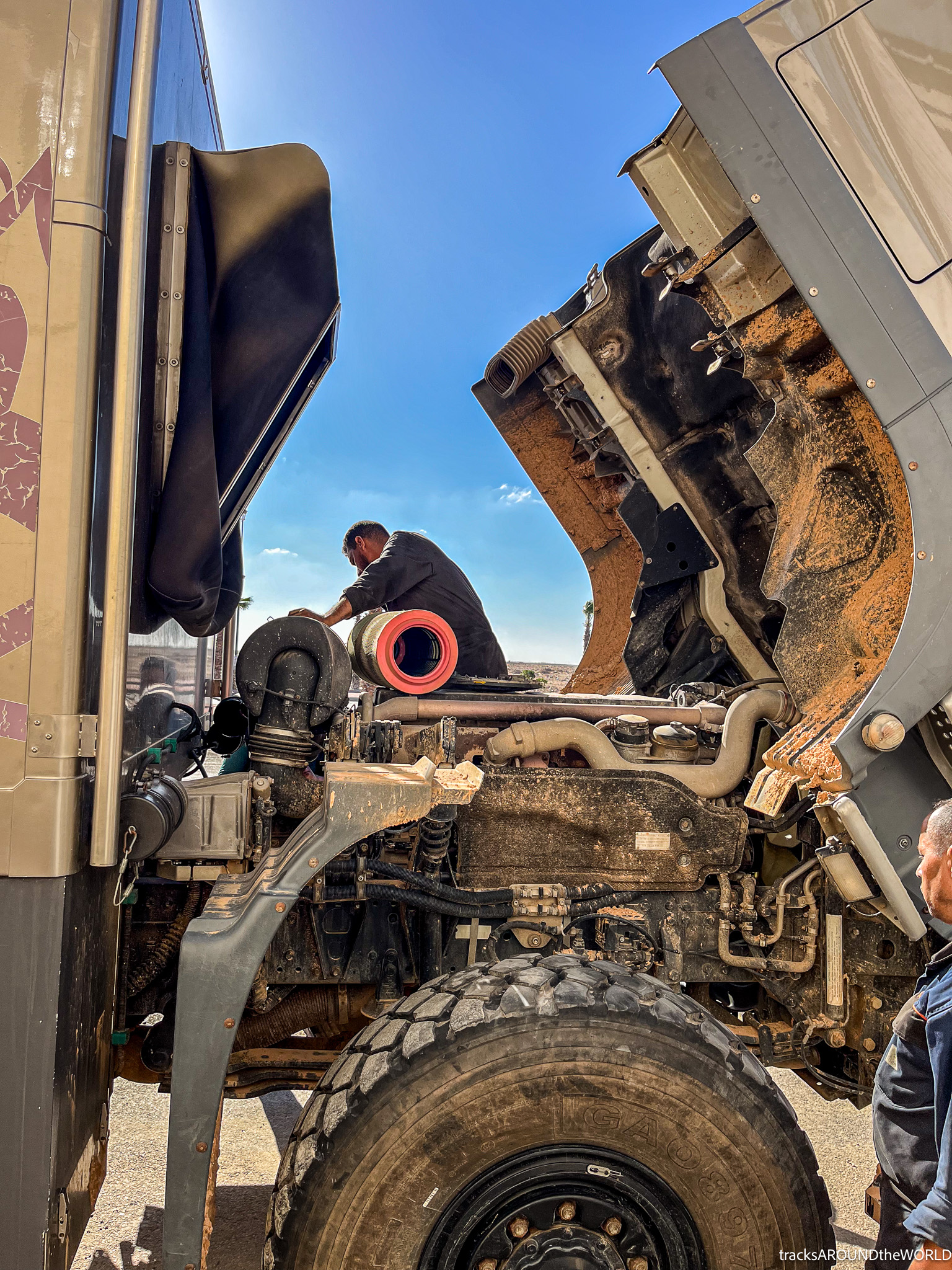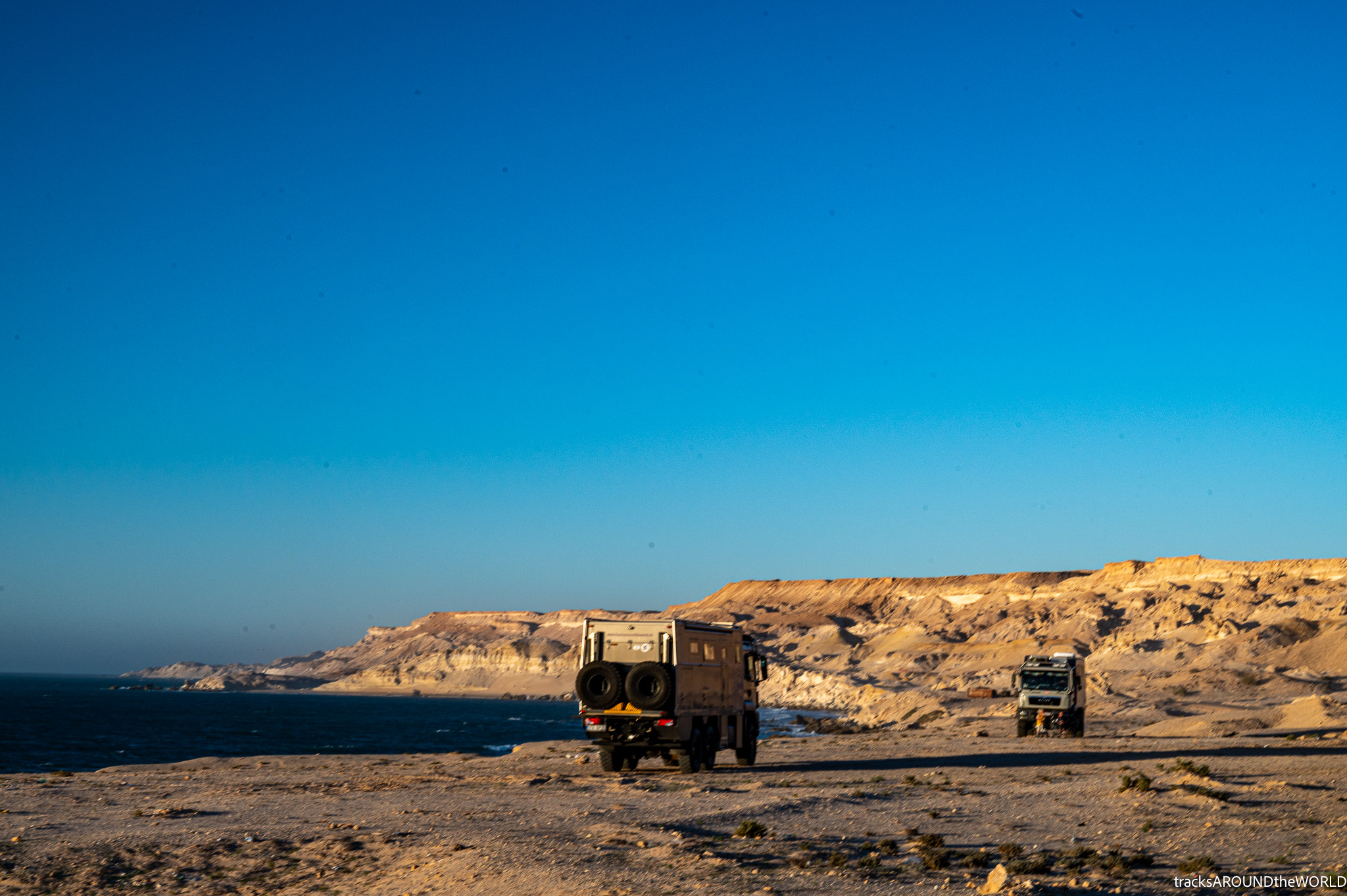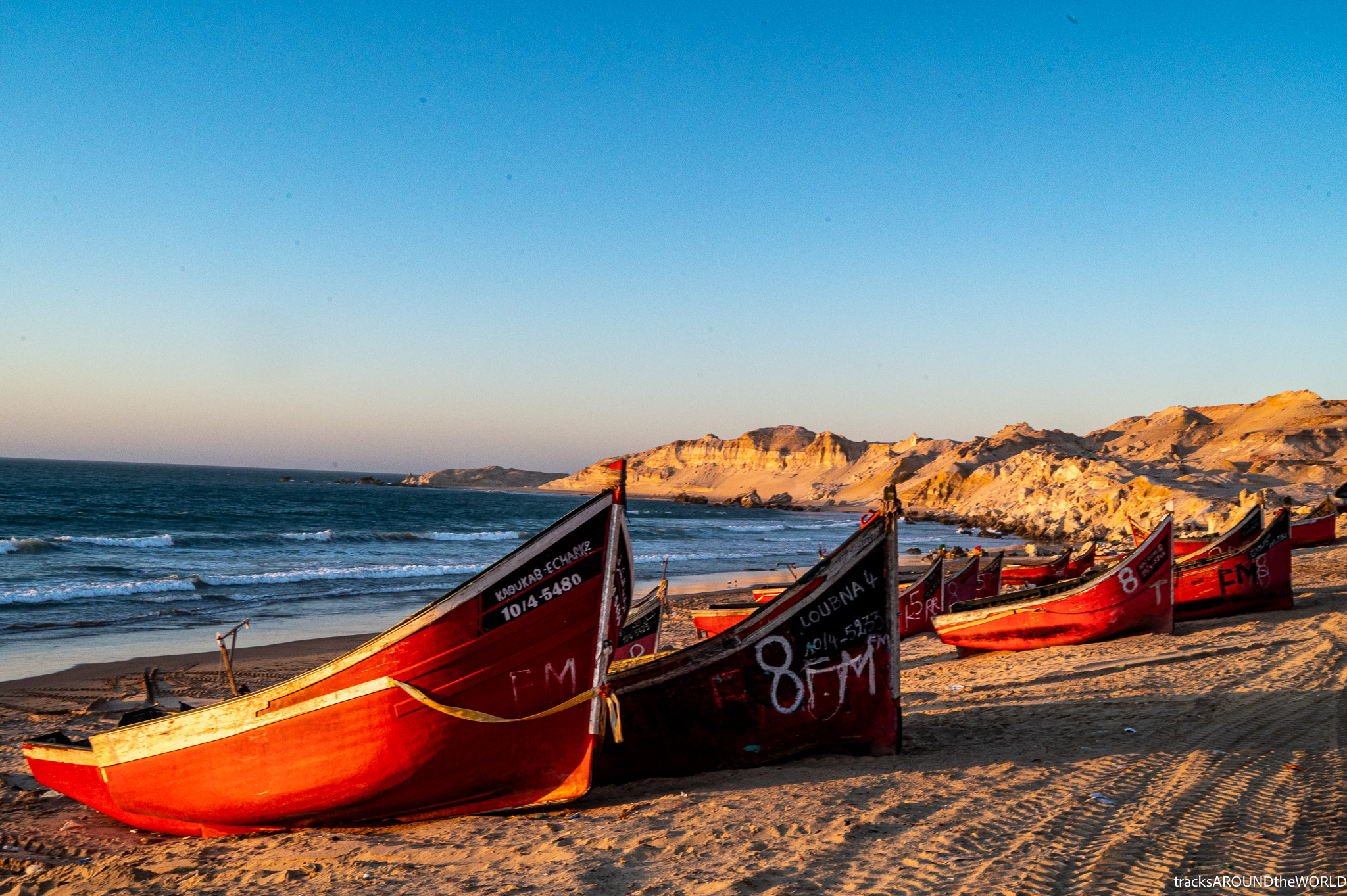
The start of what will probably be our last major journey with Shujaa – travelling overland through West Africa to Namibia and then exploring Southern and Eastern Africa – has been remarkably relaxed this time. No cargo ship to organise, and the convenience of loading the truck practically right on our doorstep, are things we truly appreciate, especially after having done it the other way so many times. Even the leak in our hot water boiler, discovered while filling our water tanks just before departure, can be dealt with quickly thanks to good spare parts logistics in Spain. A brand-new unit is on its way to replace the faulty one.
Now, sitting on the ferry from Mallorca to Valencia, nursing pretty bad colds after a fantastic party weekend in London, we find ourselves lost in thought: Will we enjoy Africa just as much the second time around as we did on our first journey with Shujaa? Or will it be like watching a great movie for the second time, when suddenly it all seems rather ordinary? Was it really a good idea not to ship Shujaa directly to Southern Africa this time, but instead to take the overland route, with all its challenges and visa complexities?
Twelve months away from travelling with Shujaa was also an unusually long break for us. Although we did spend 2.5 months travelling through Nepal and India by plane and rental car – countries we had originally planned to explore with Shujaa after last year’s Silk Road, Mongolia, China and Tibet journey.
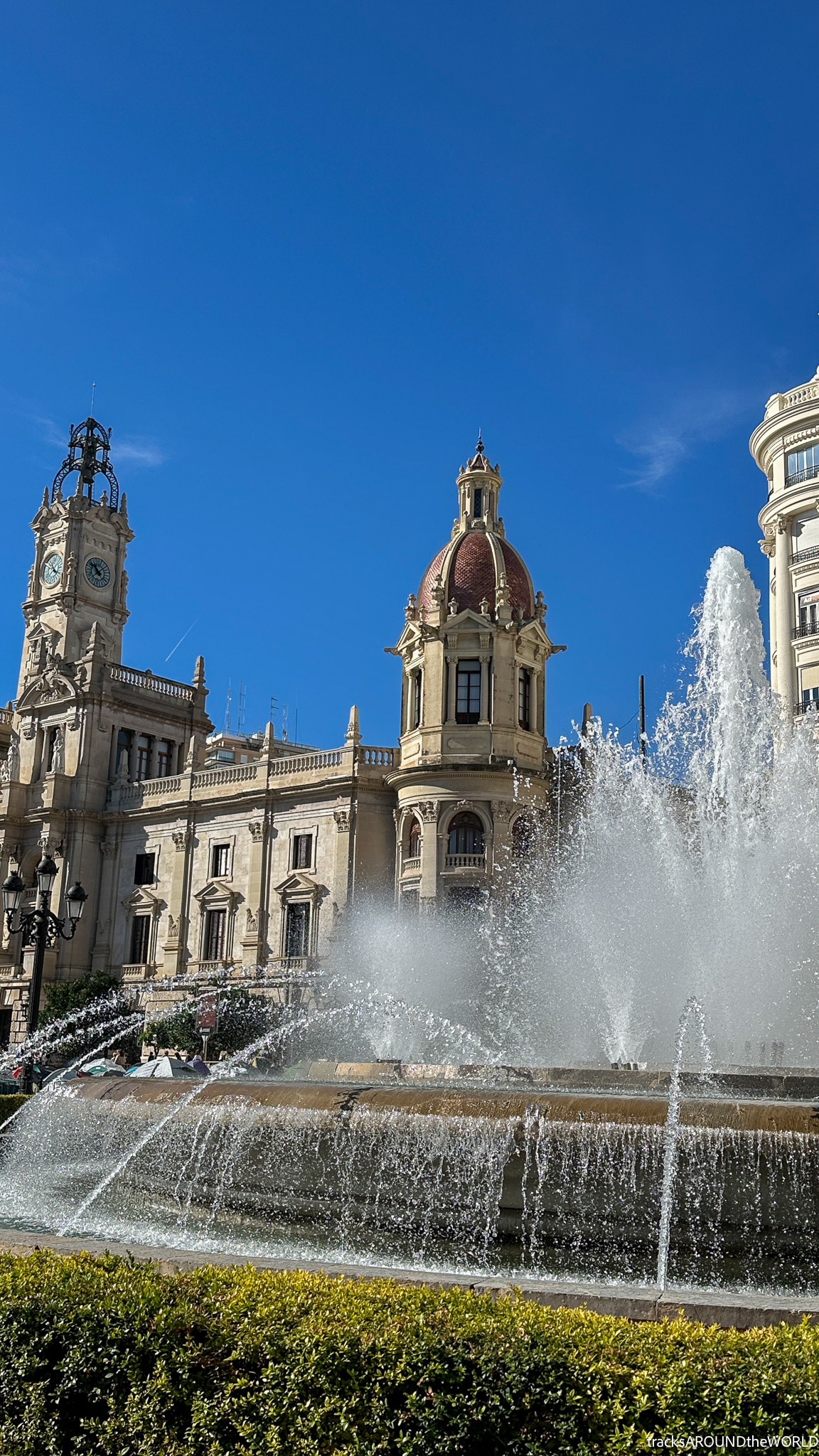
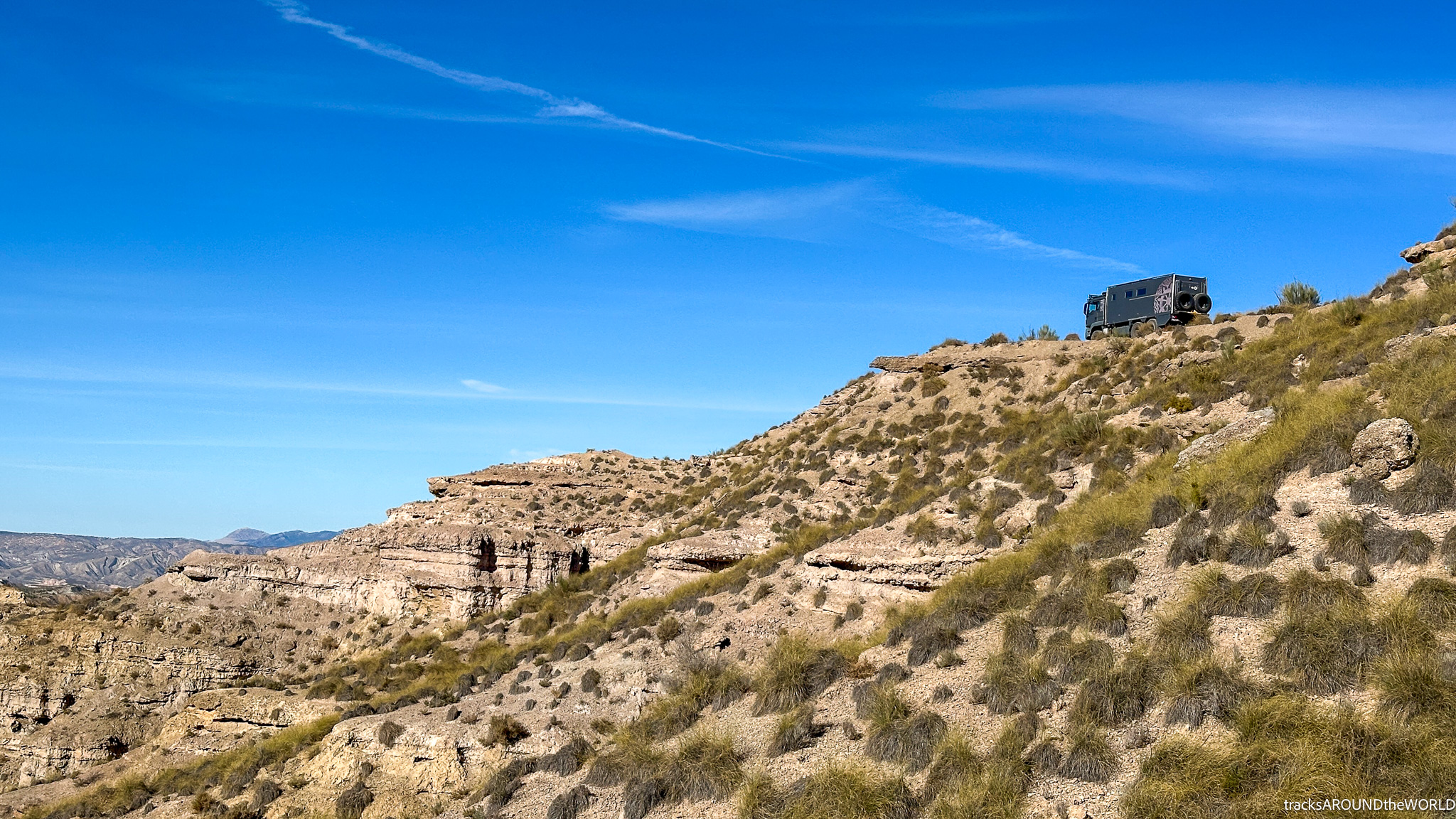
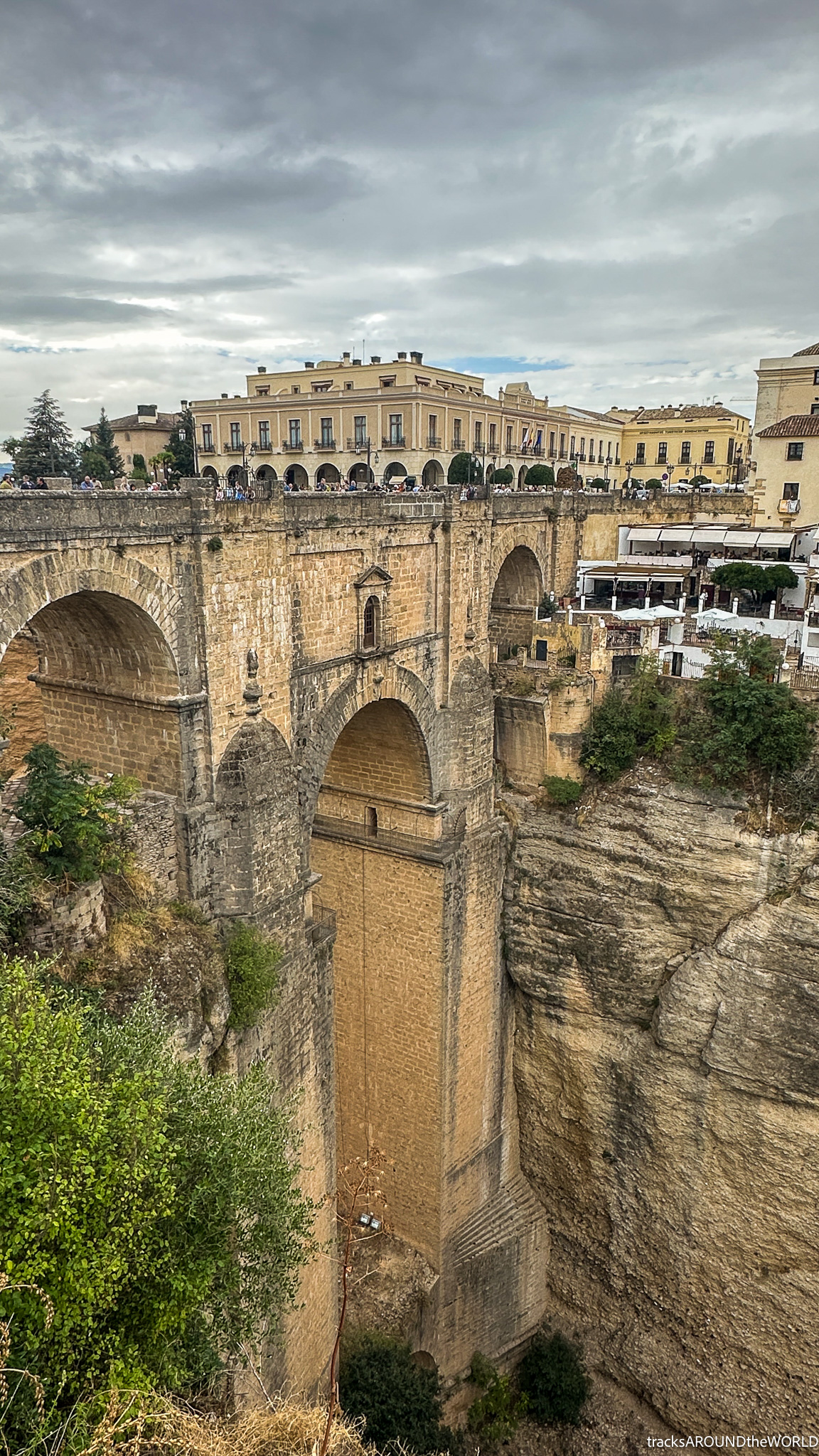
But now we’re on the road again! Valencia is a wonderful, very liveable city. The Gorafe Desert, with its bizarre sandstone formations, is well worth a stop on the way to Gibraltar and Algeciras, as is the town of Ronda in Andalusia, spectacularly perched high above a dramatic gorge. But Africa is calling!
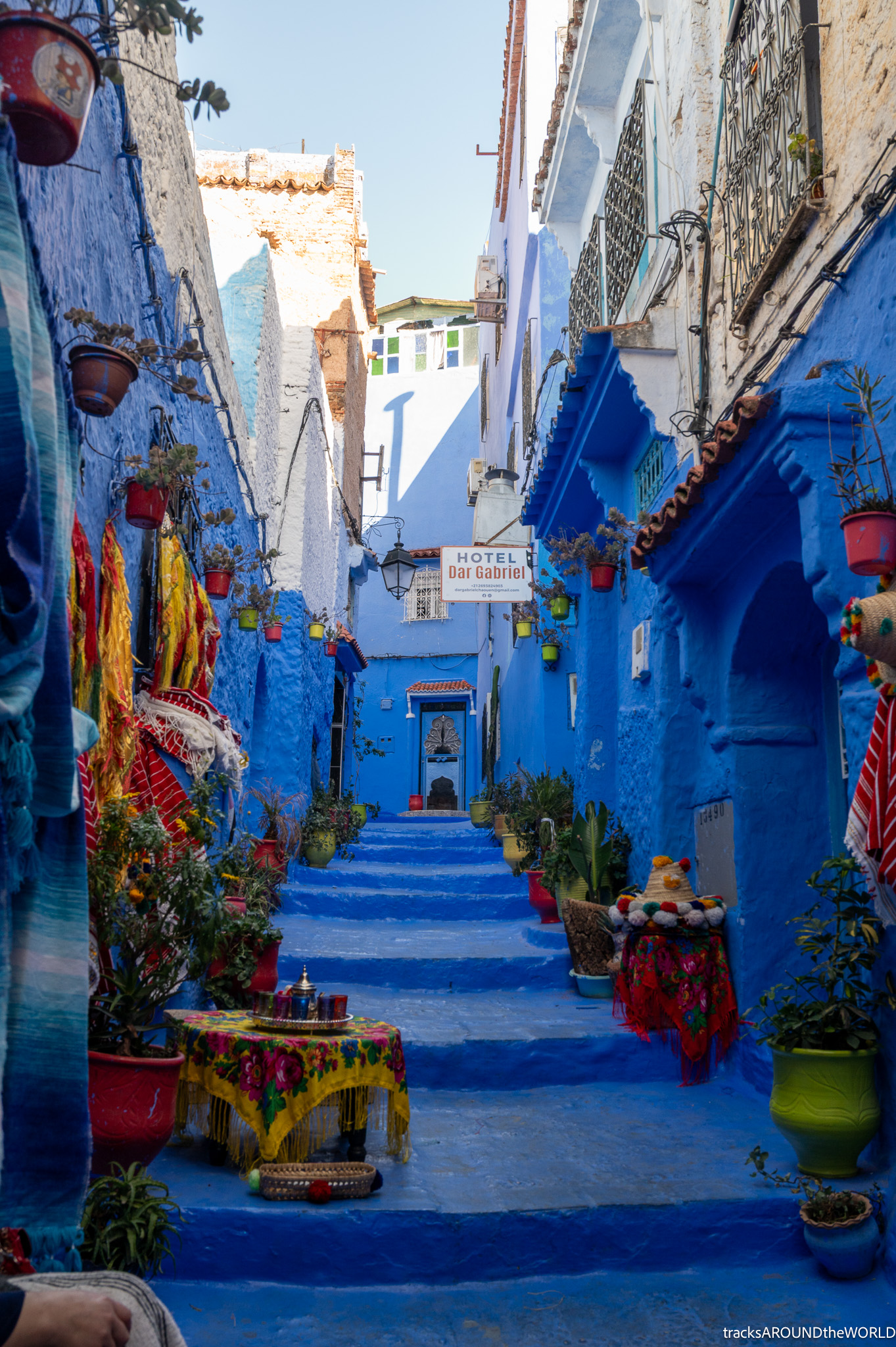
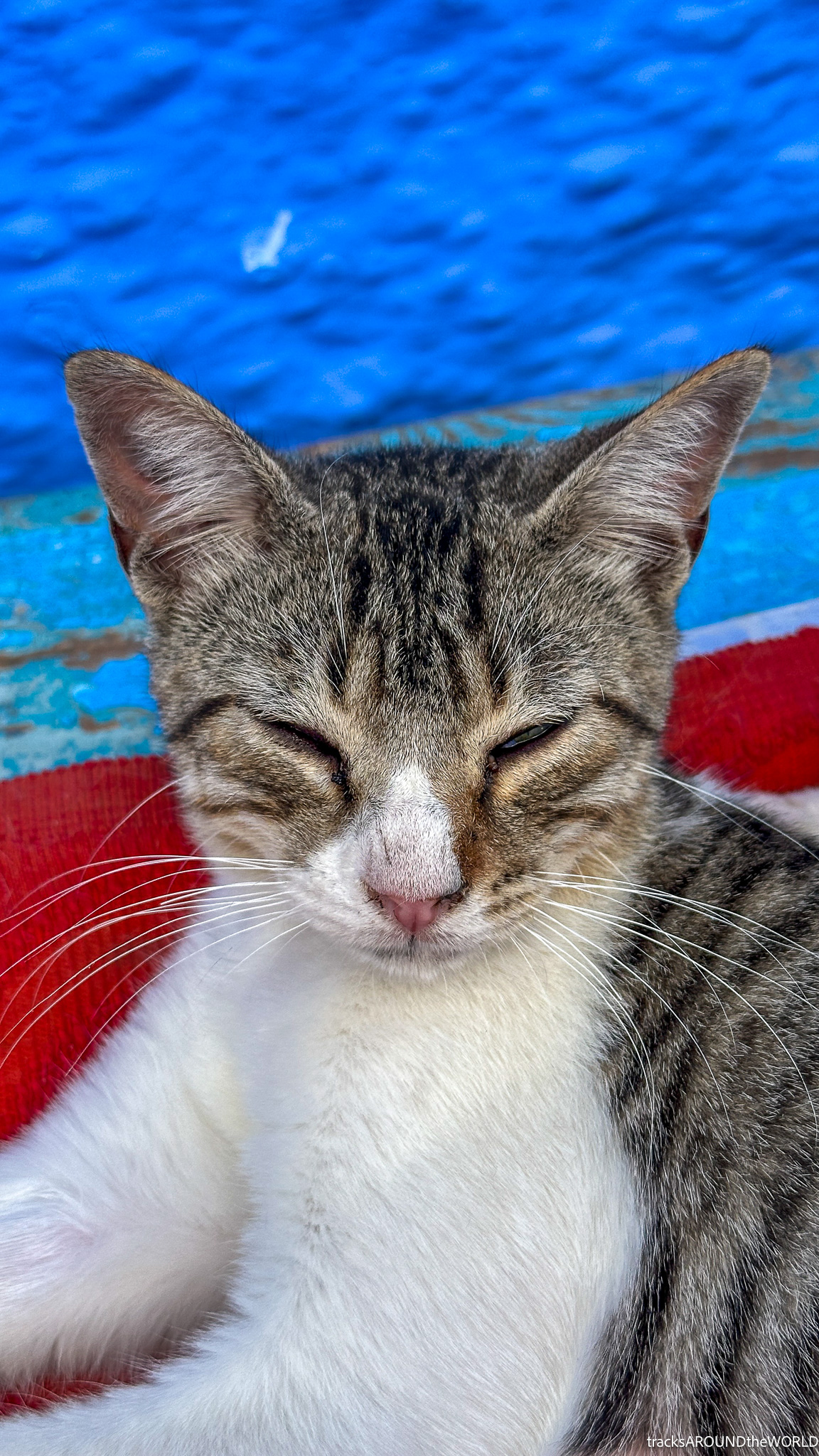
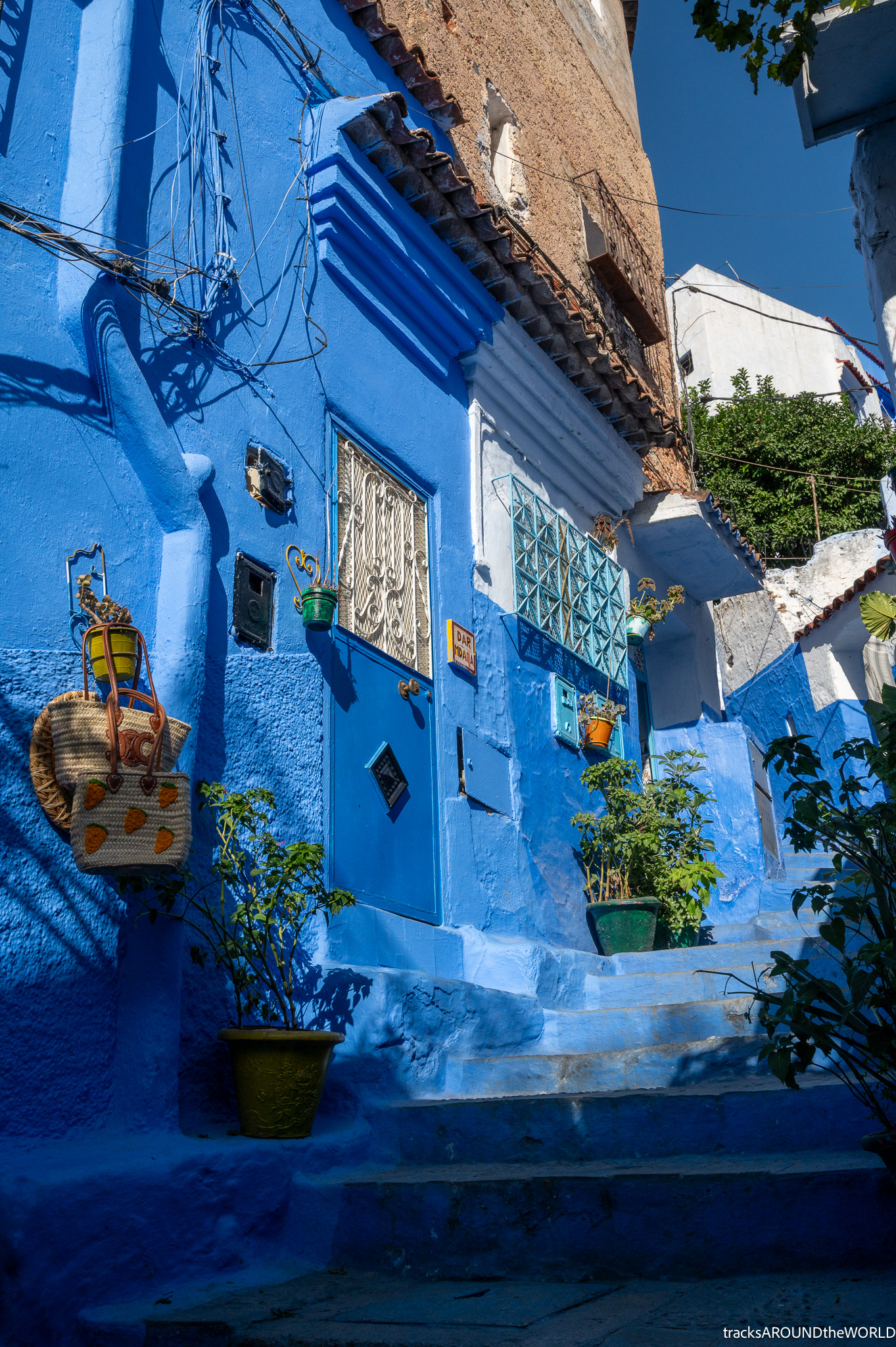
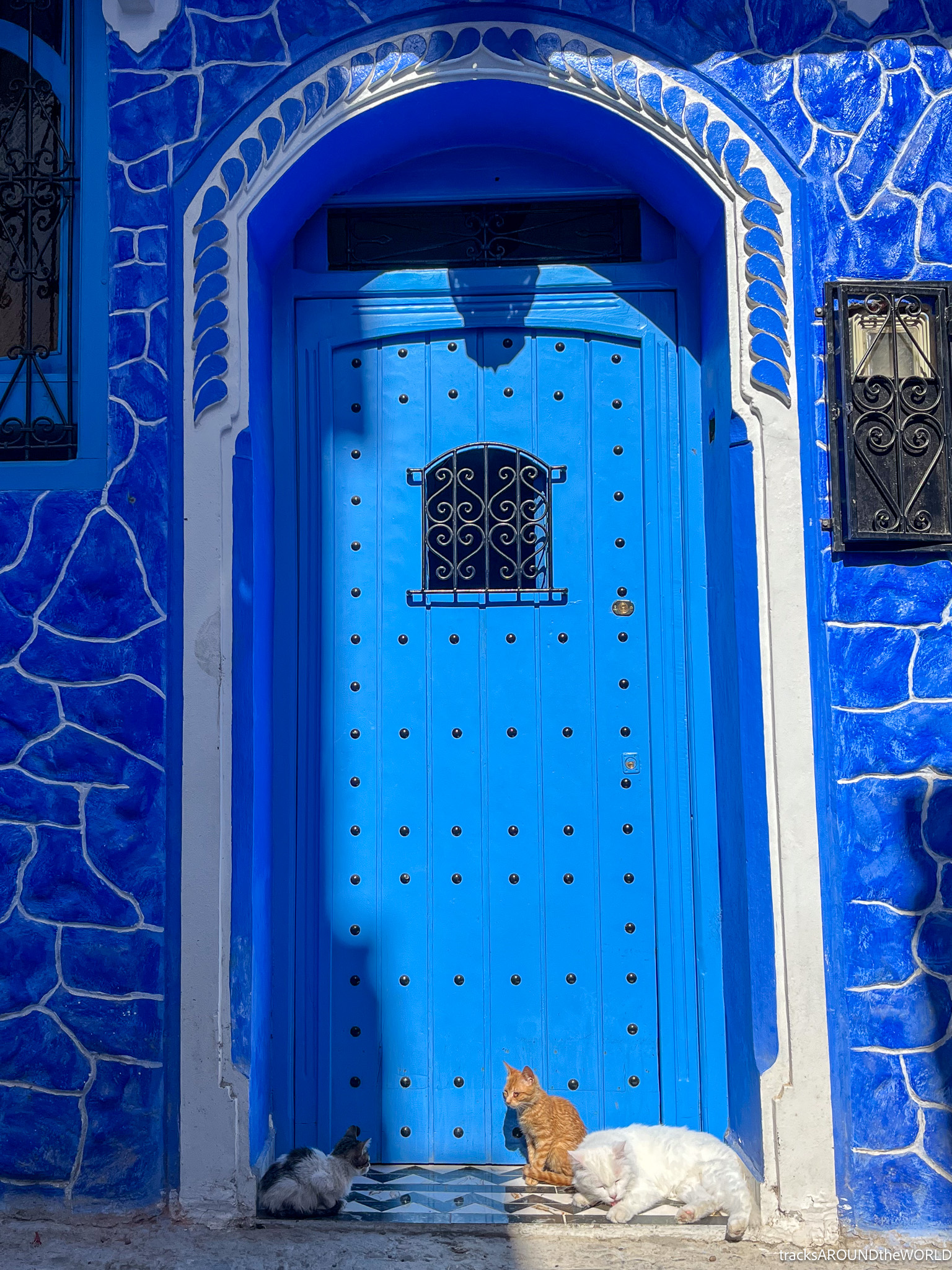
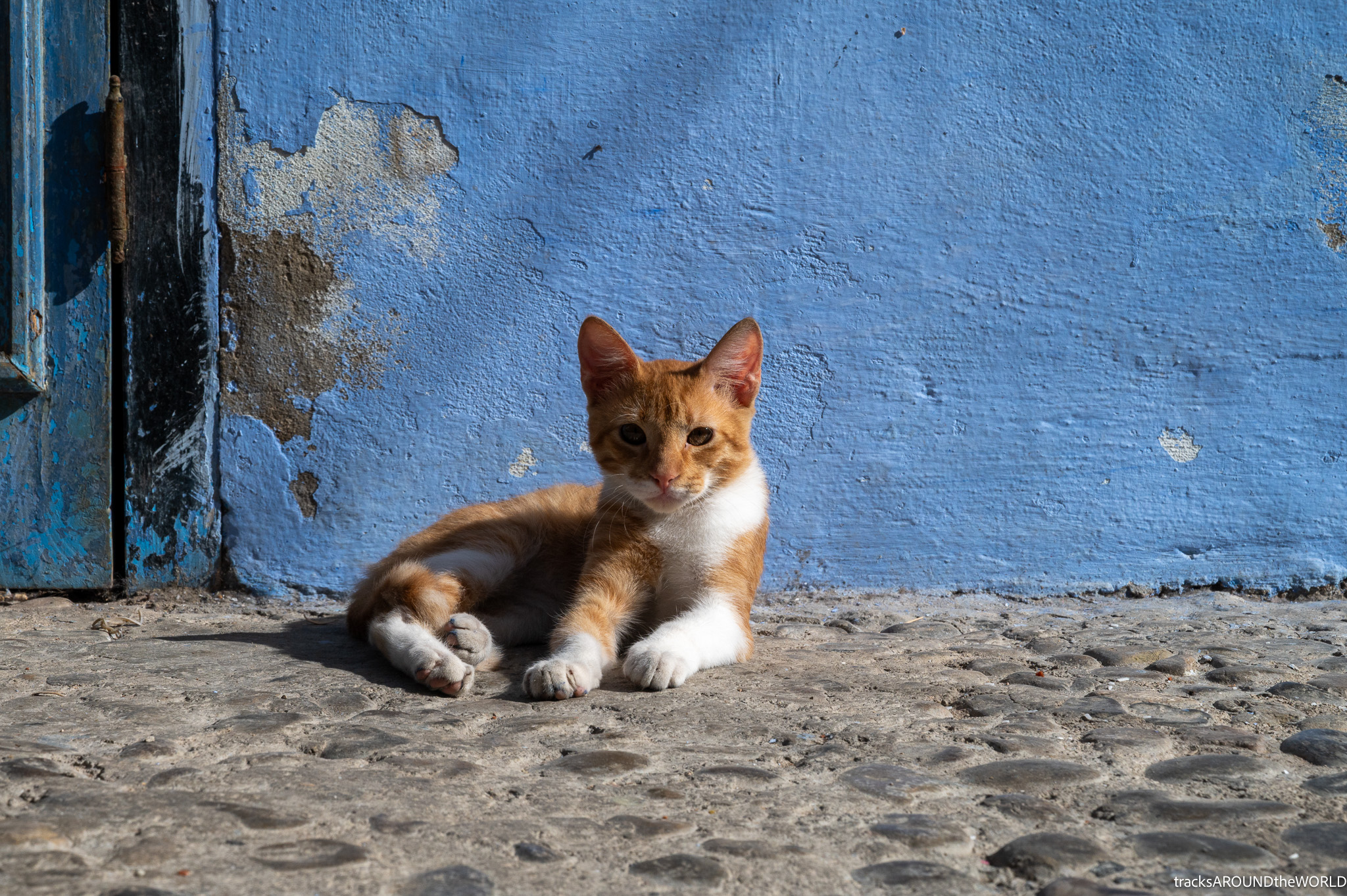
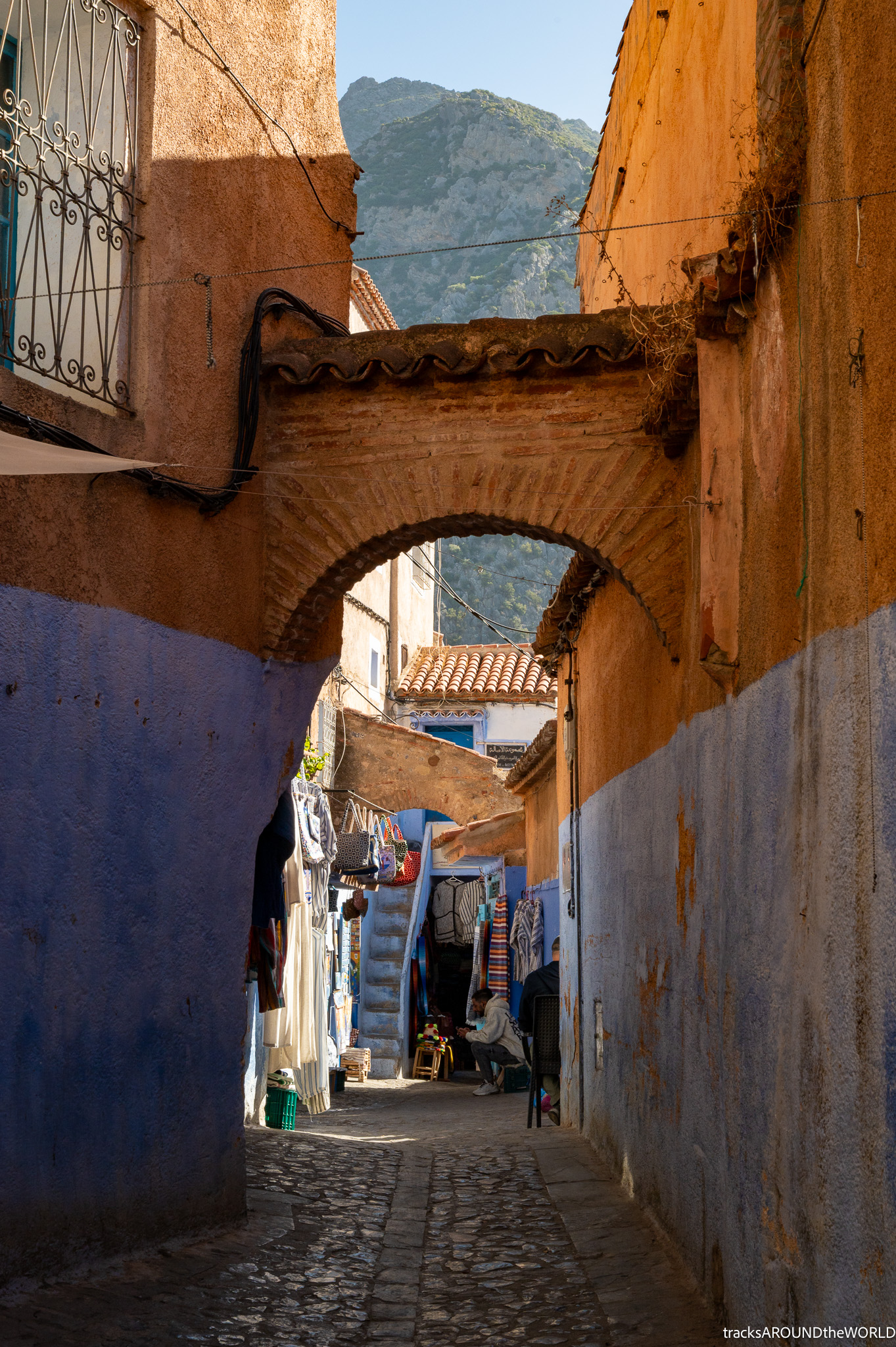
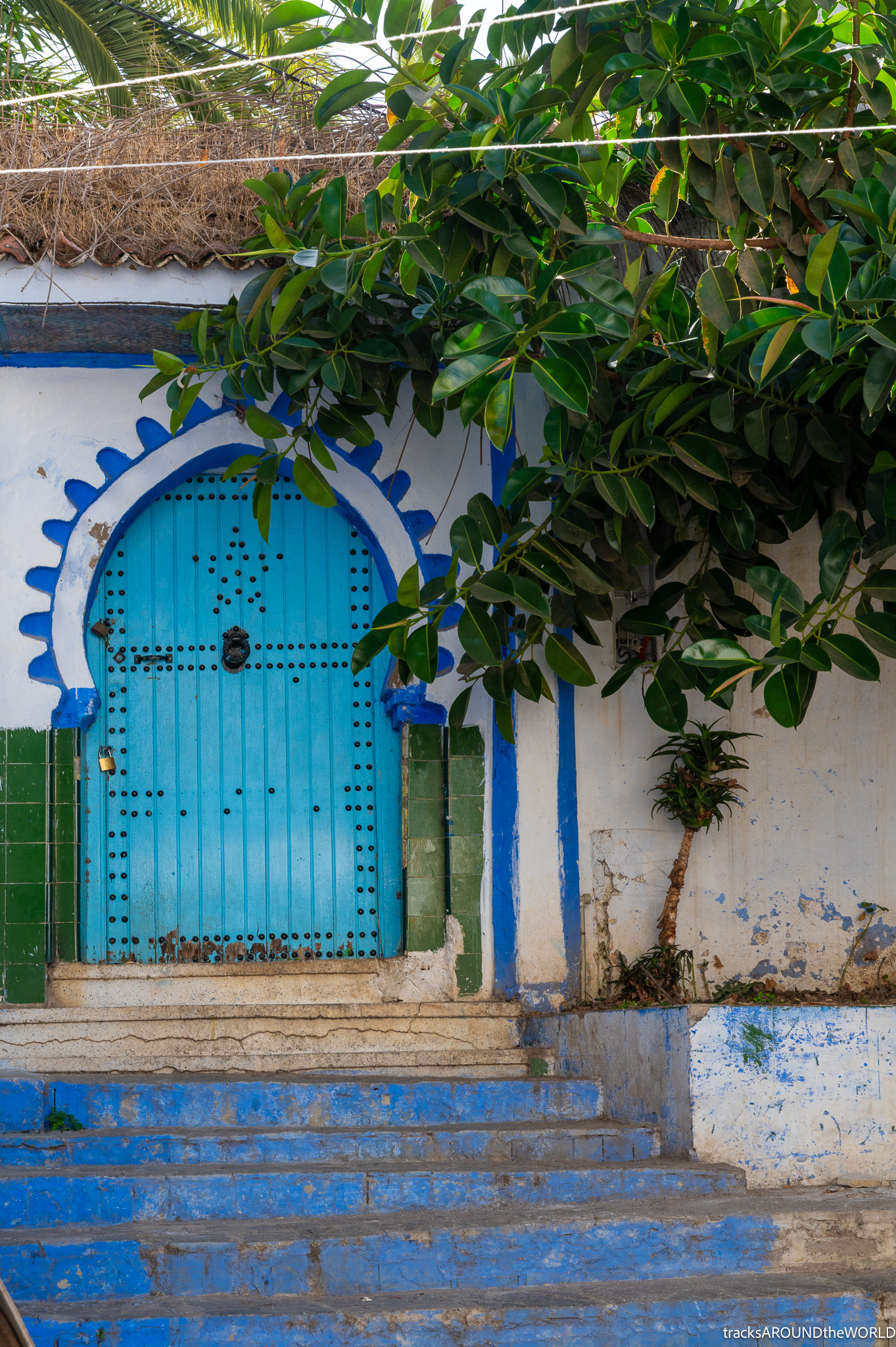
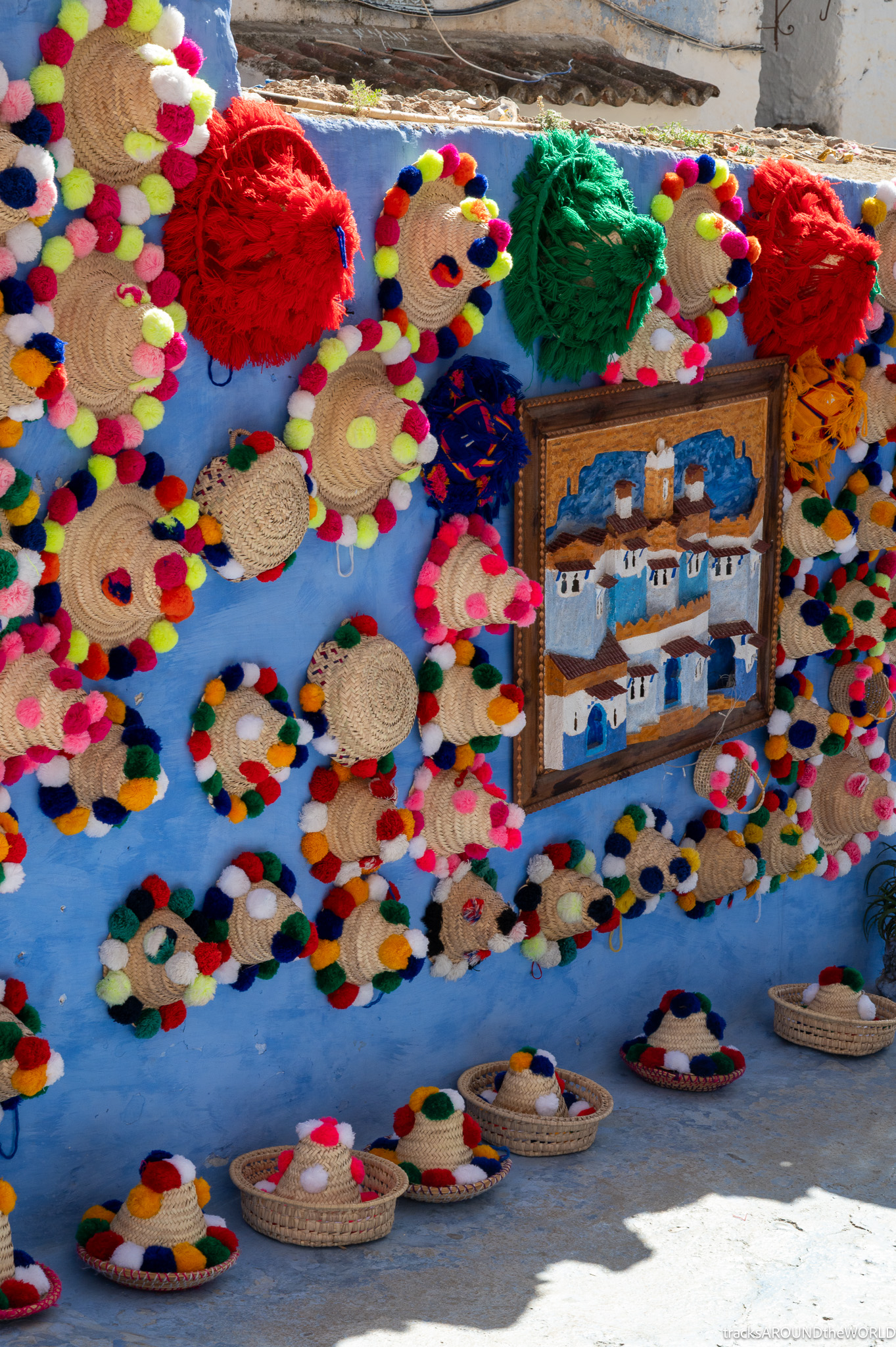
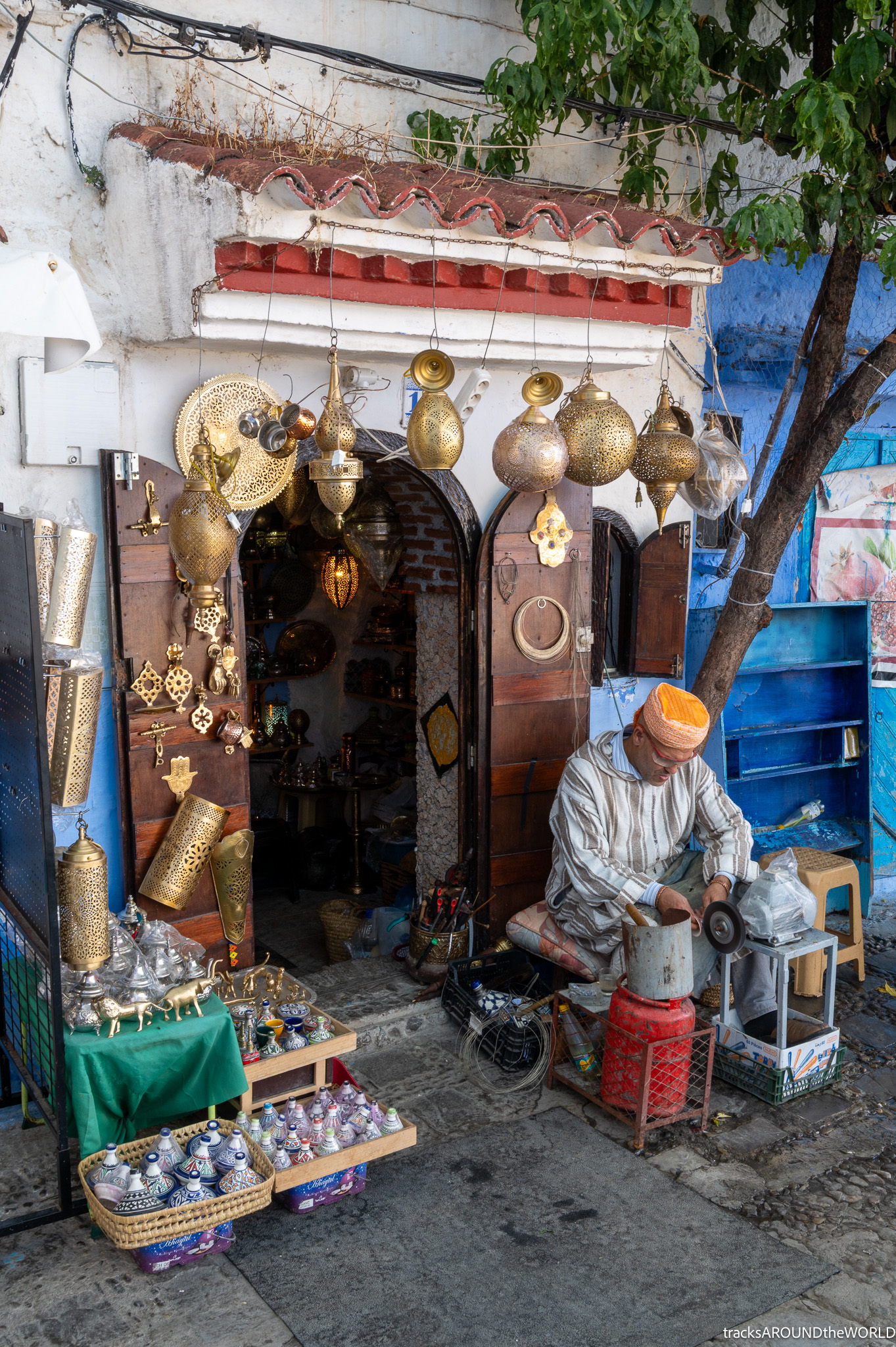
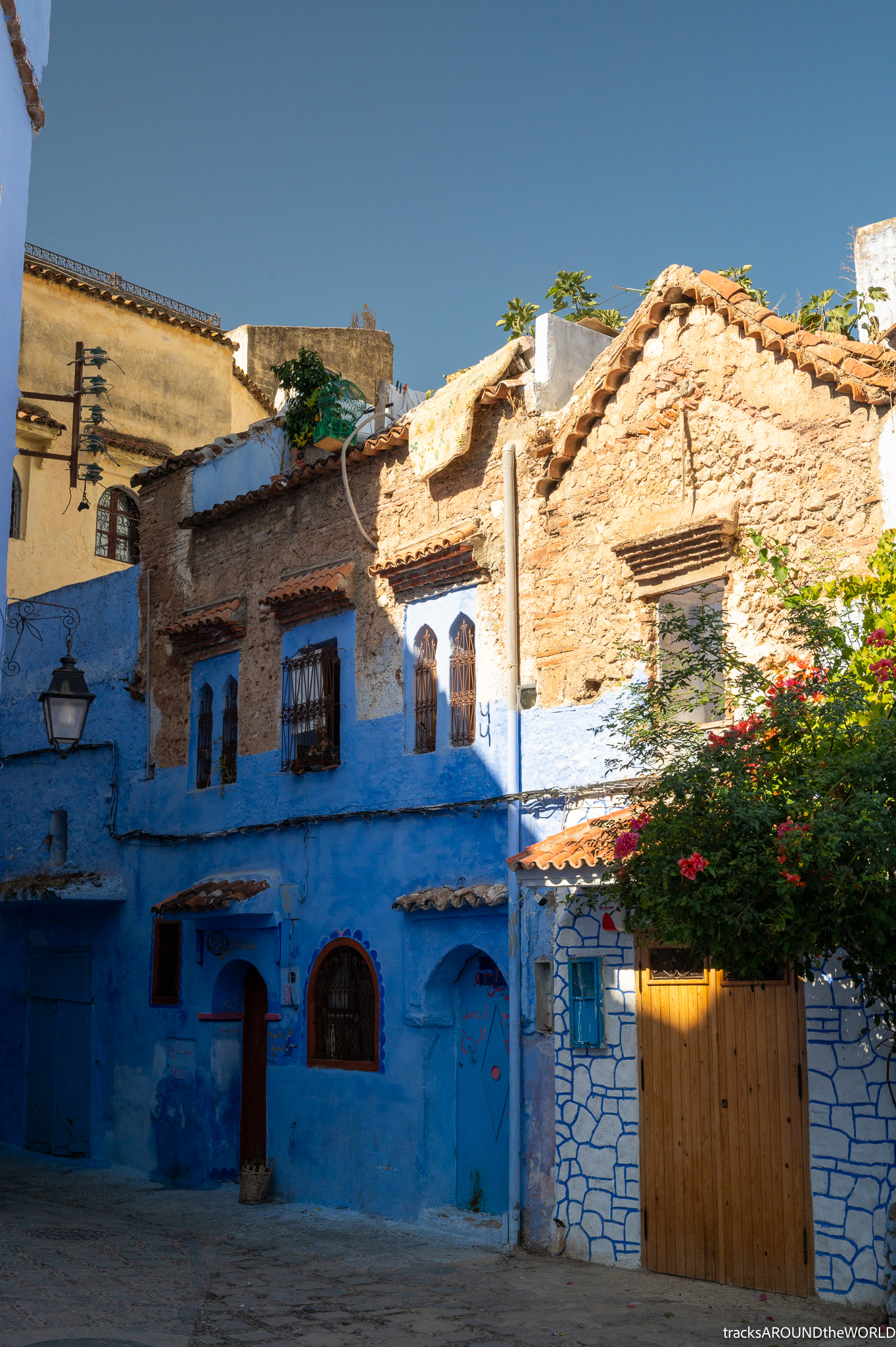
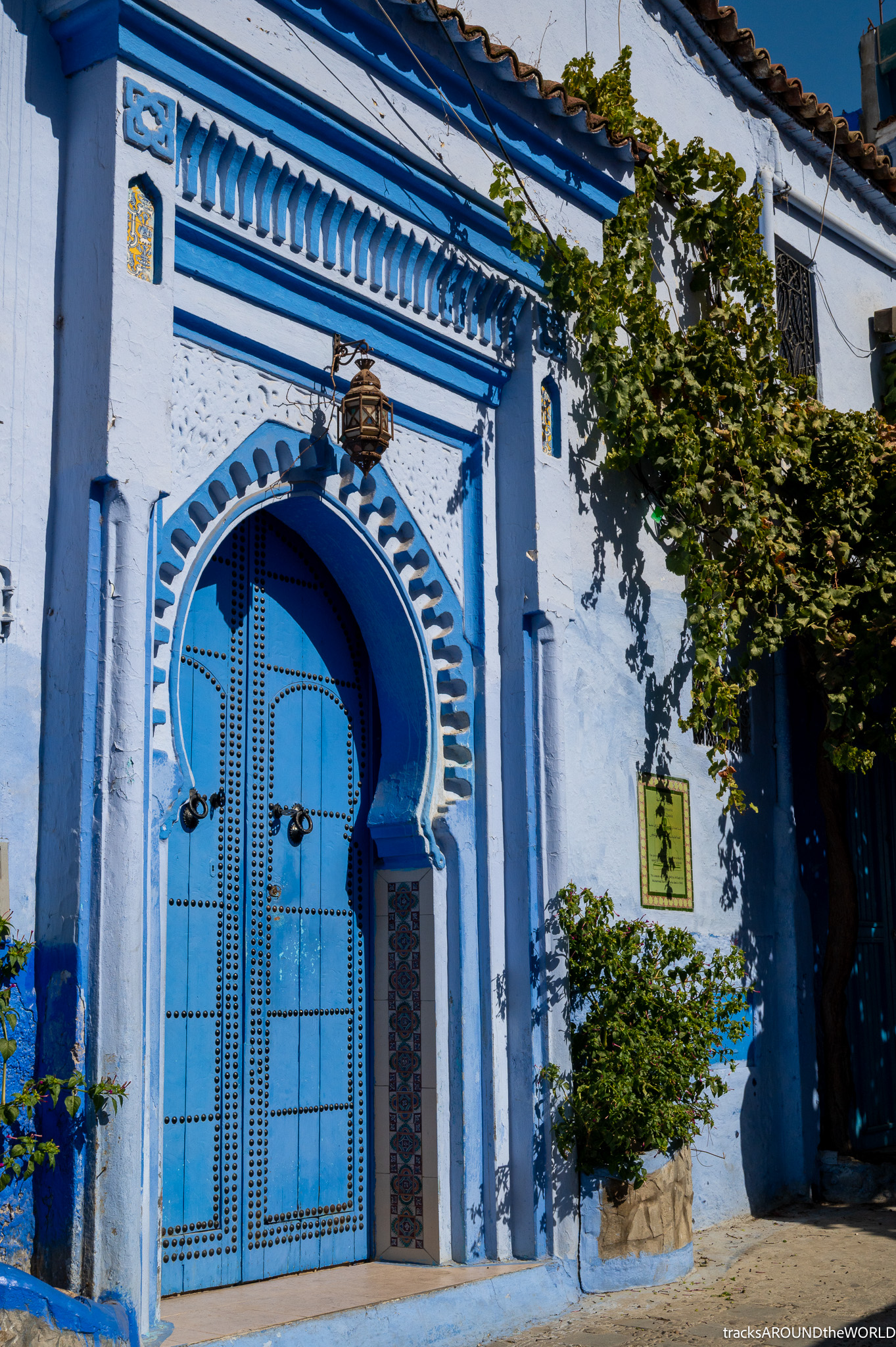
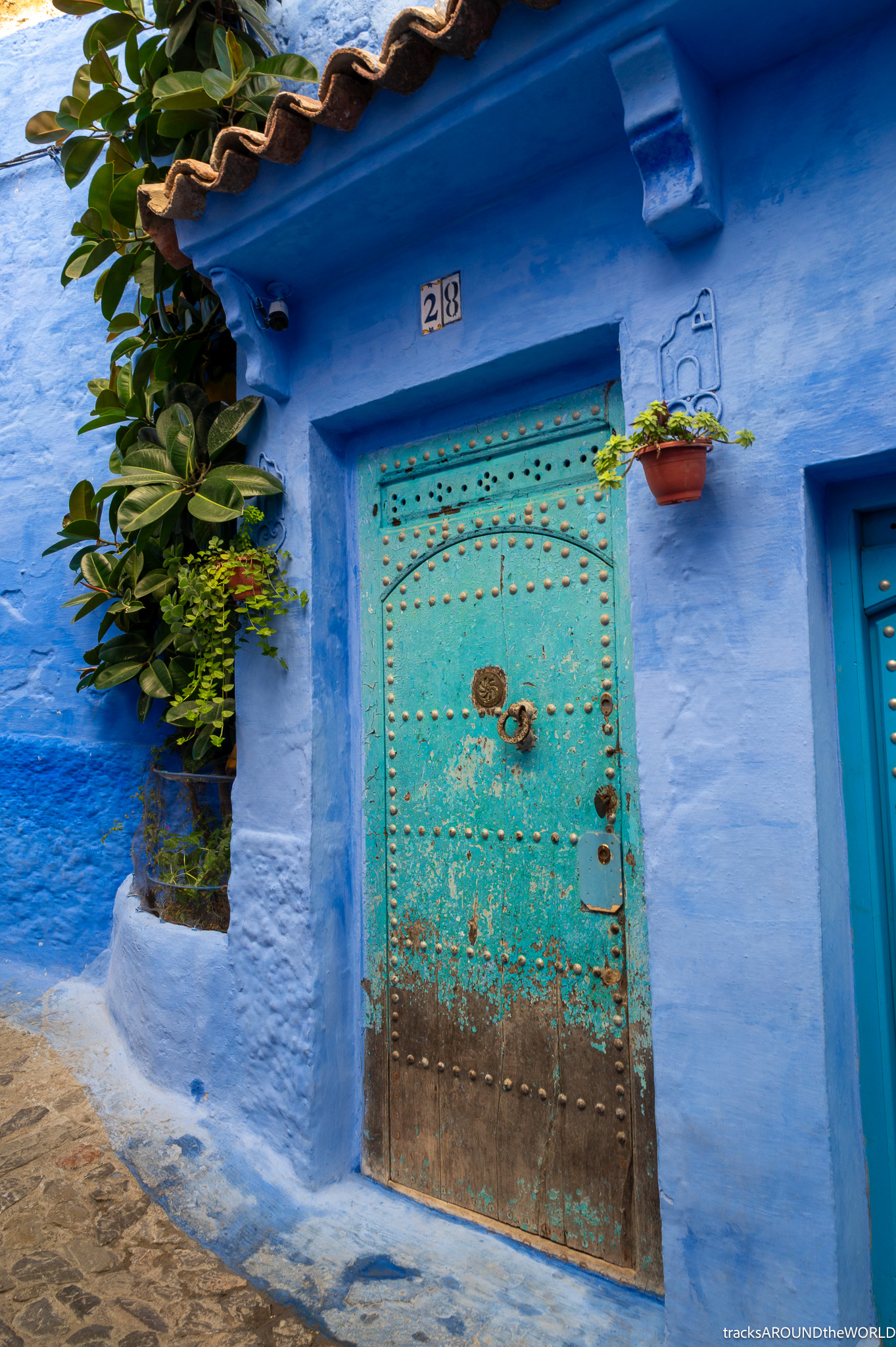
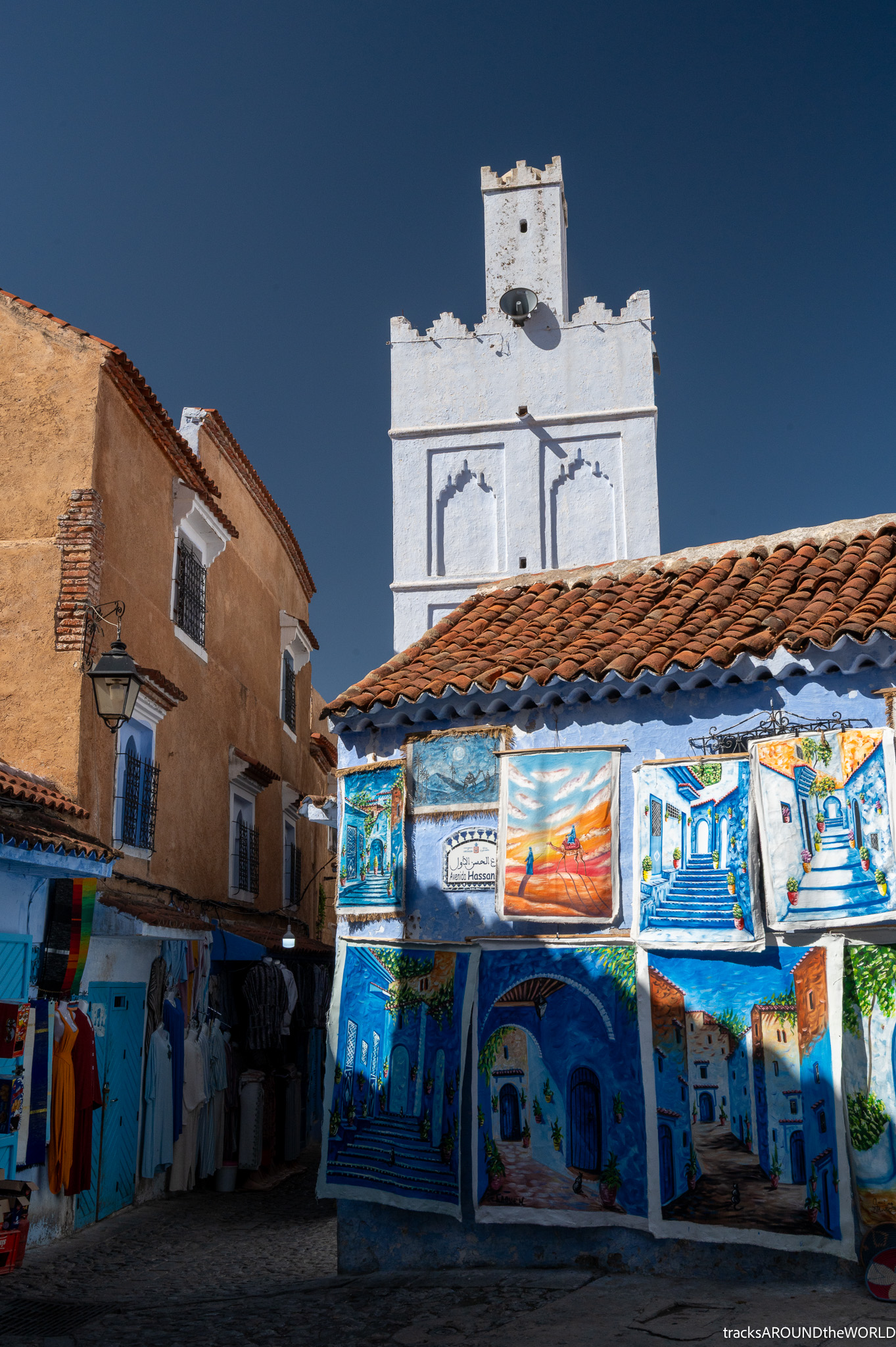
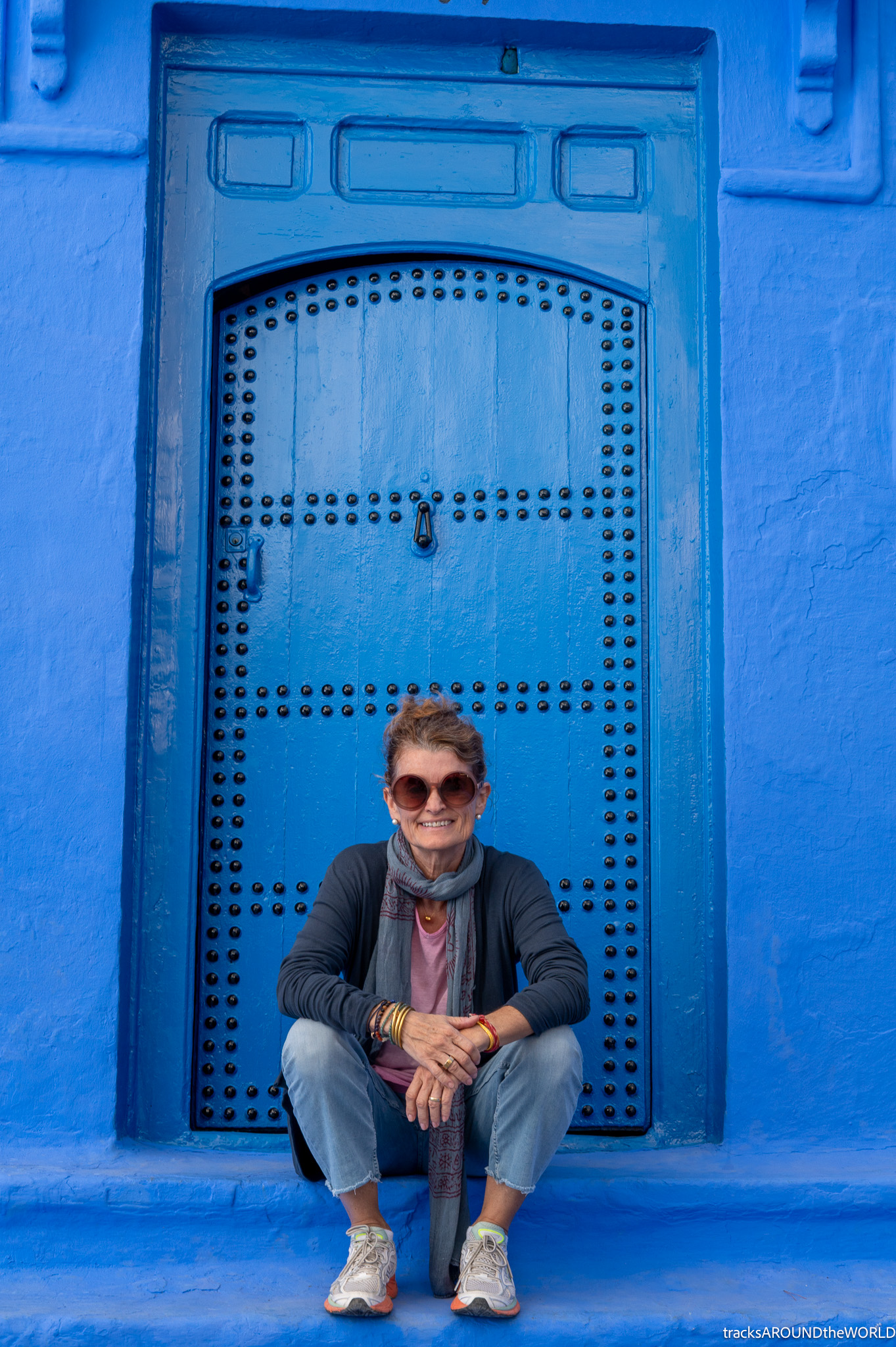
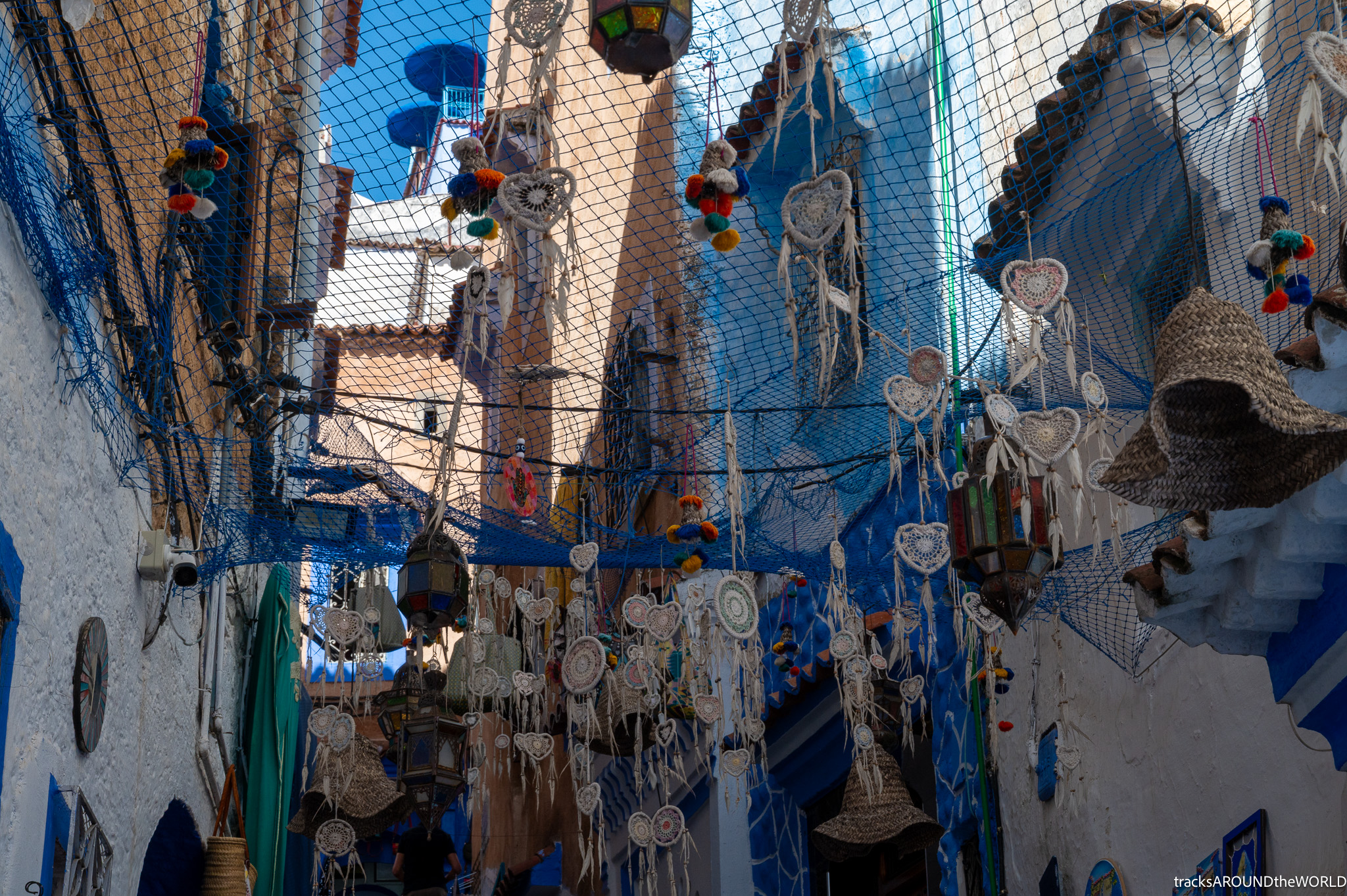
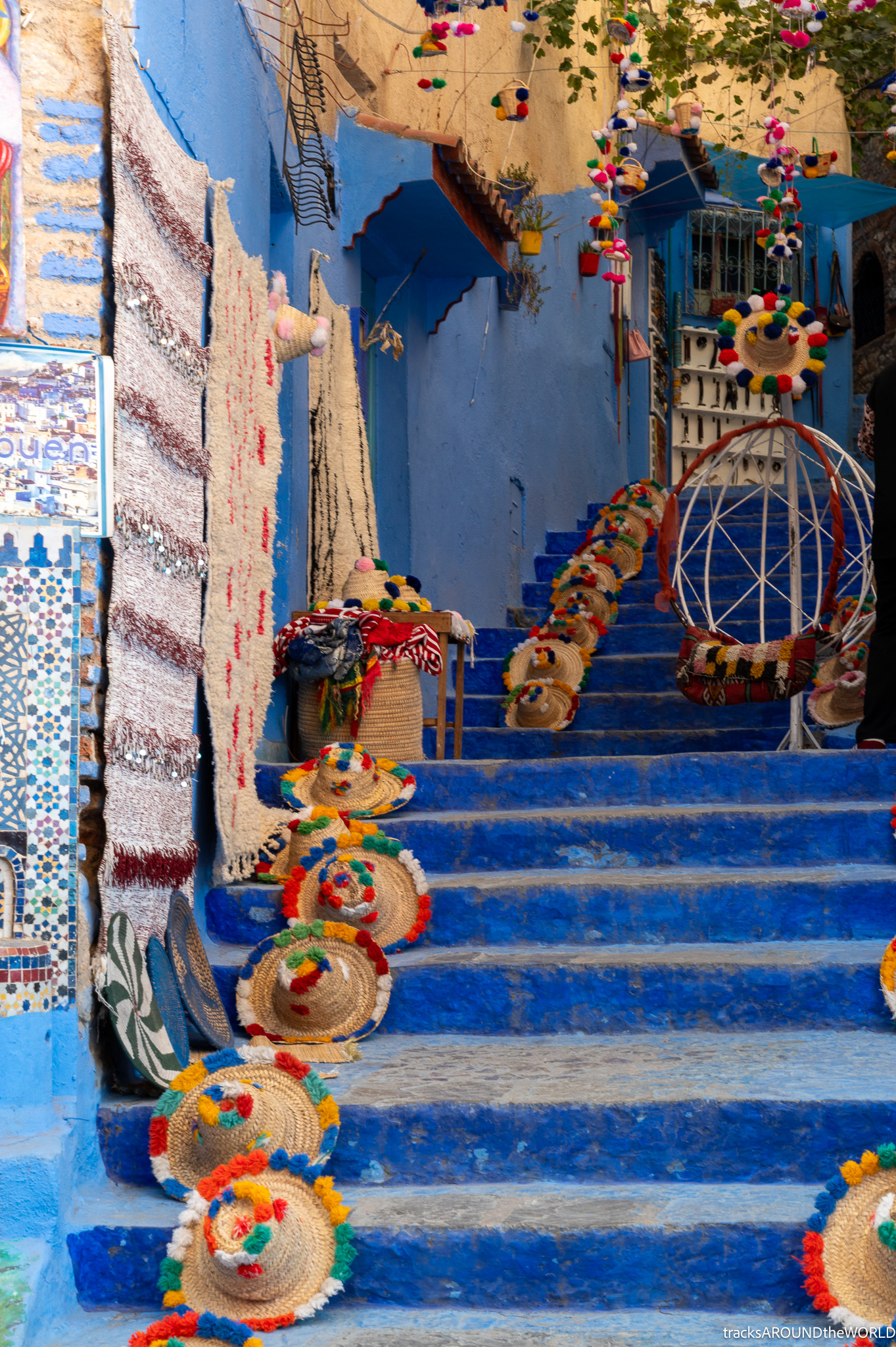
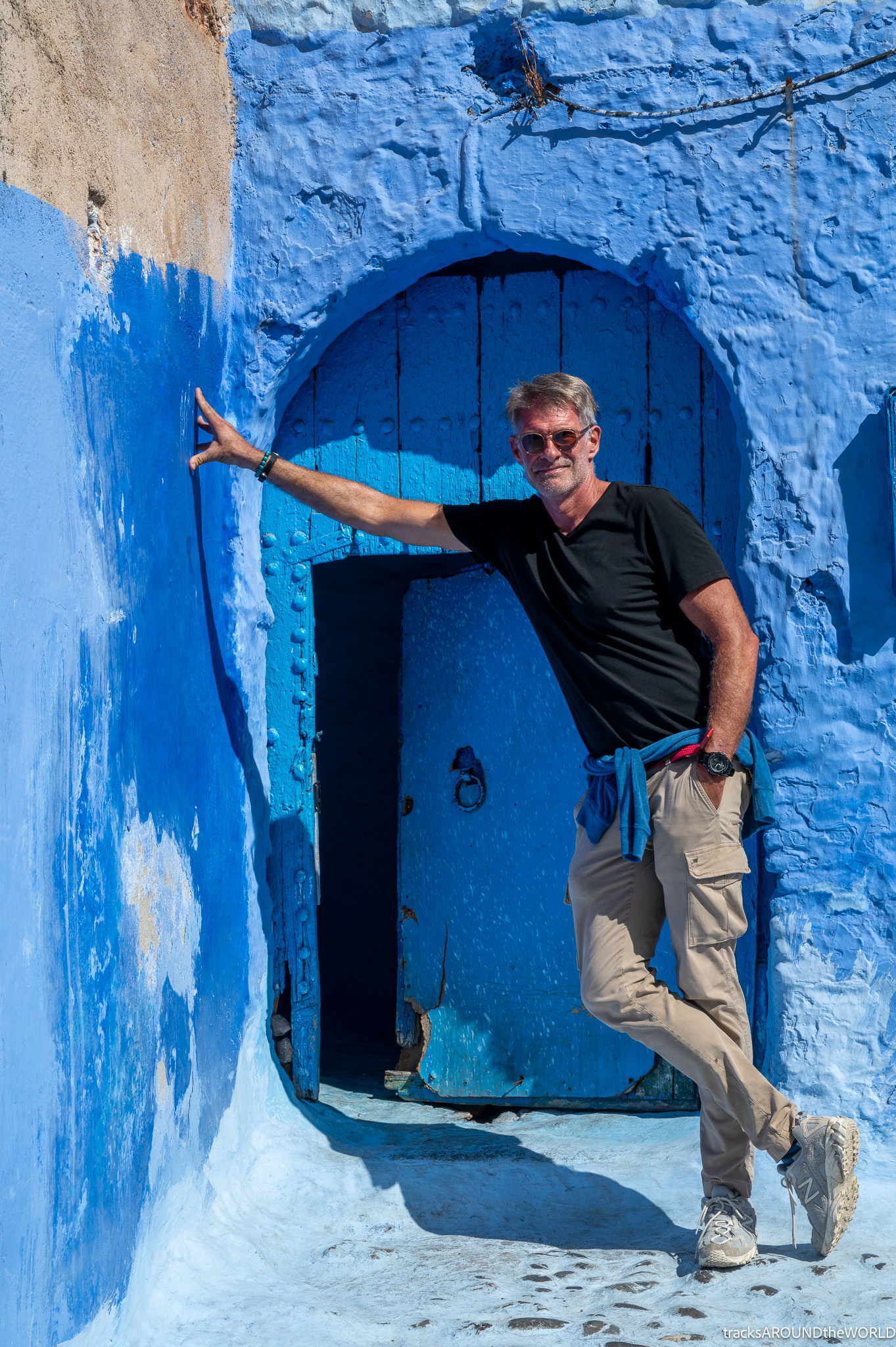
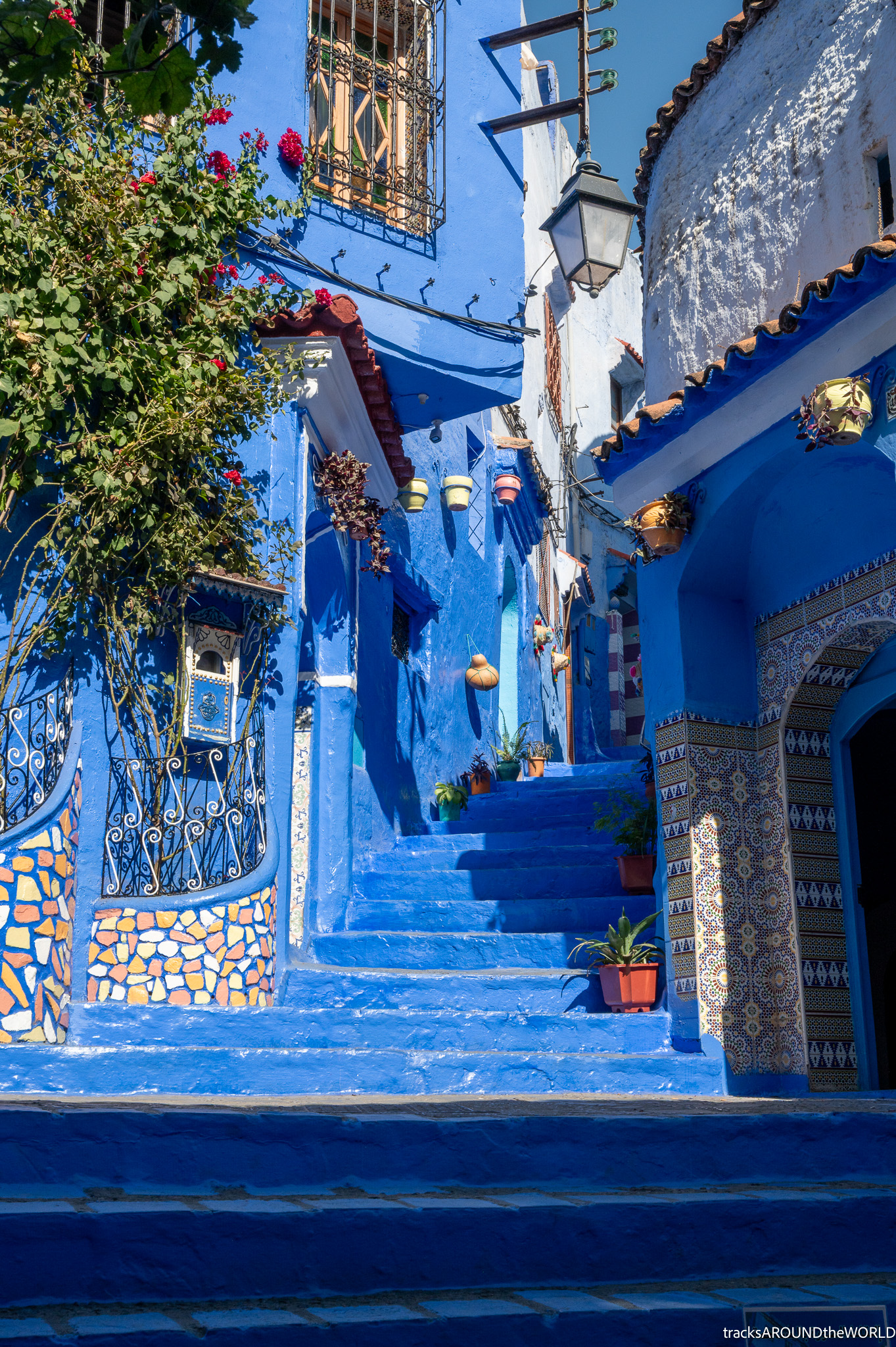
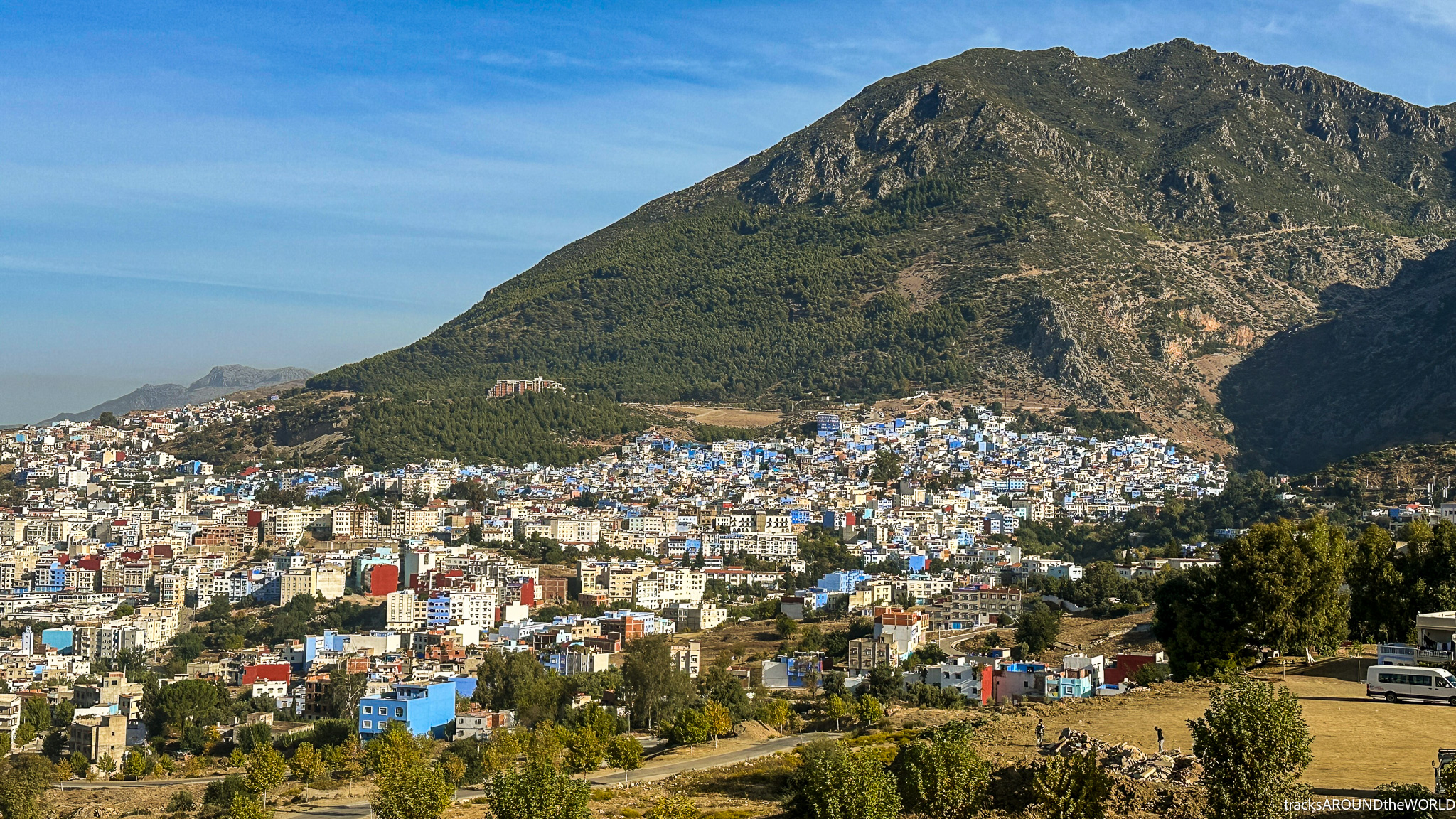
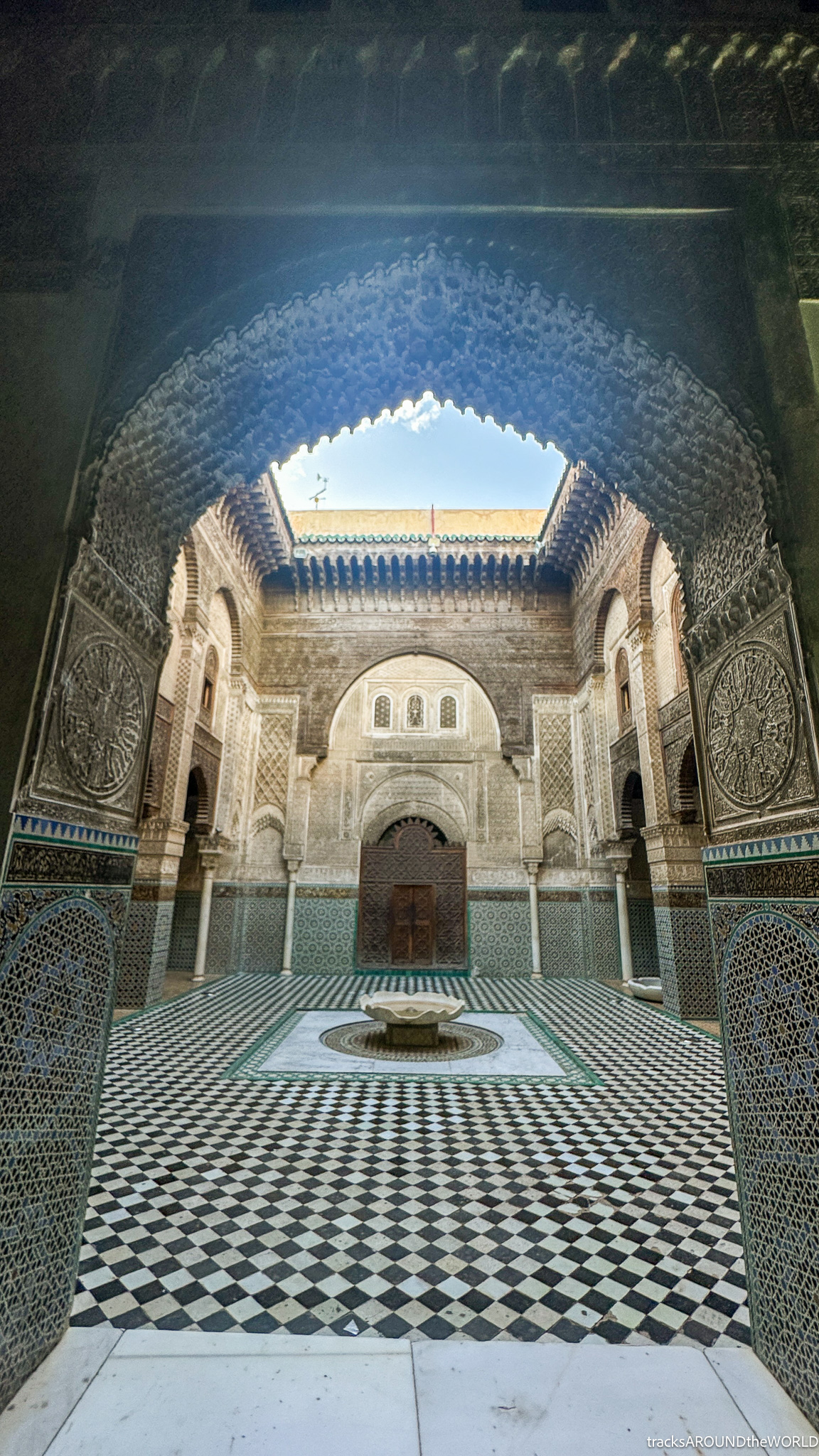
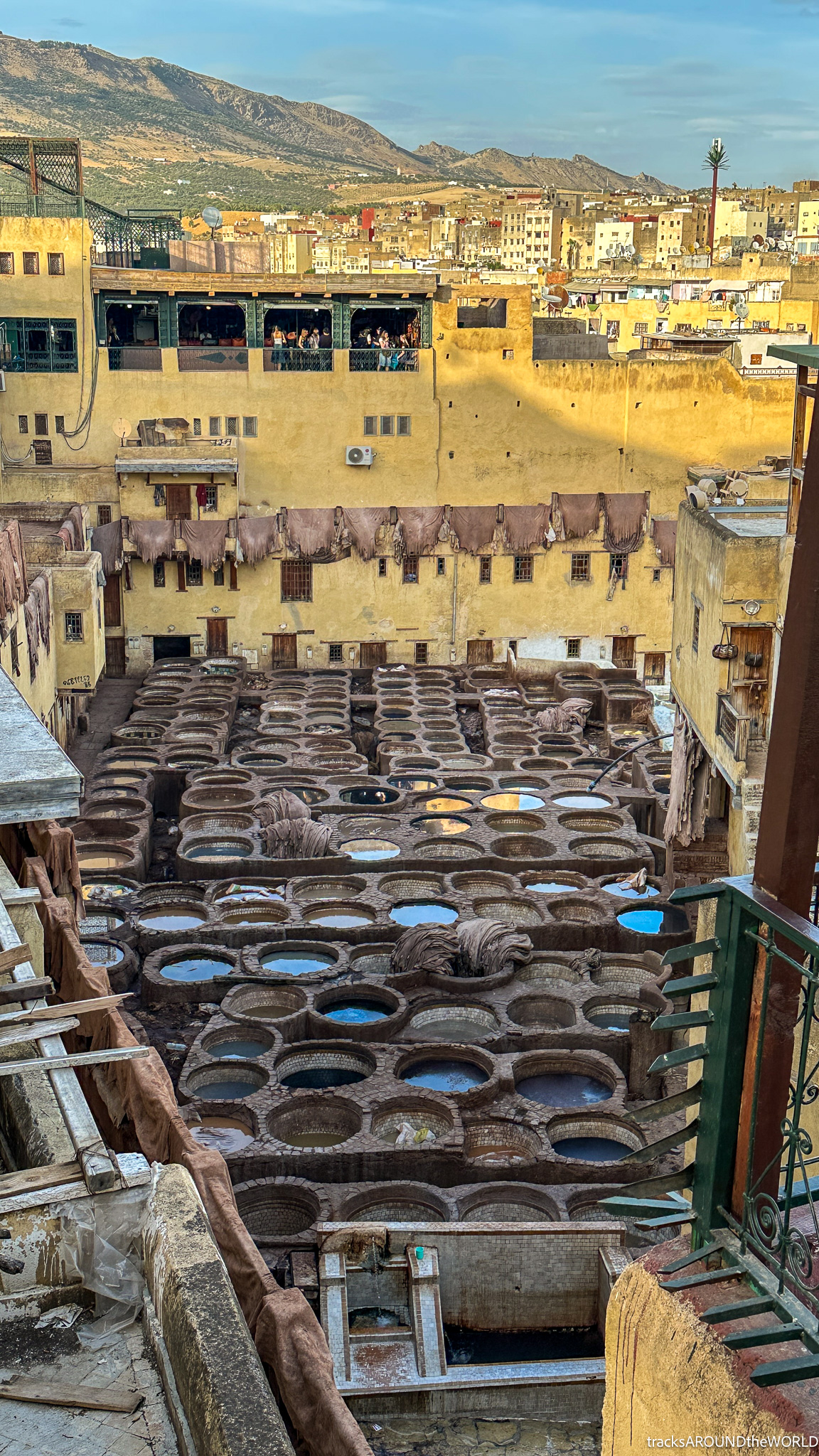
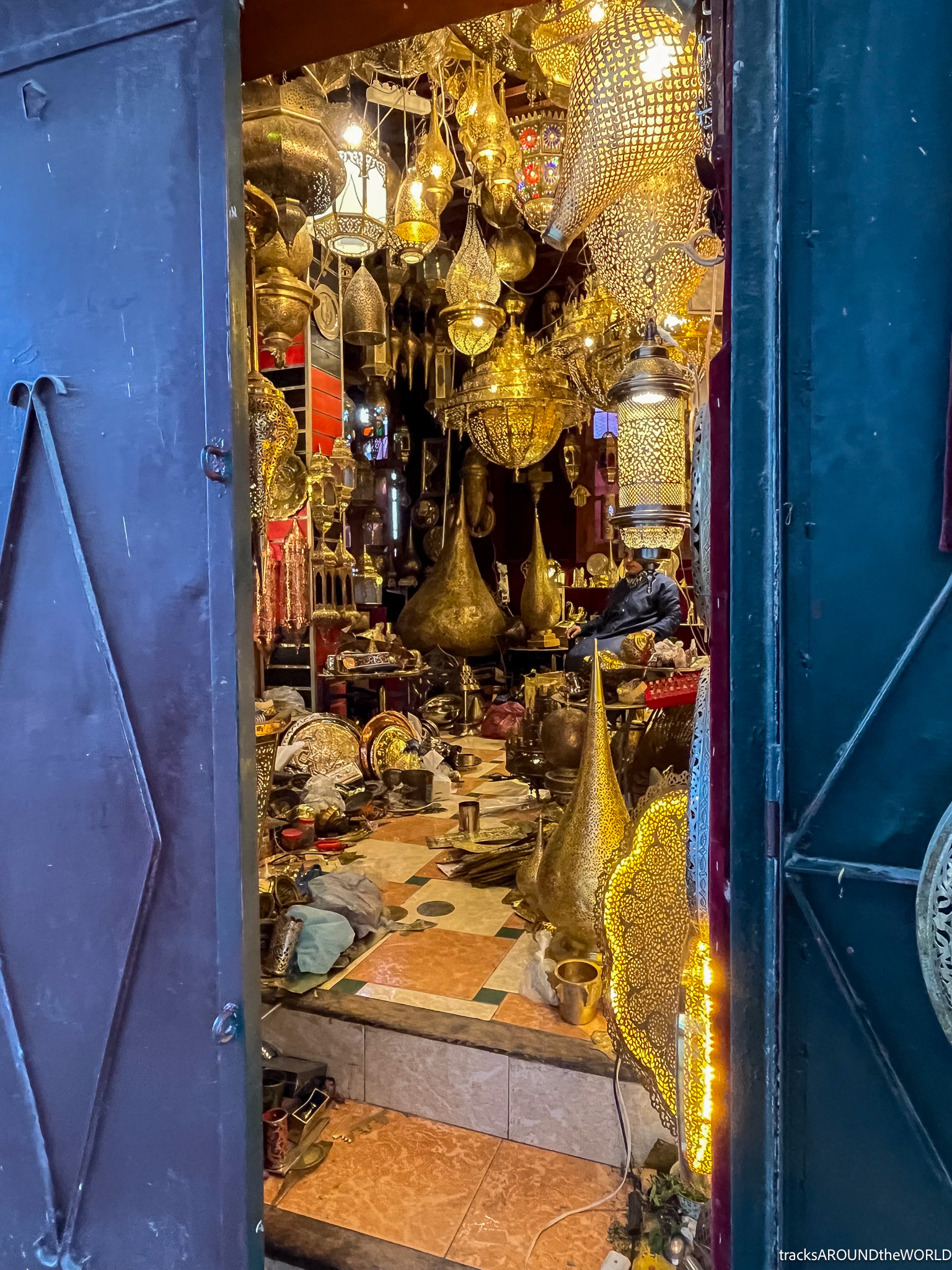
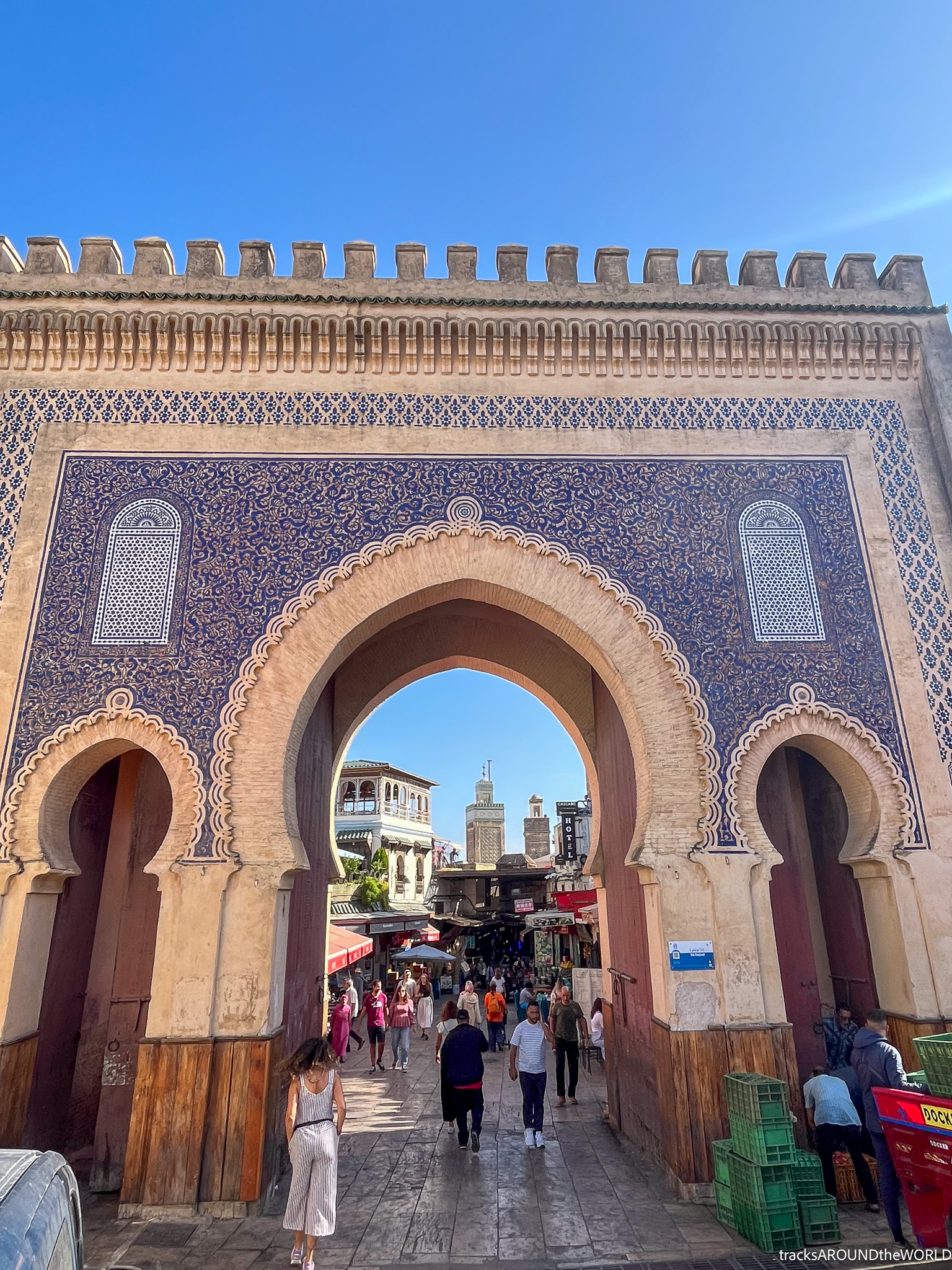
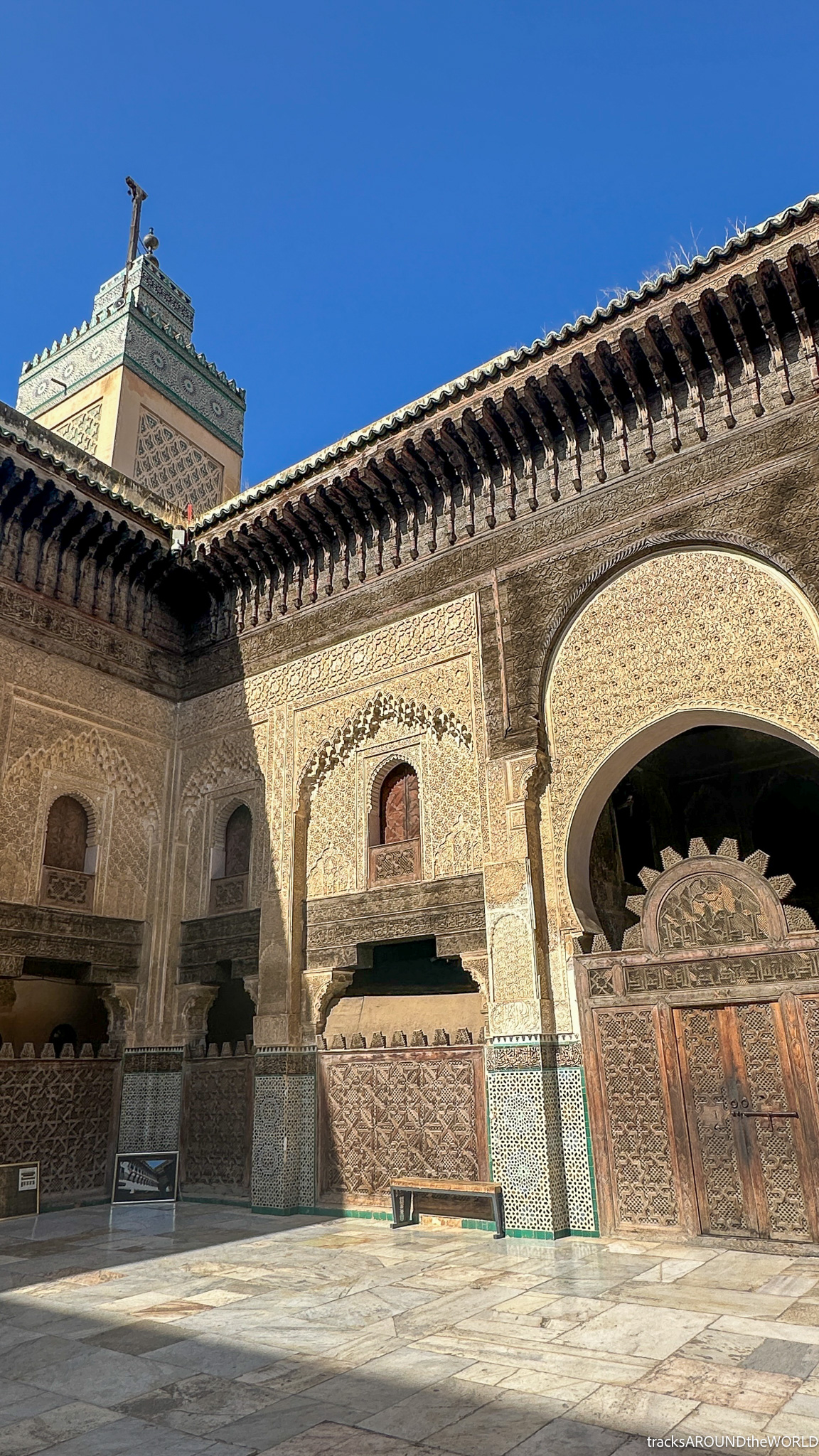
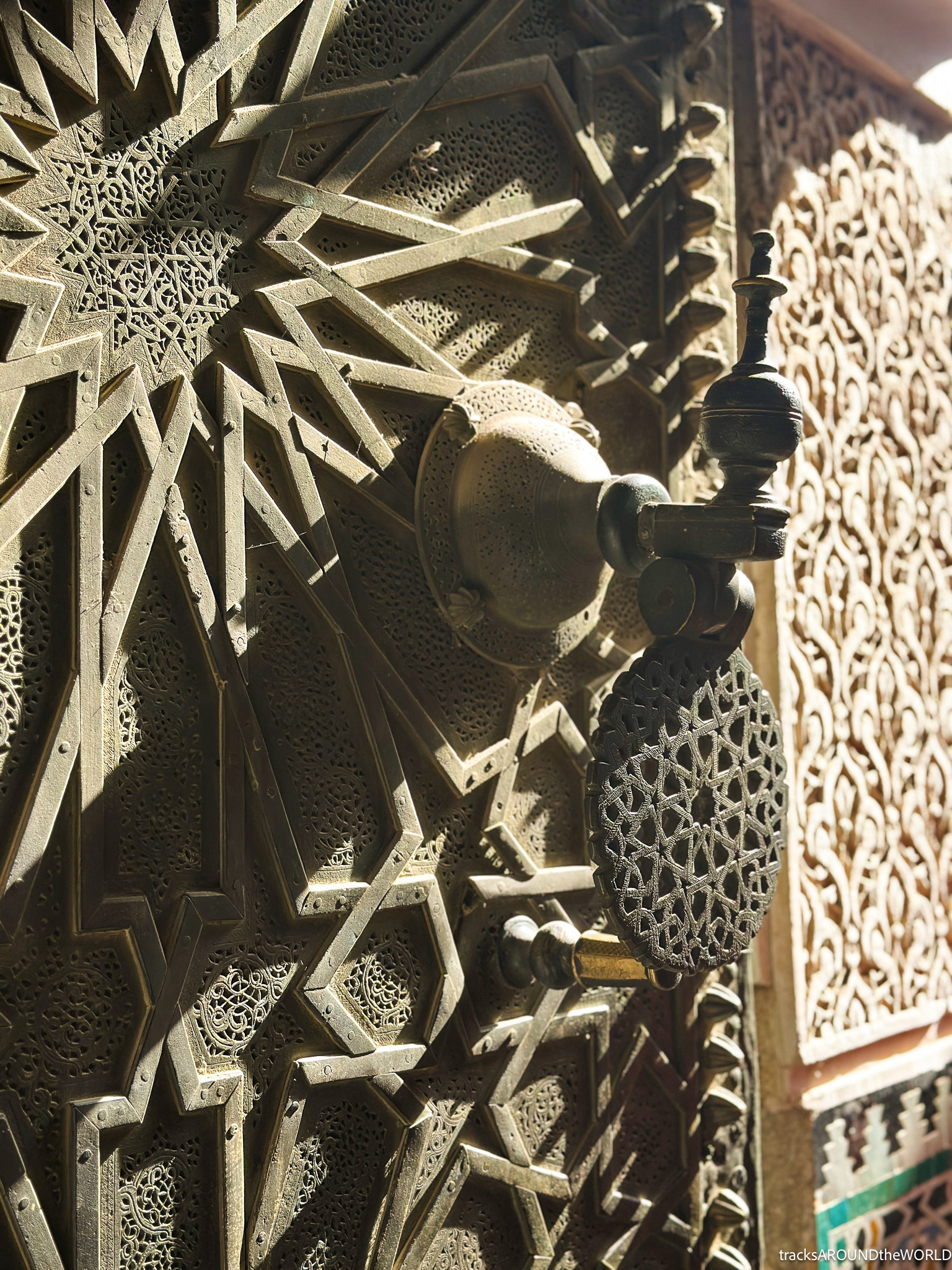
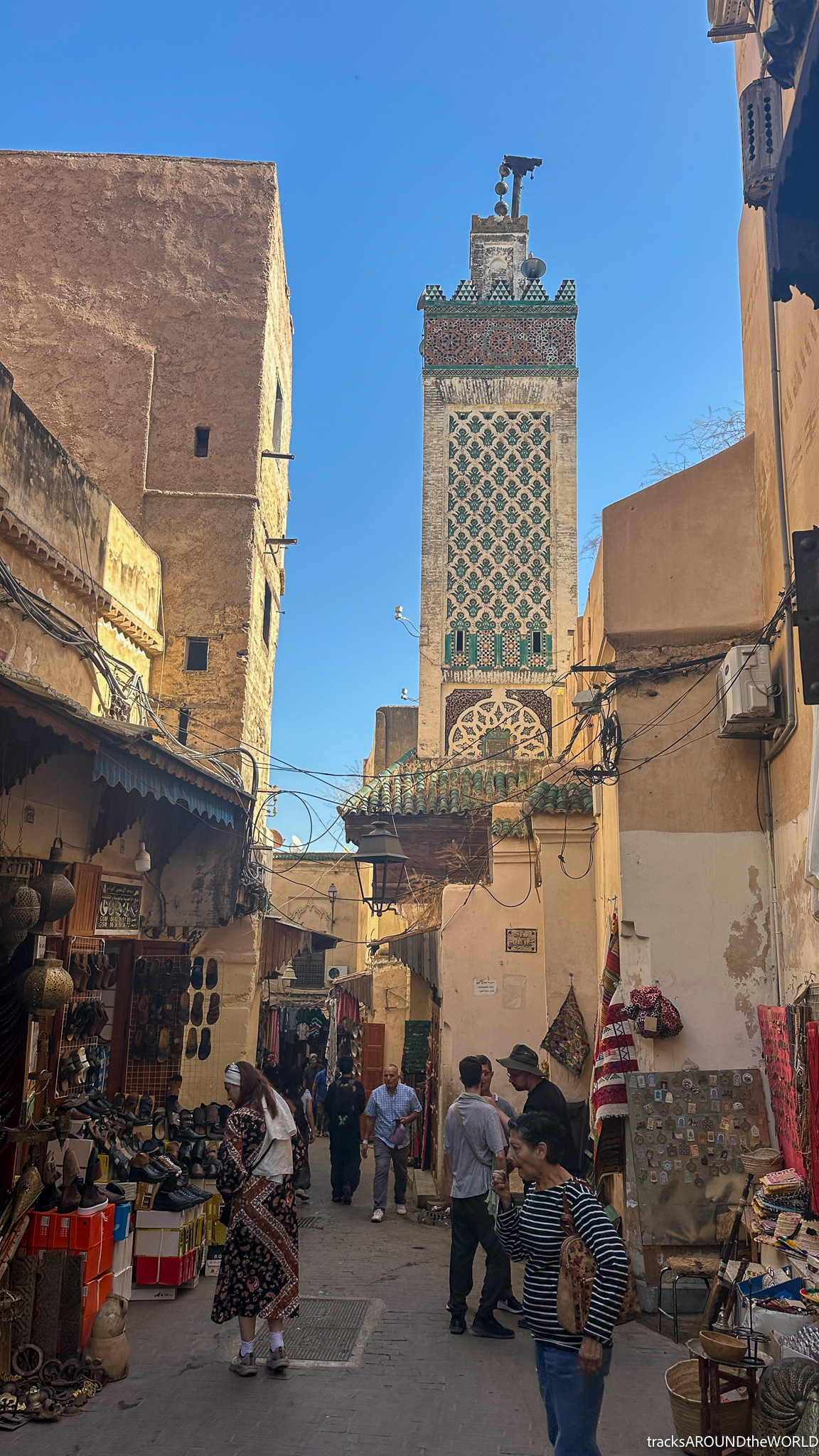
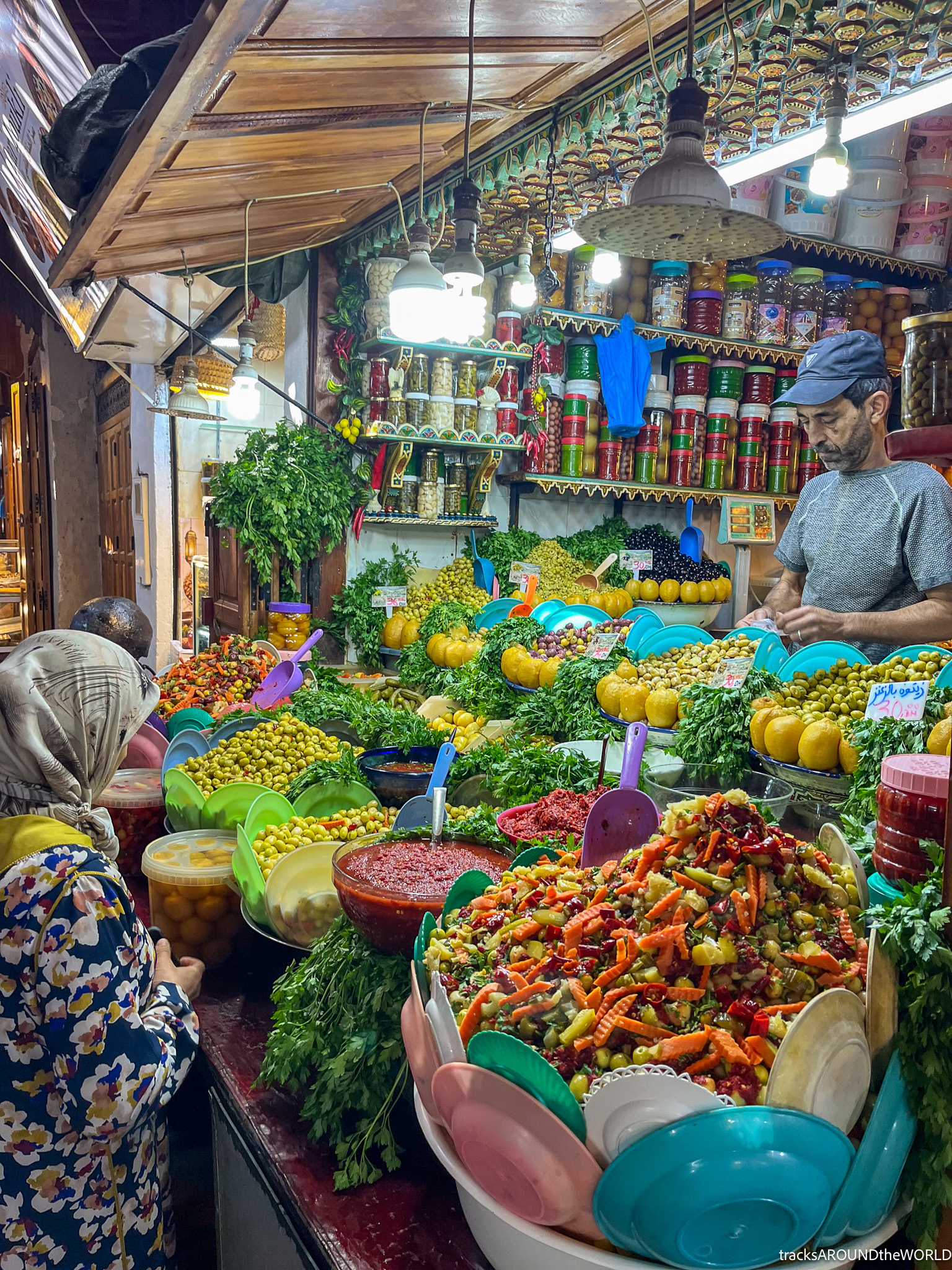
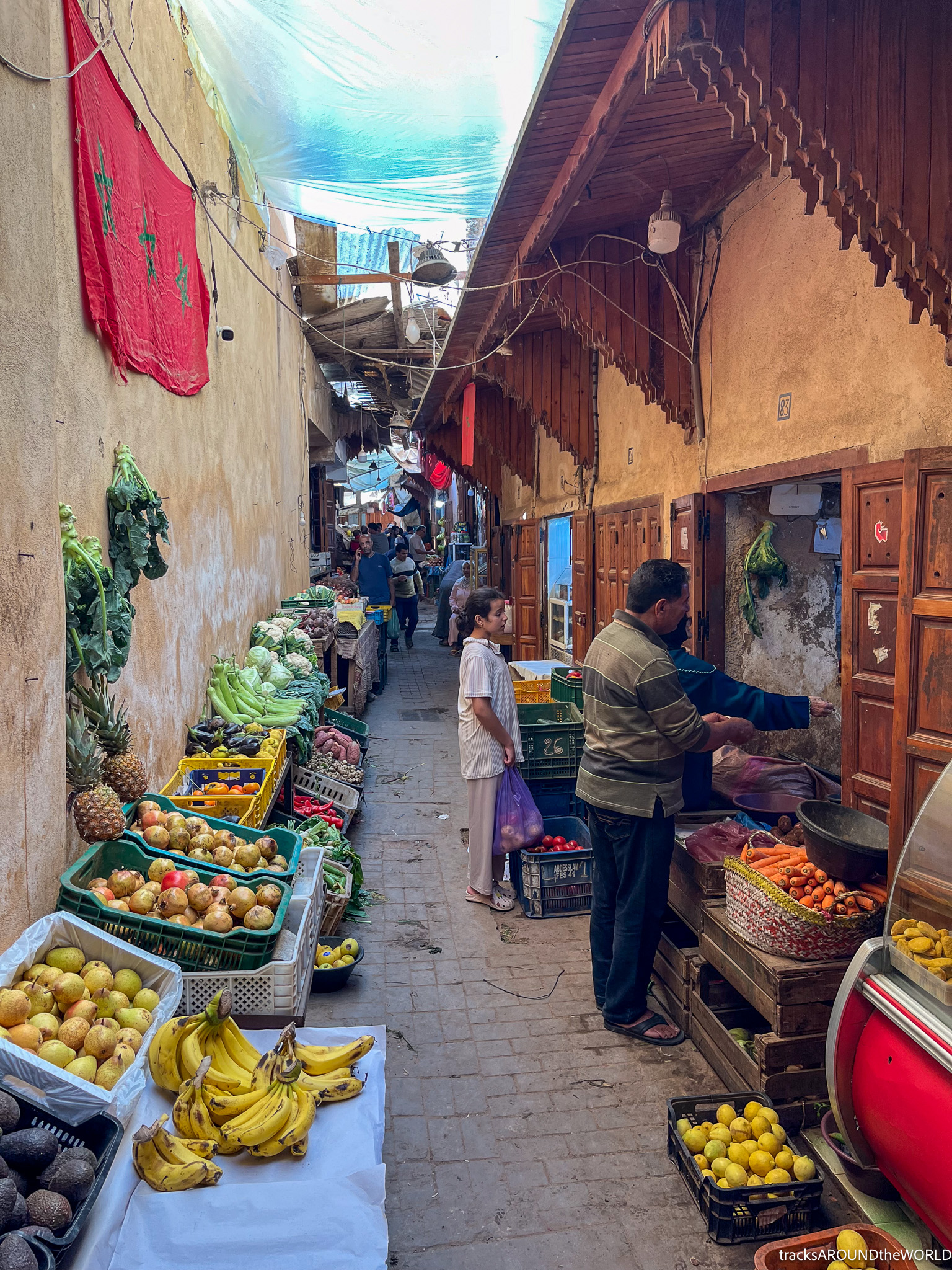
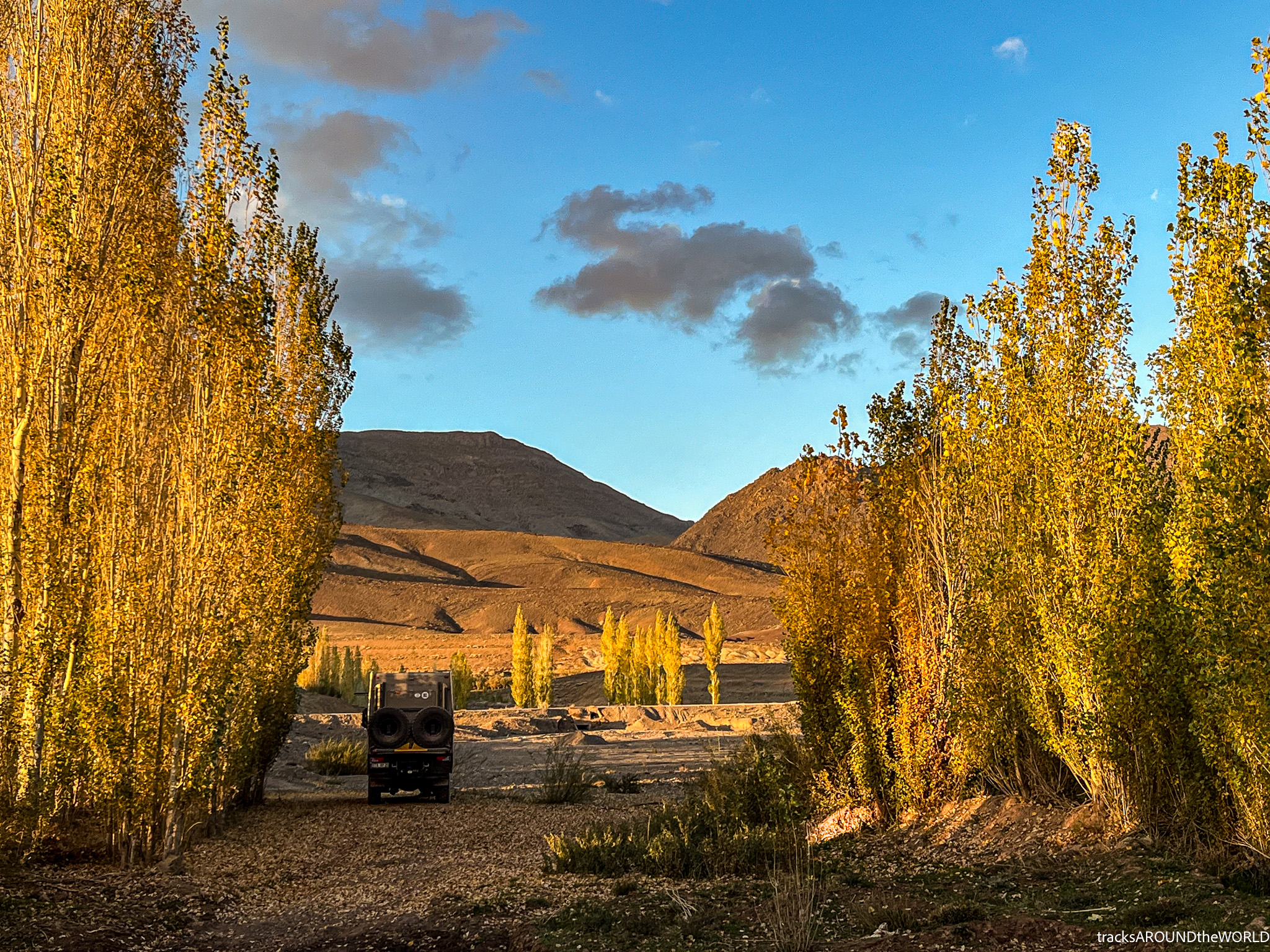
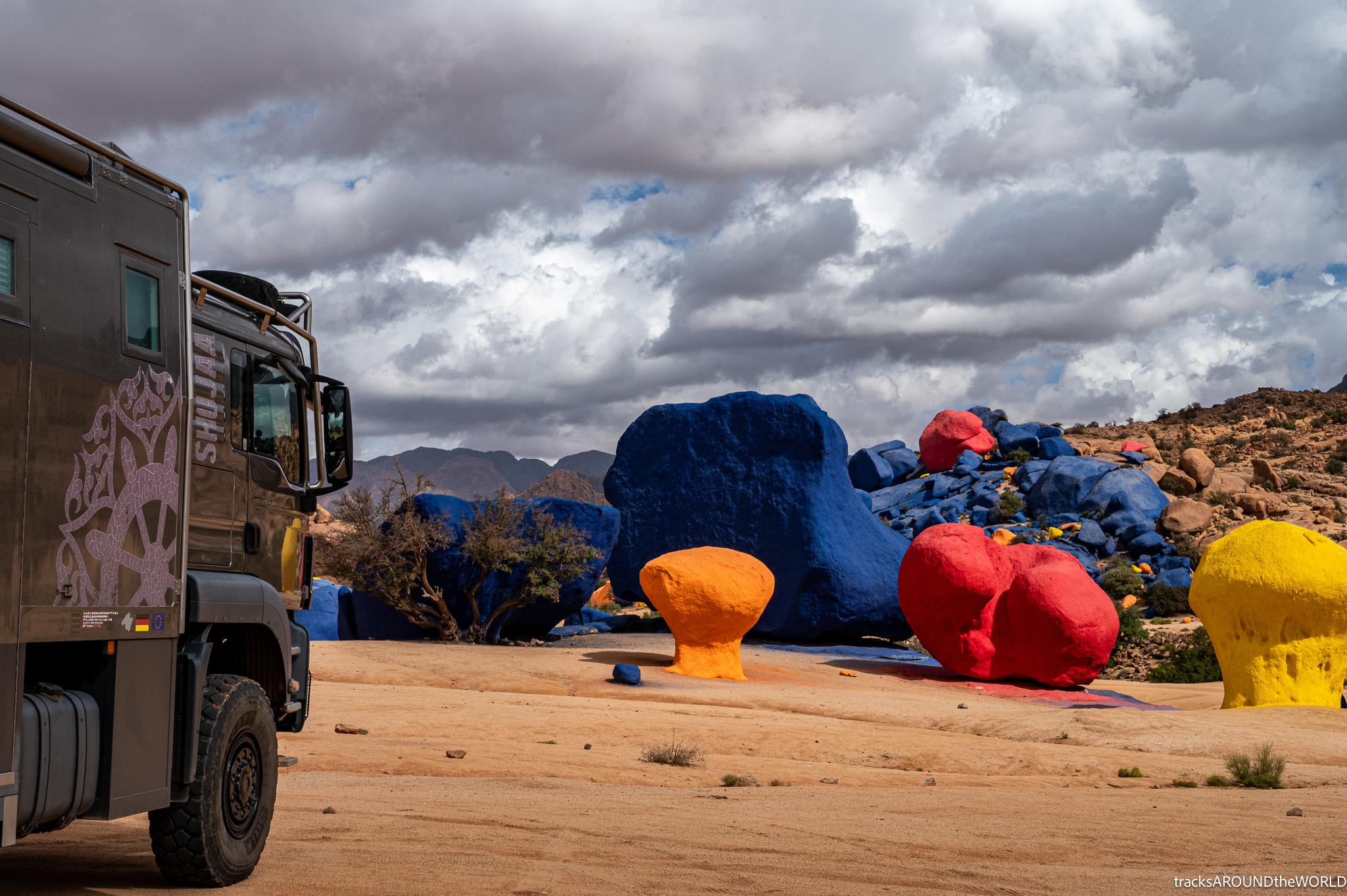
The ferry crossing and arrival in Morocco are as straightforward as ever. We first came here with Shujaa in 2015 and 2016 on what we called our test trips, so this time we’re planning a combination of old favourites and new discoveries. The blue city of Chefchaouen is still as beautiful as ever, and tourism blends surprisingly well with everyday local life. The same goes for the imperial city of Fès, which we actually prefer to Marrakech, now rather overwhelmed by mass tourism.
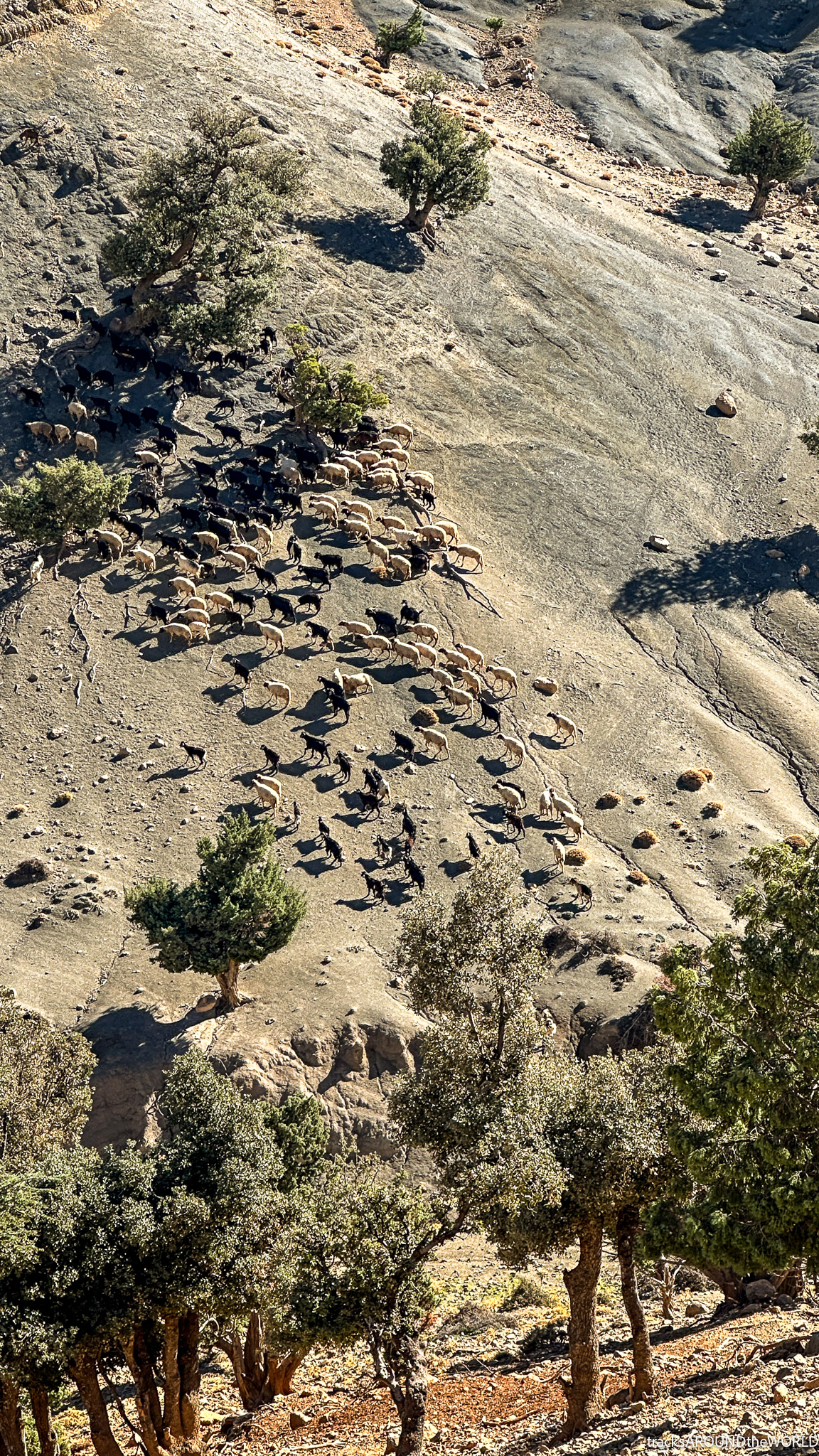
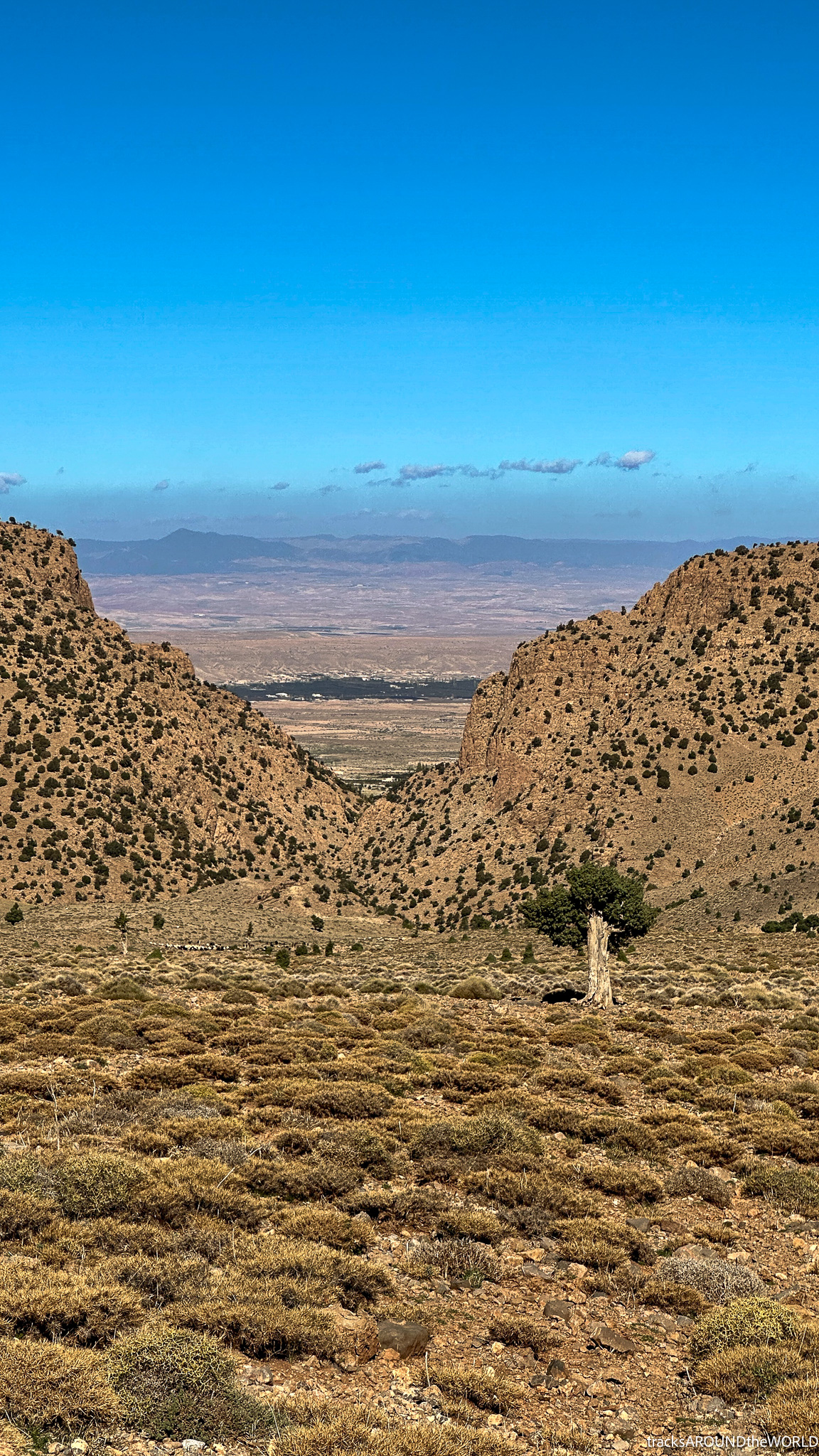
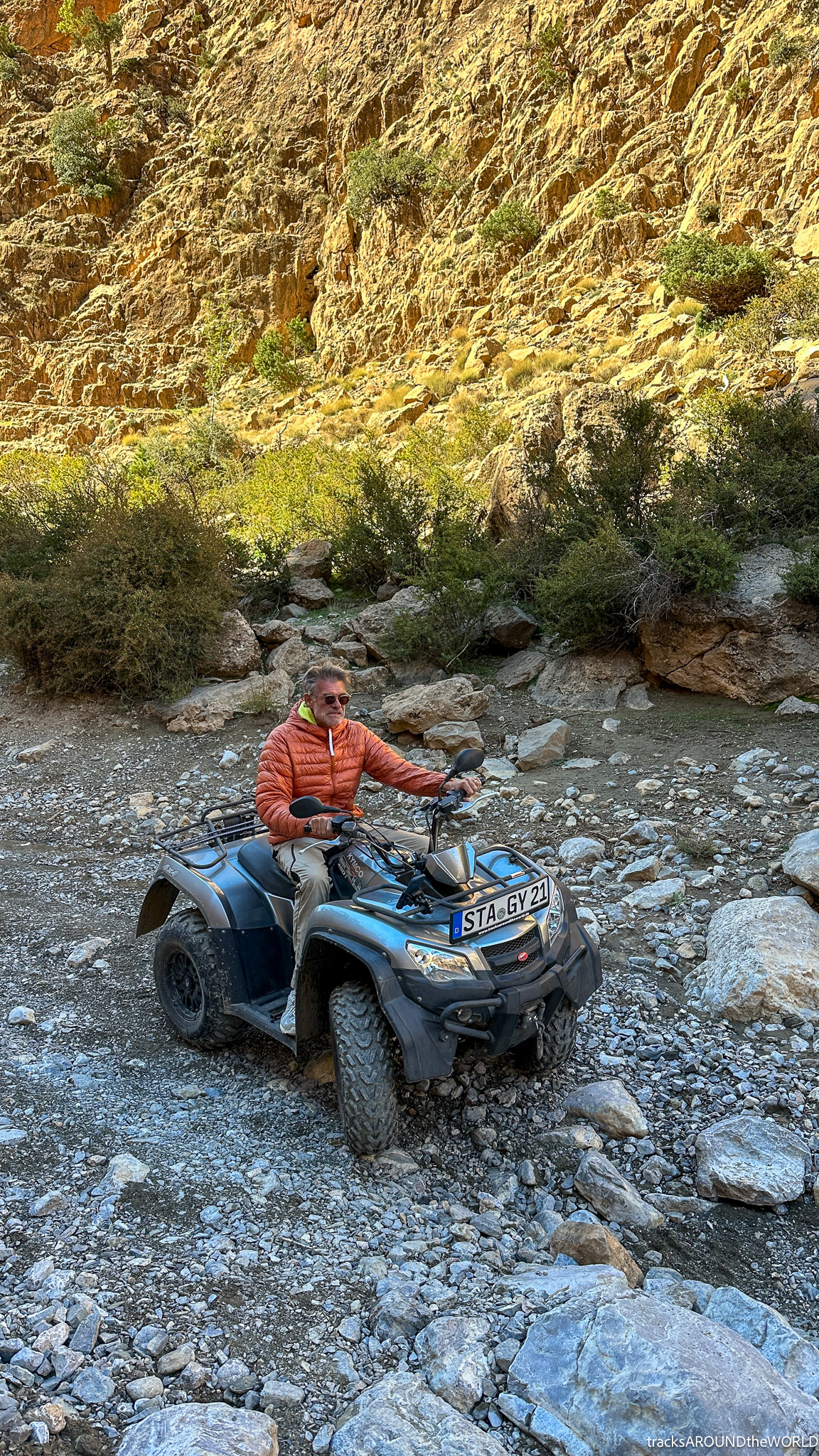
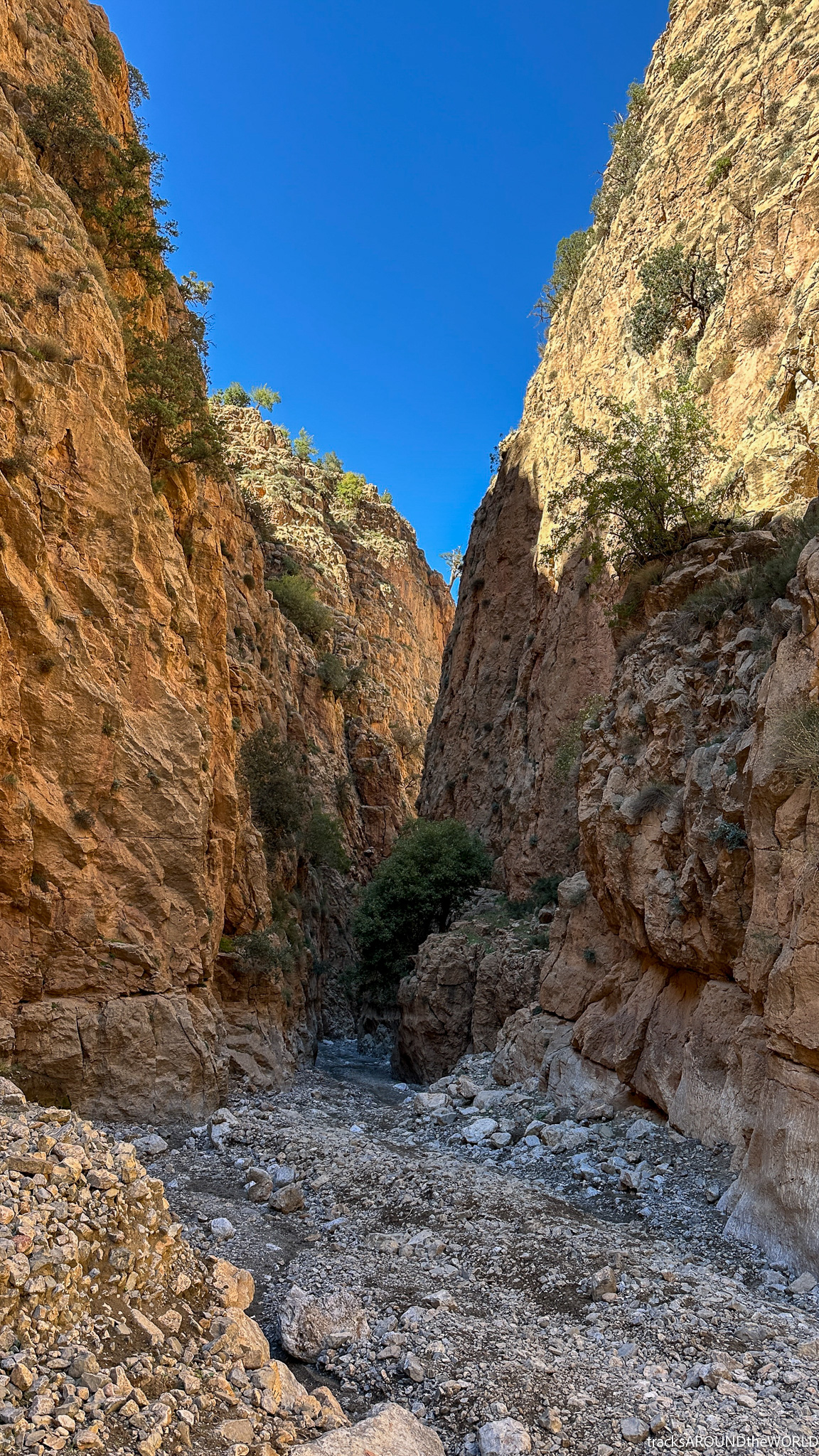
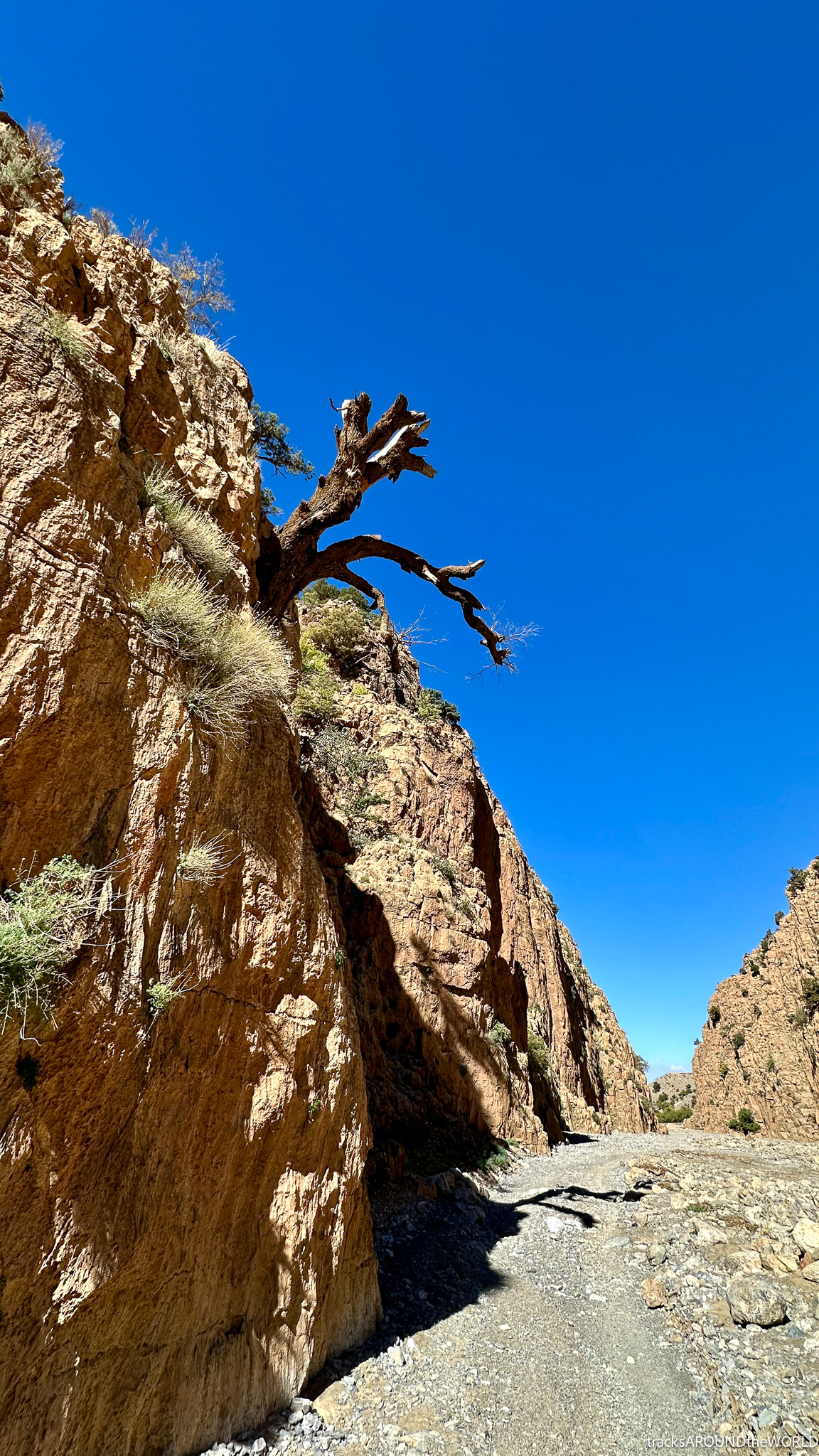
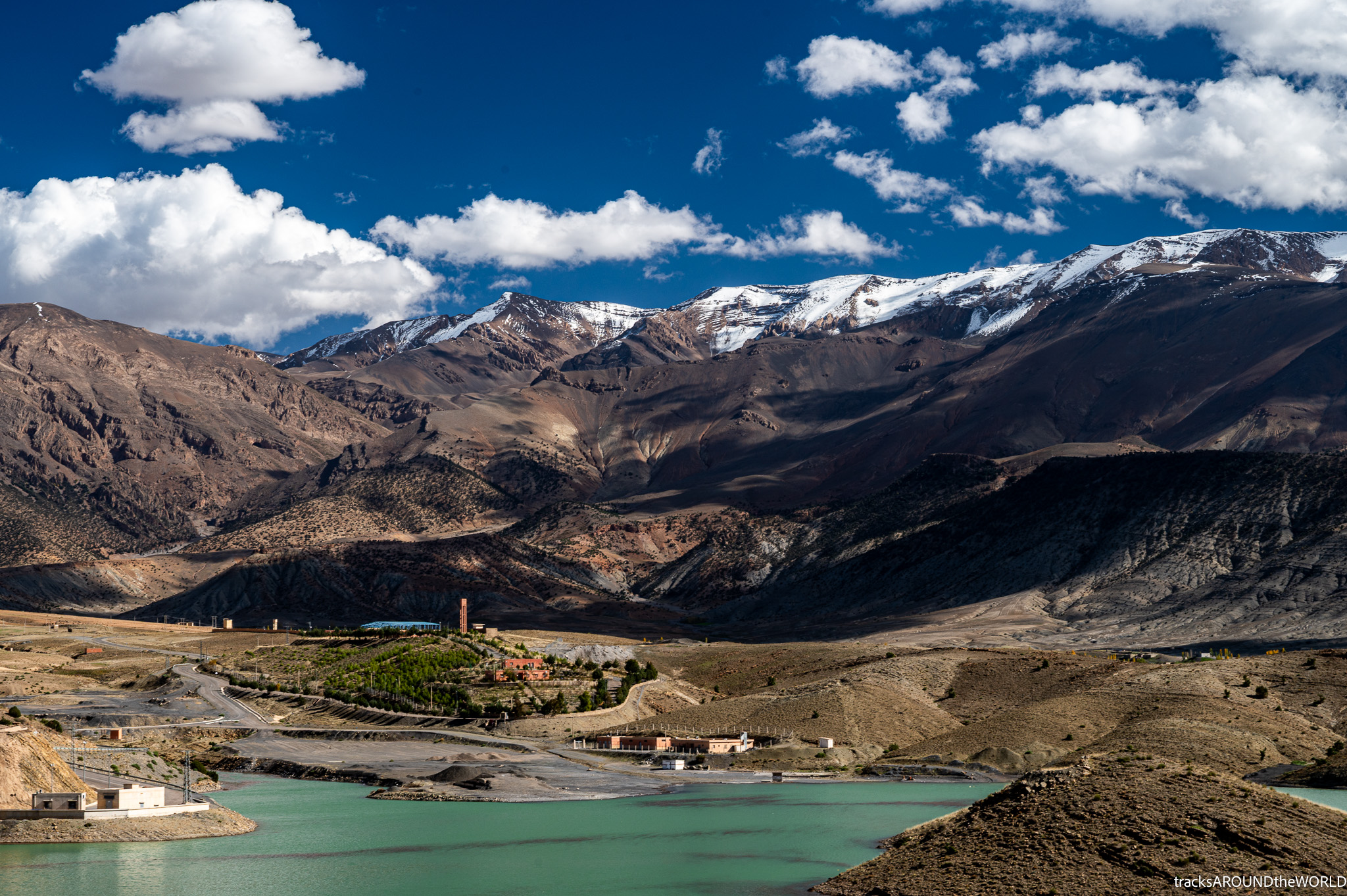
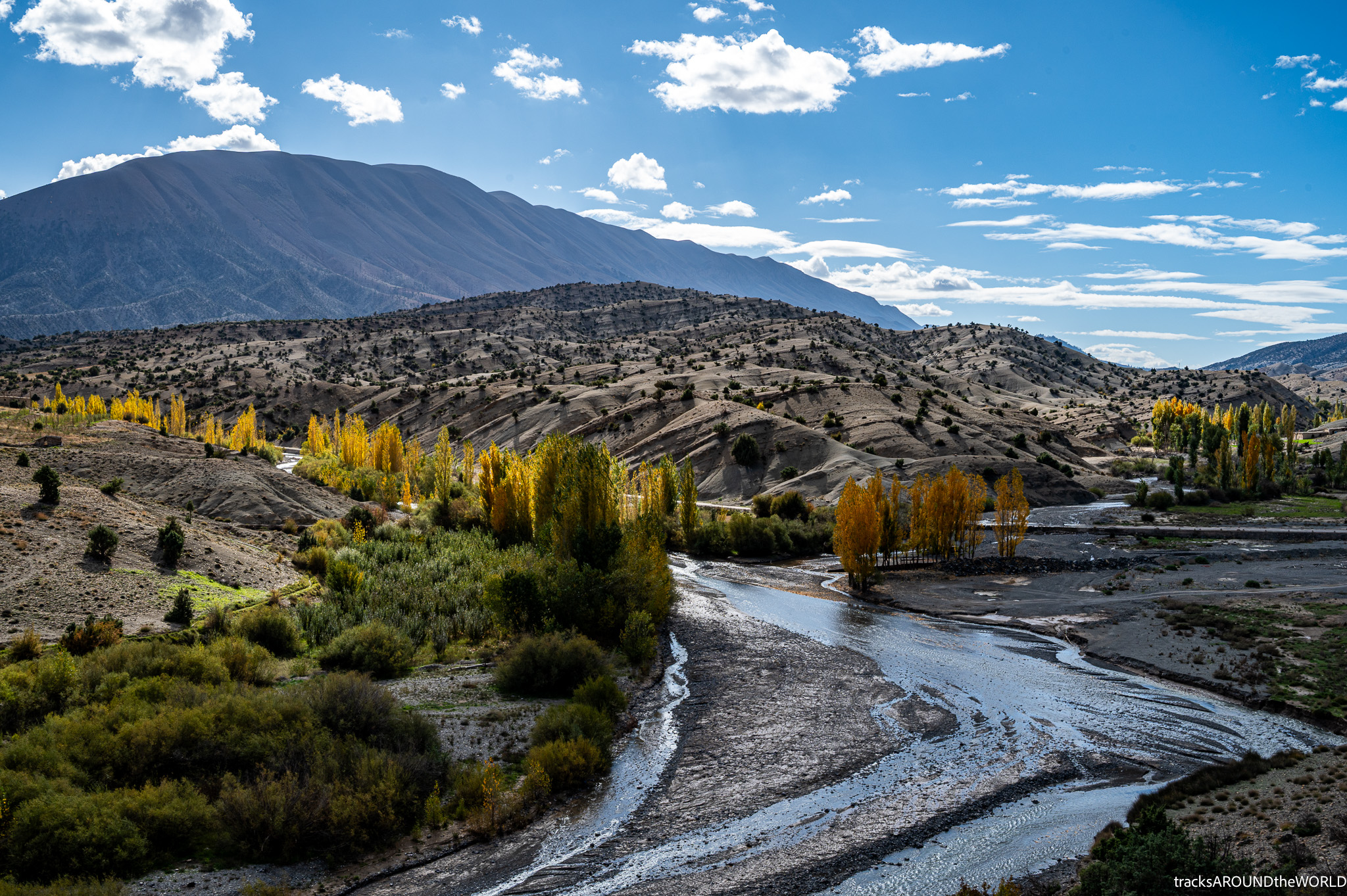
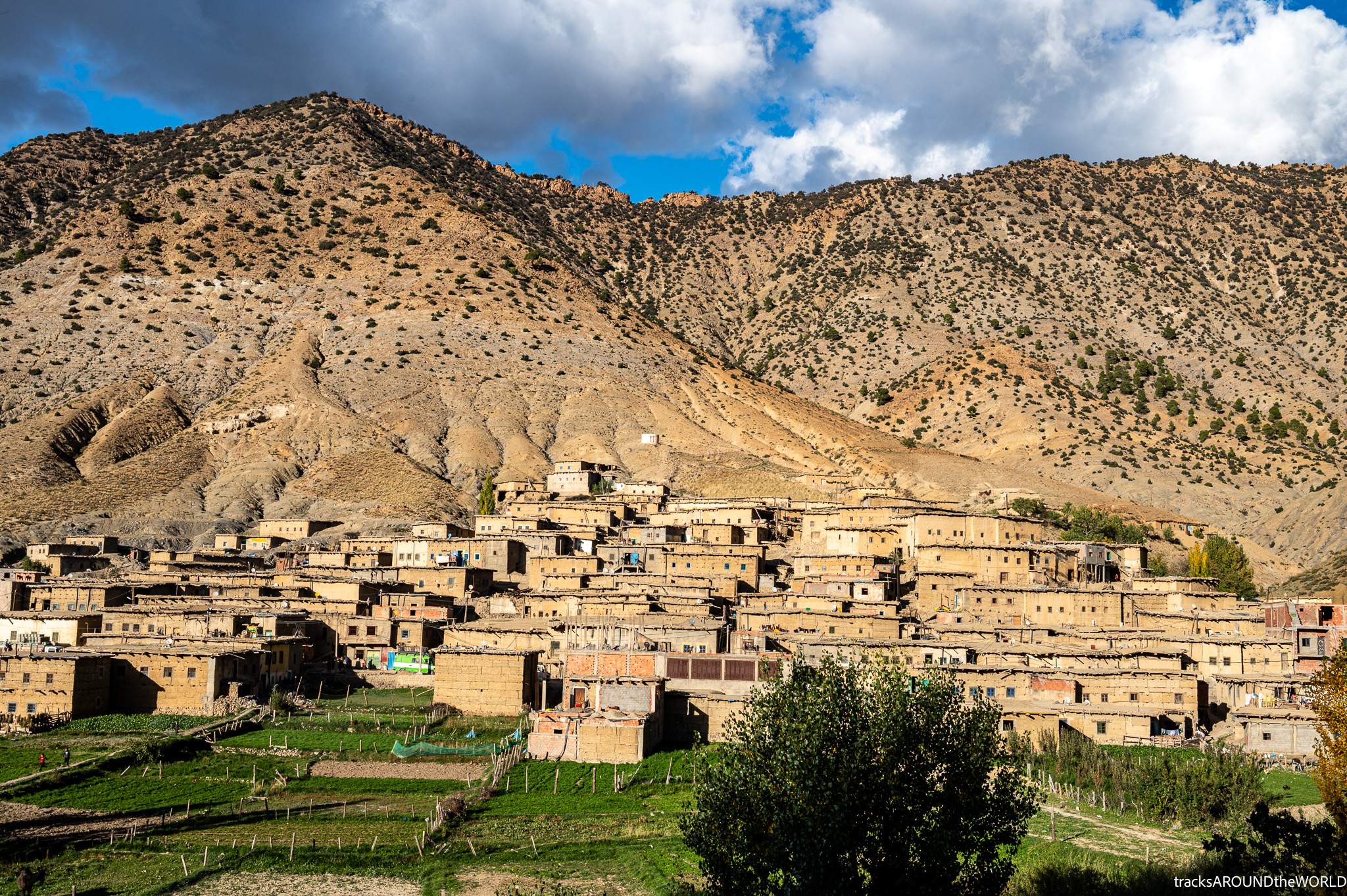
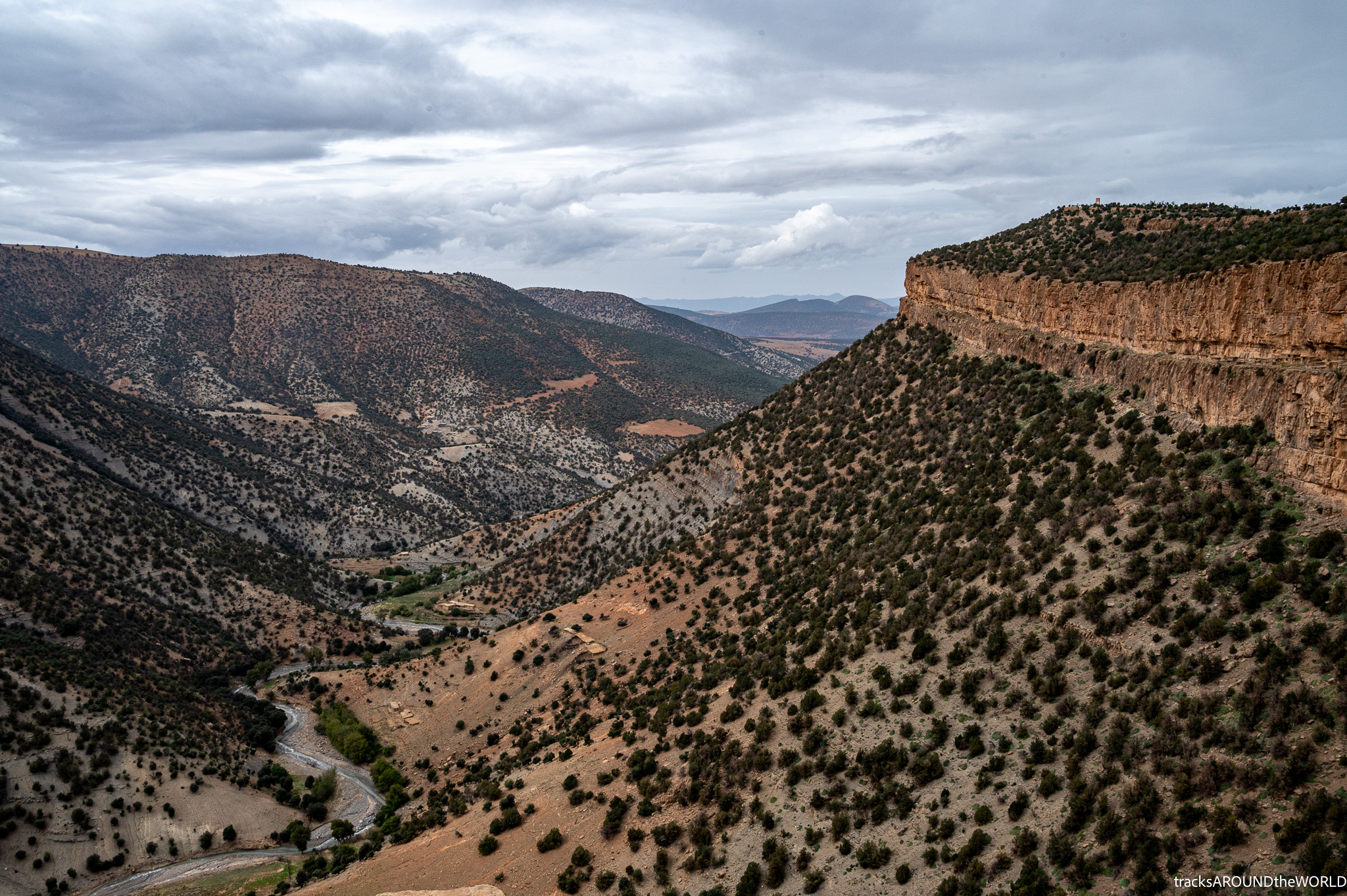
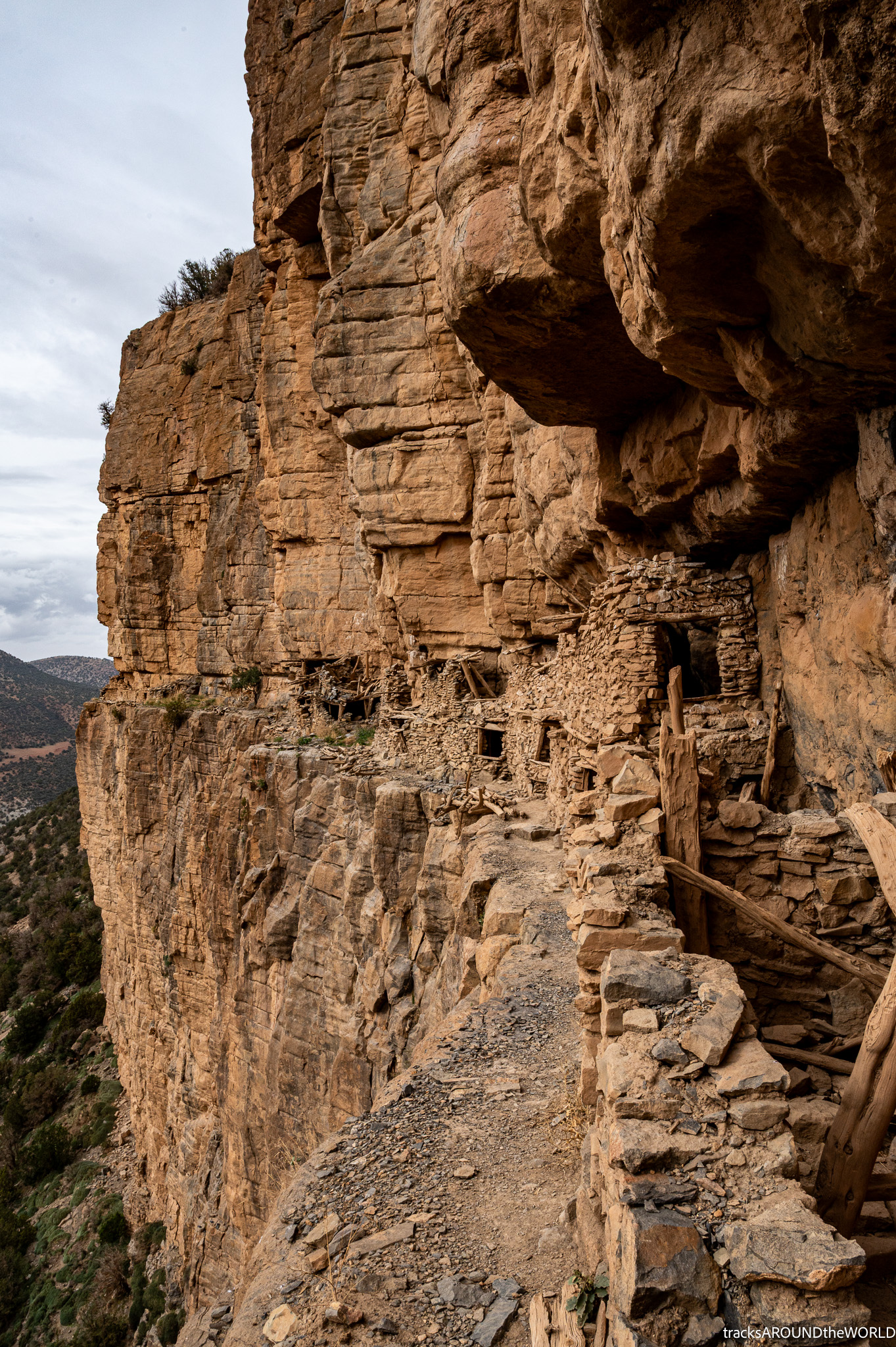
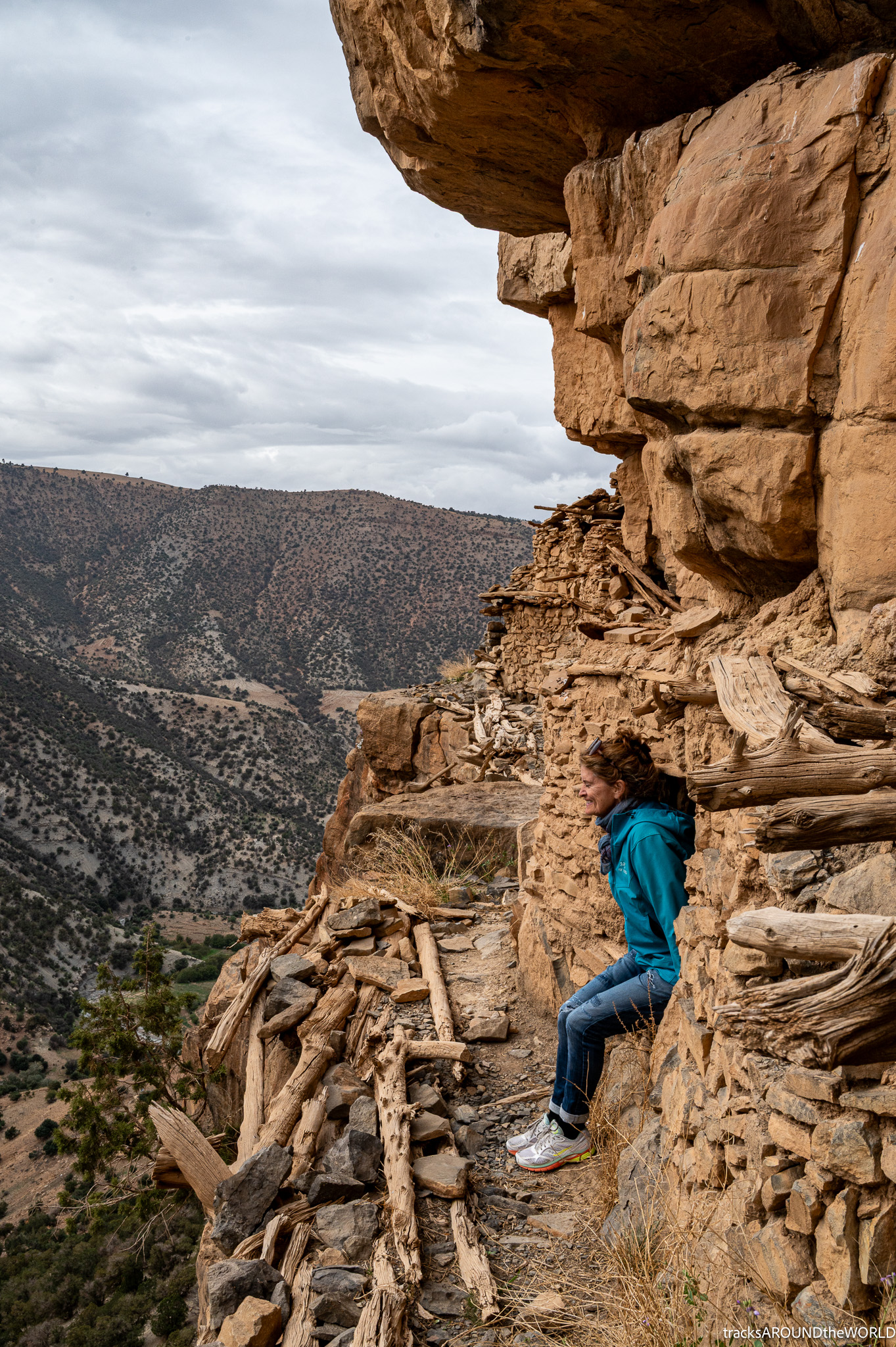
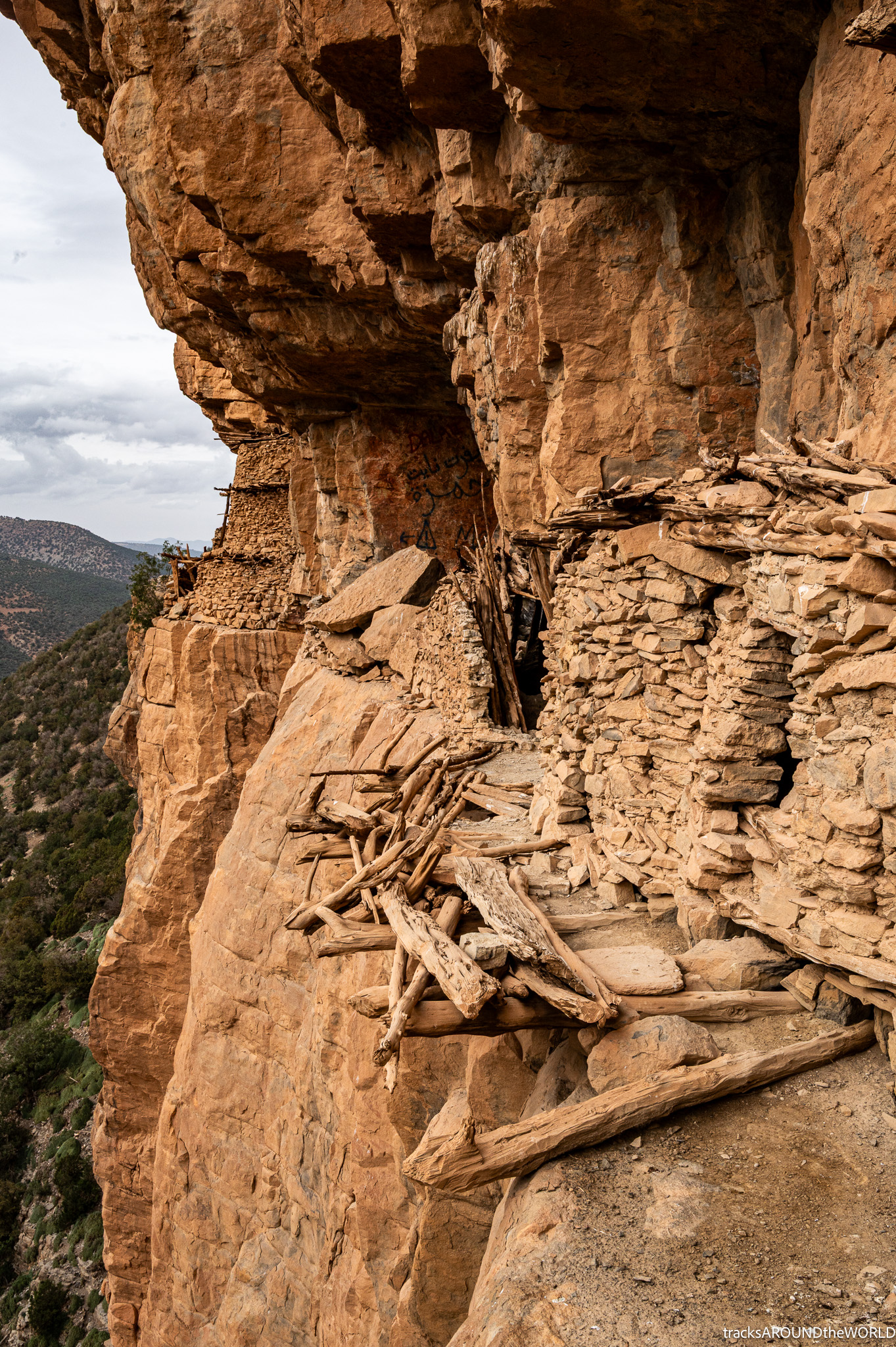
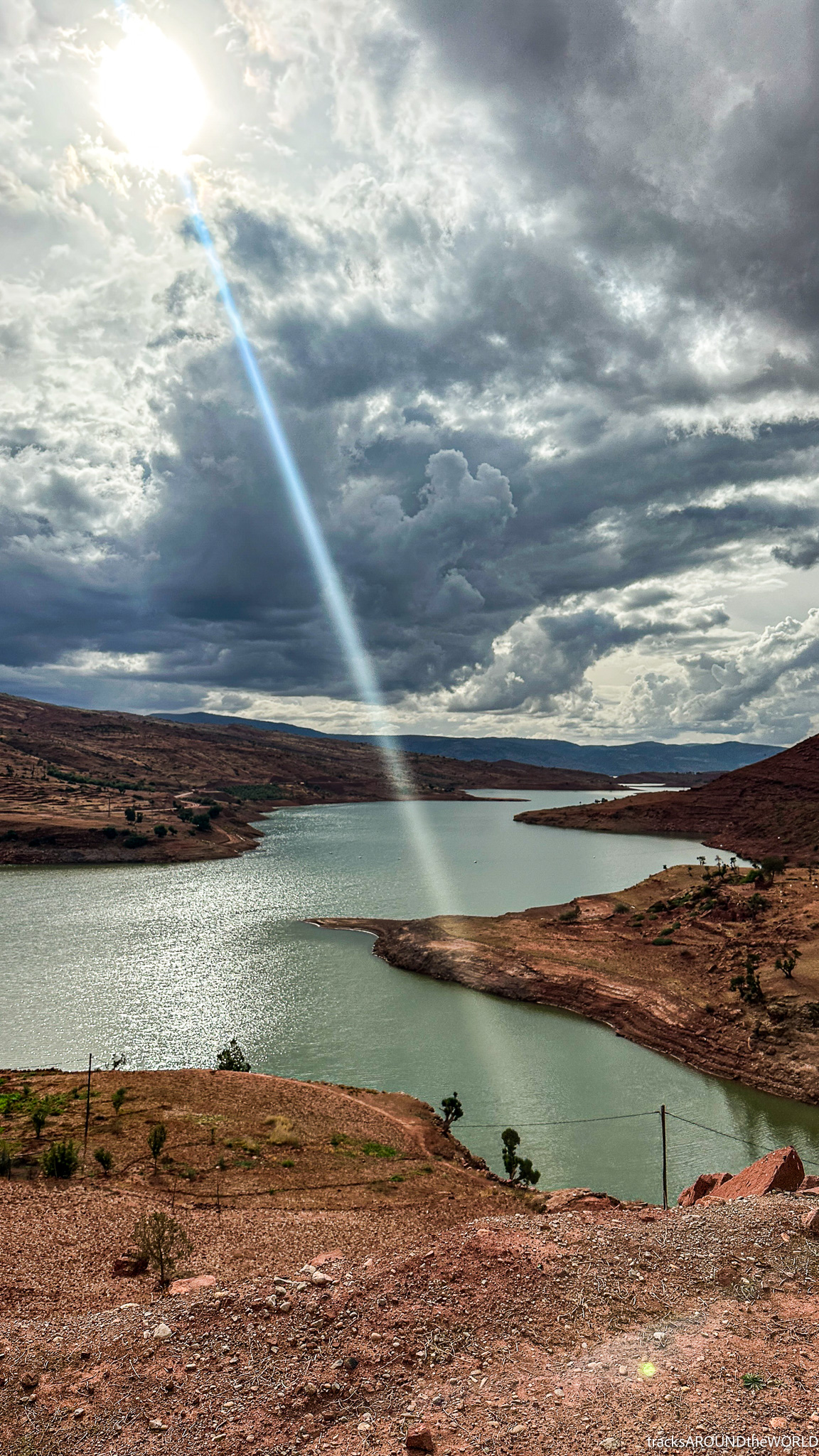
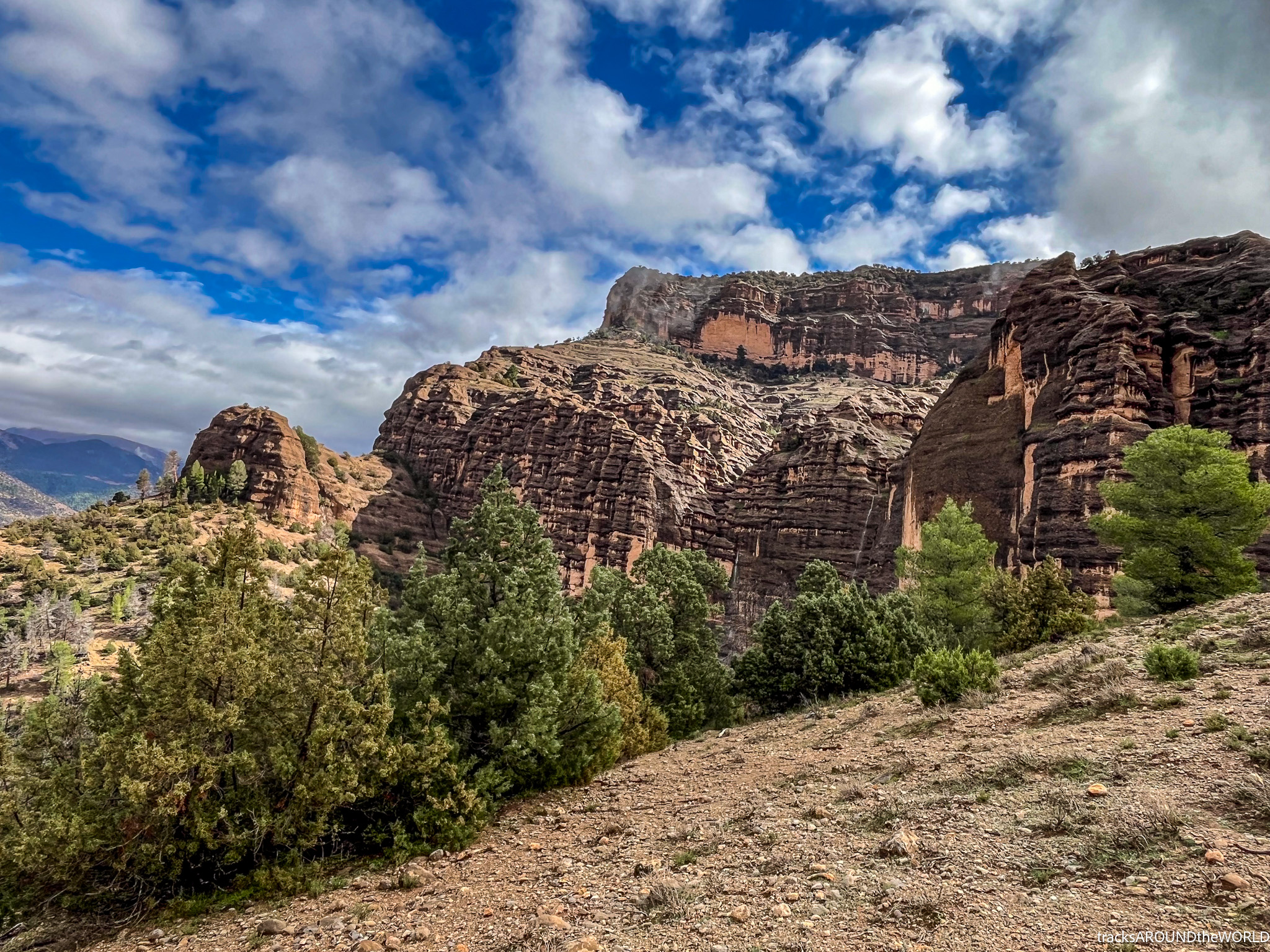
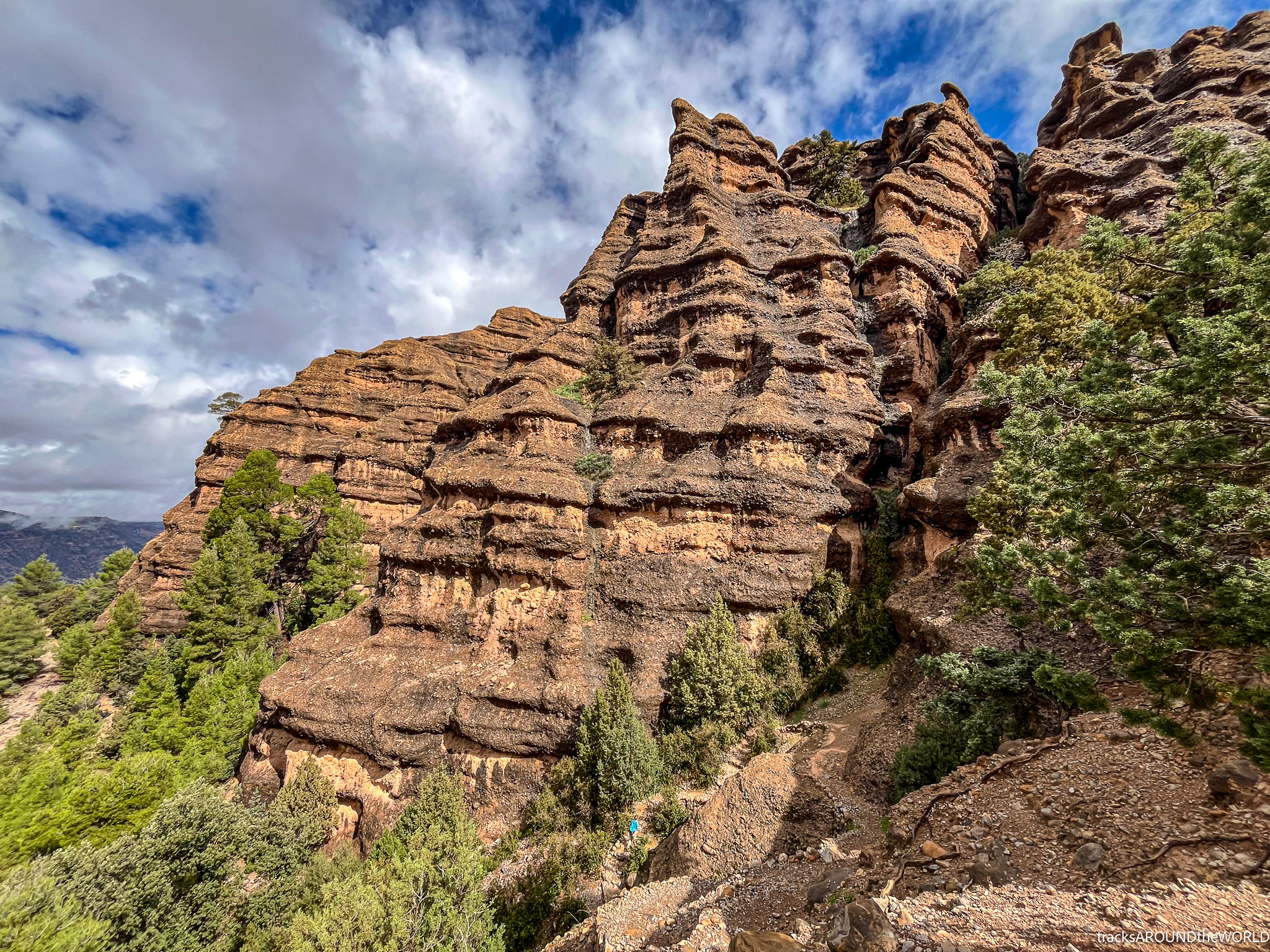
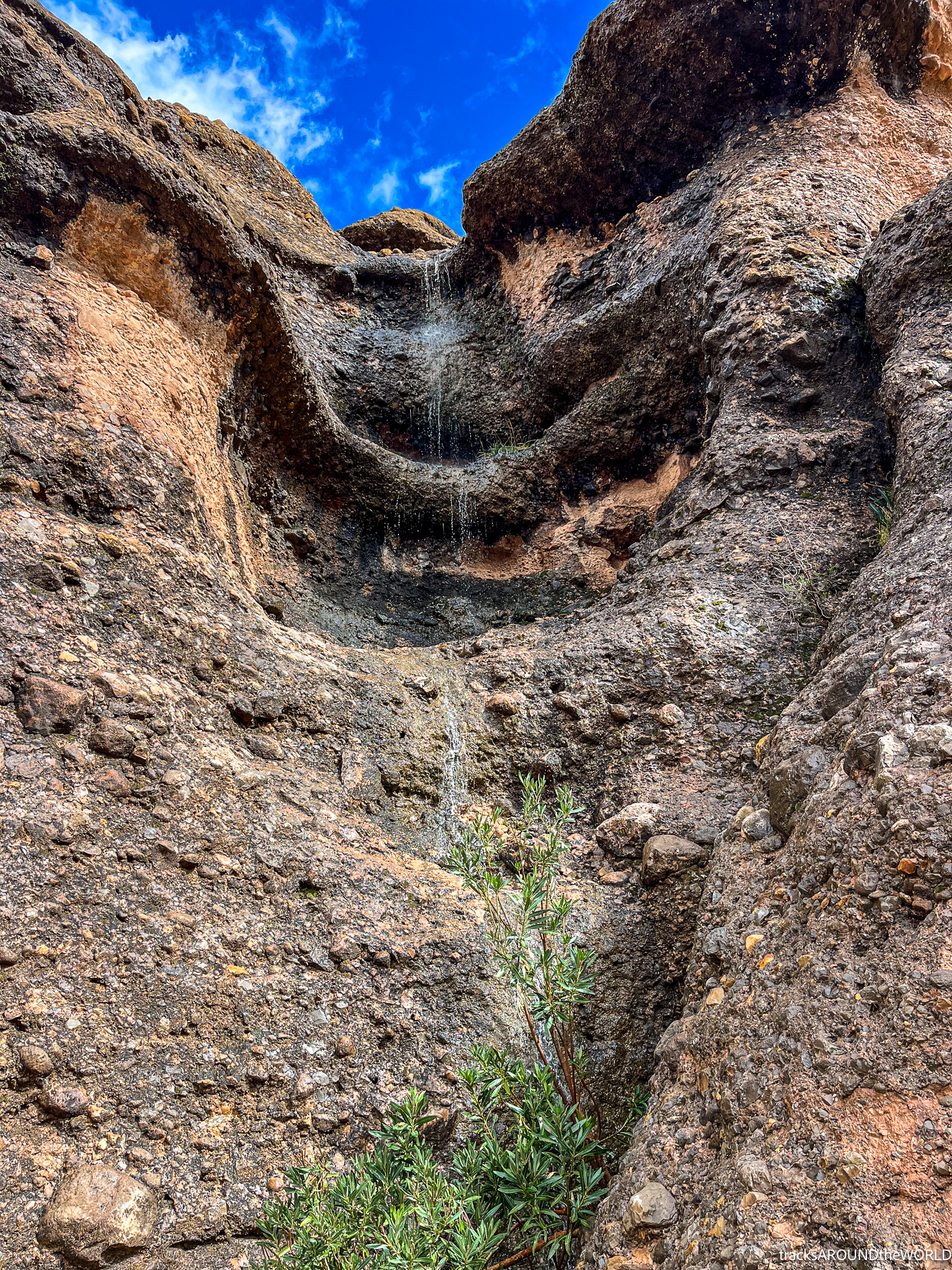
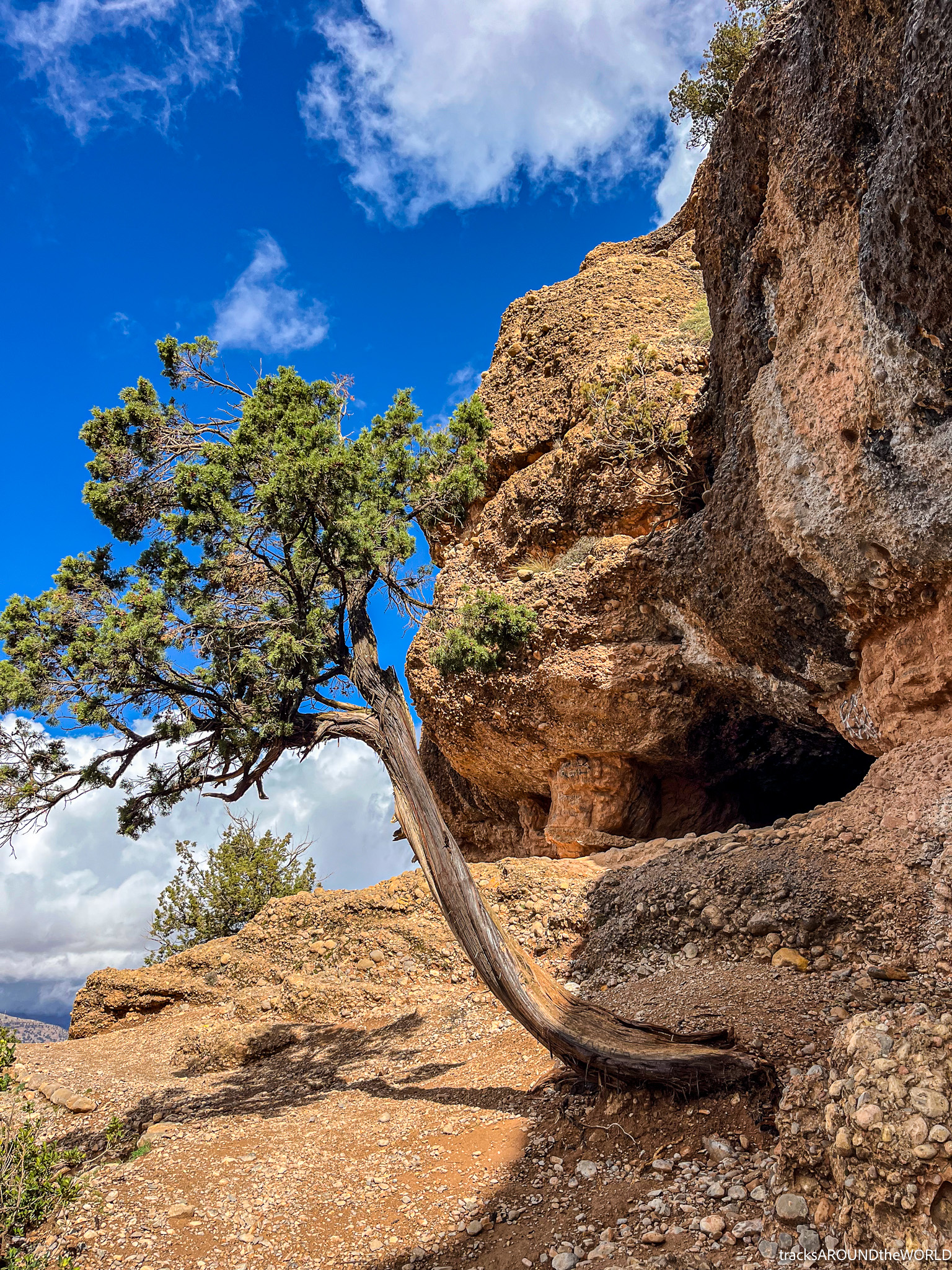
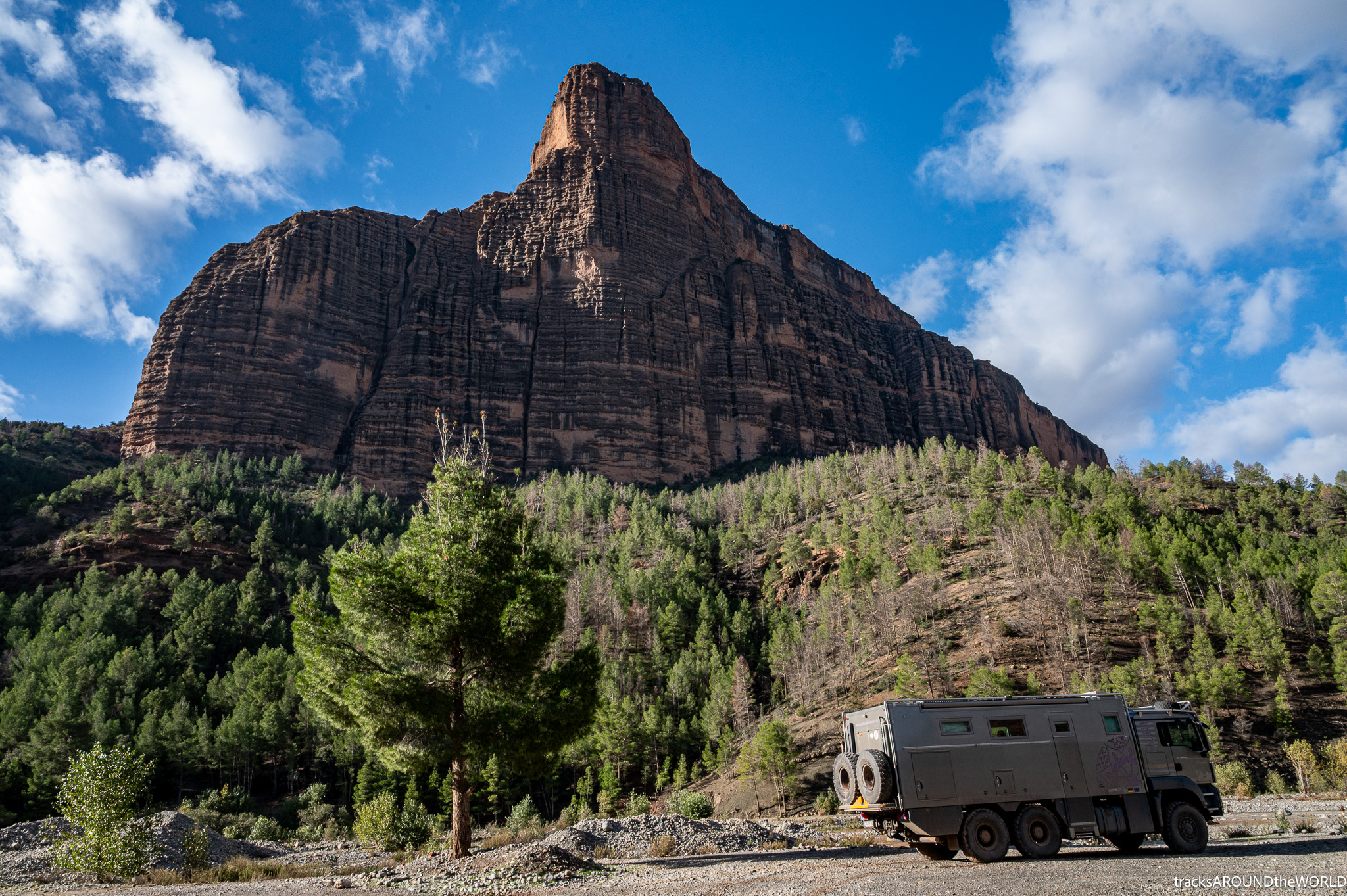
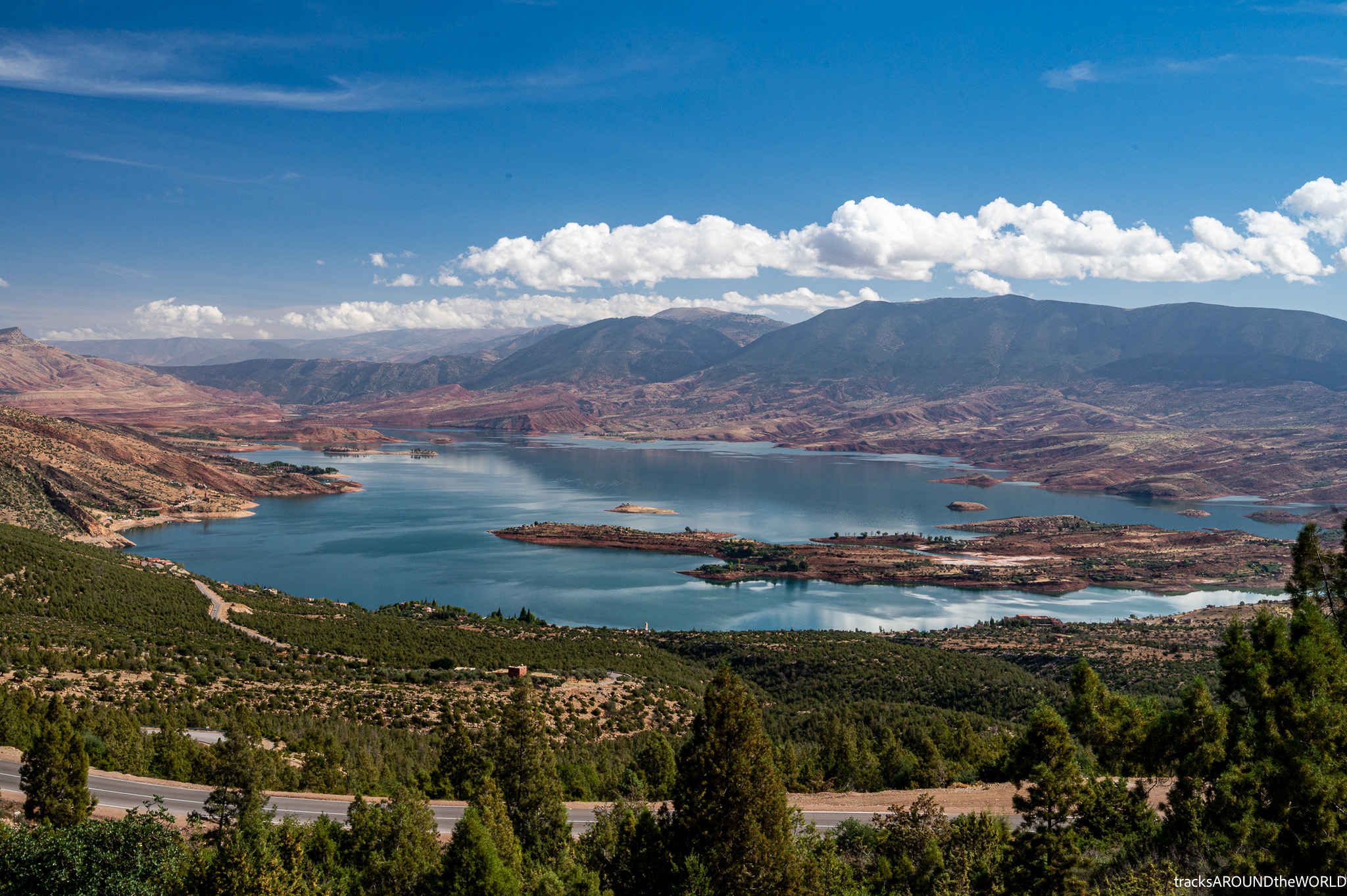
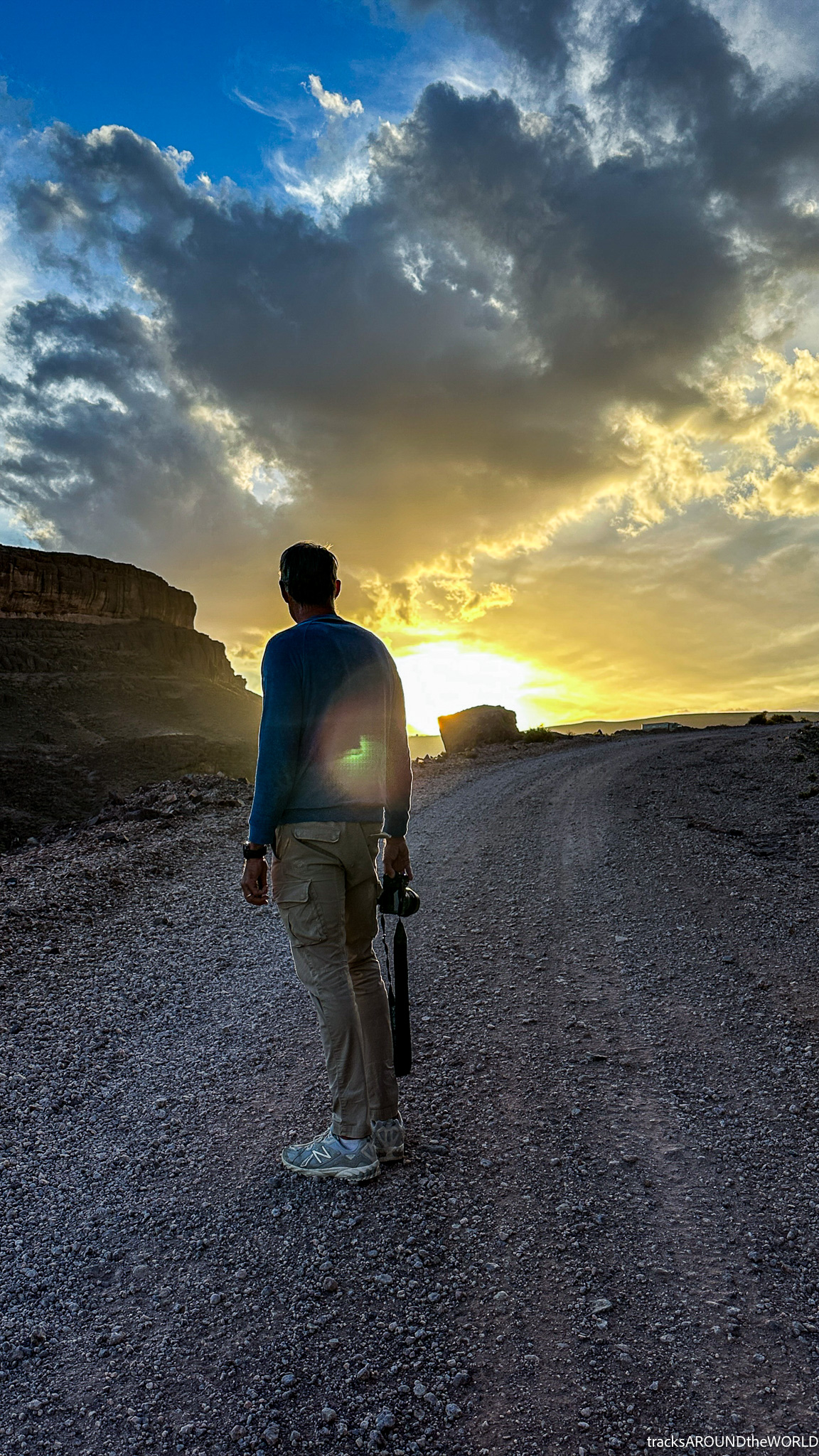
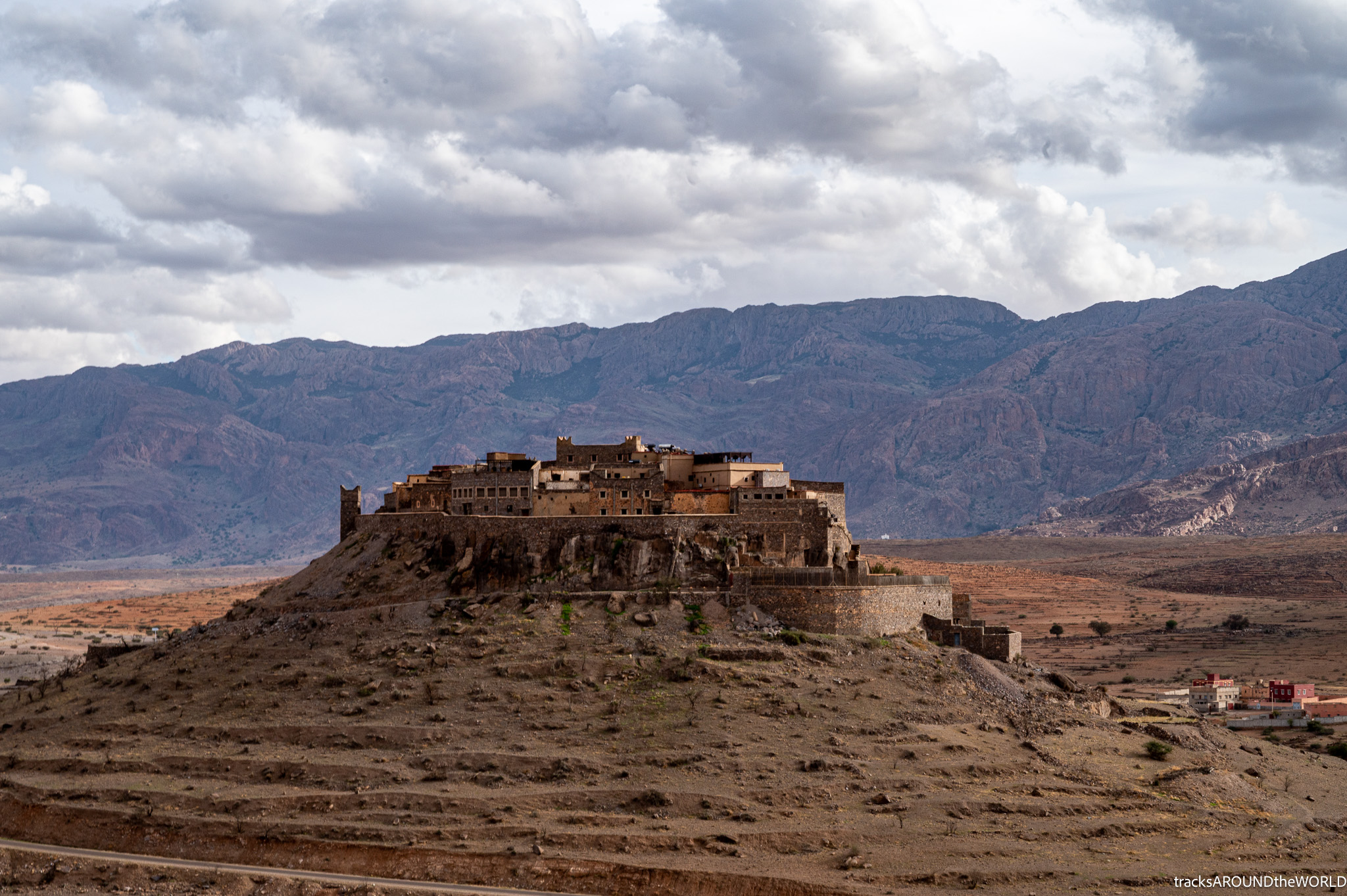
From there, we head off along new routes through the Middle and High Atlas Mountains. Highlights include the narrow gorge of Cirque de Jaffar (which we sensibly tackle by quad bike – with Shujaa, we would simply have got stuck between the rocks), the former granaries of Agadir Grenier Aoujgal, dramatically perched against a sheer rock face, and a fantastic hike to the impressive rock formation known as the Cathédrale des Roches.
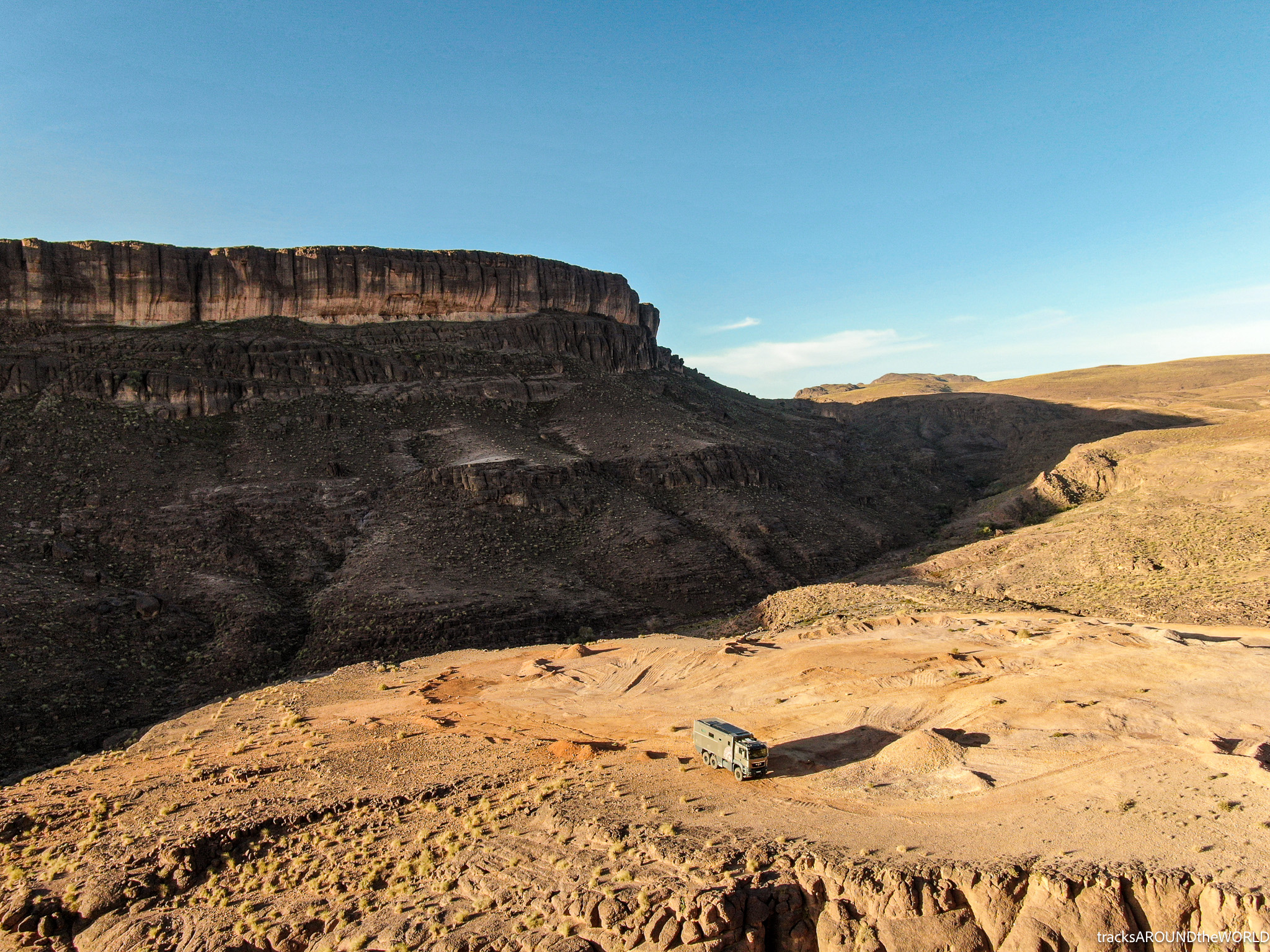
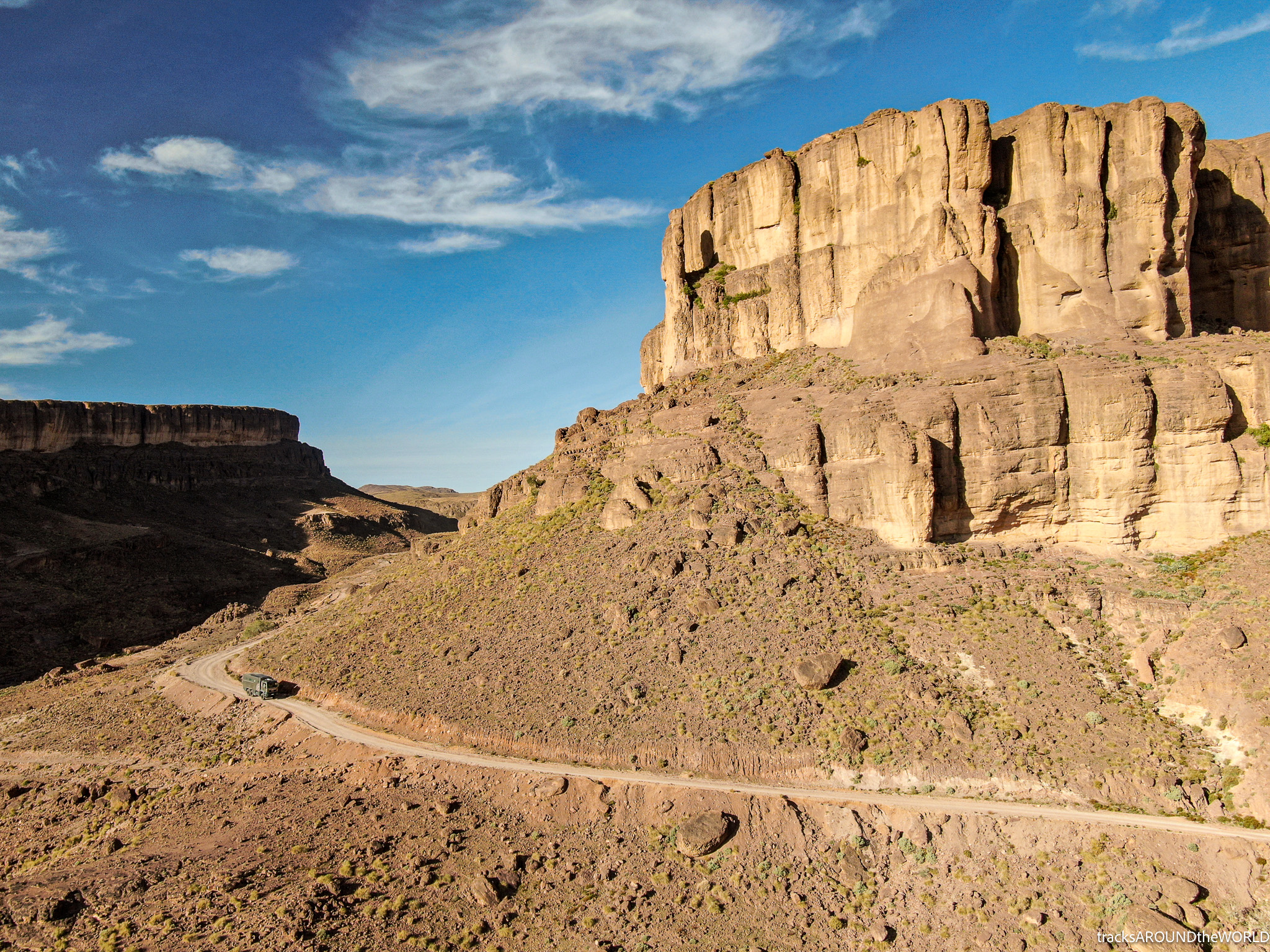
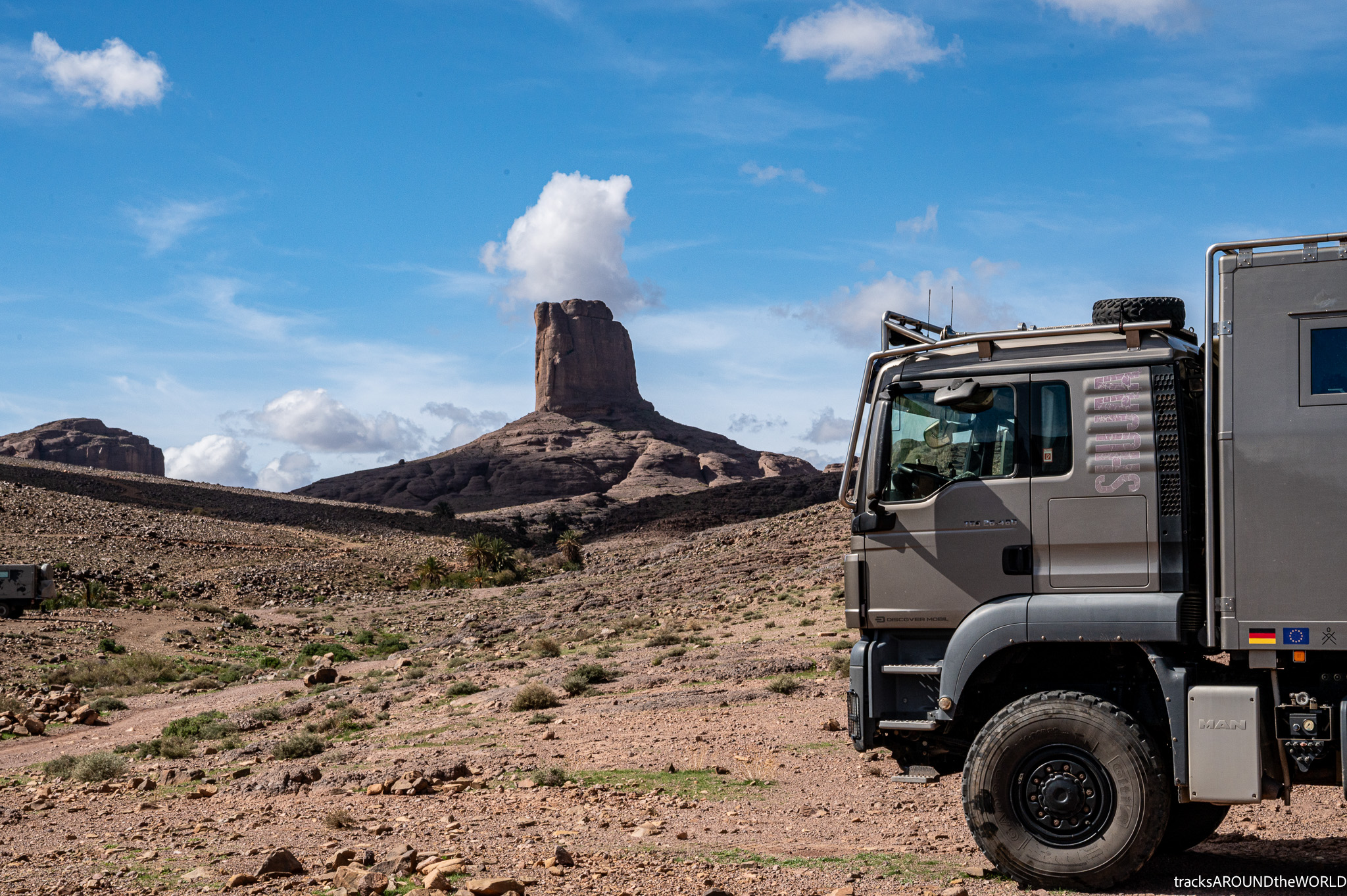
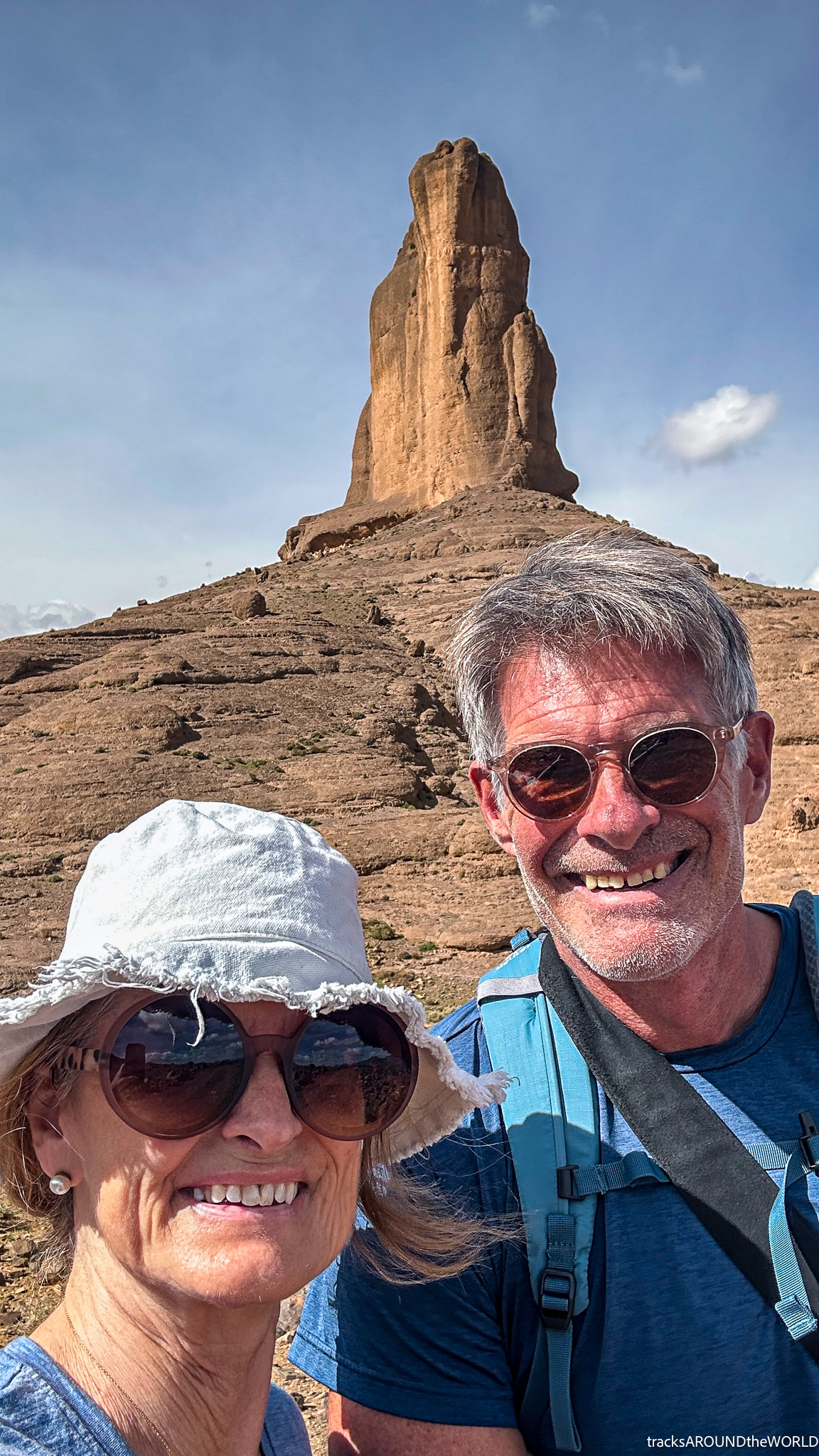
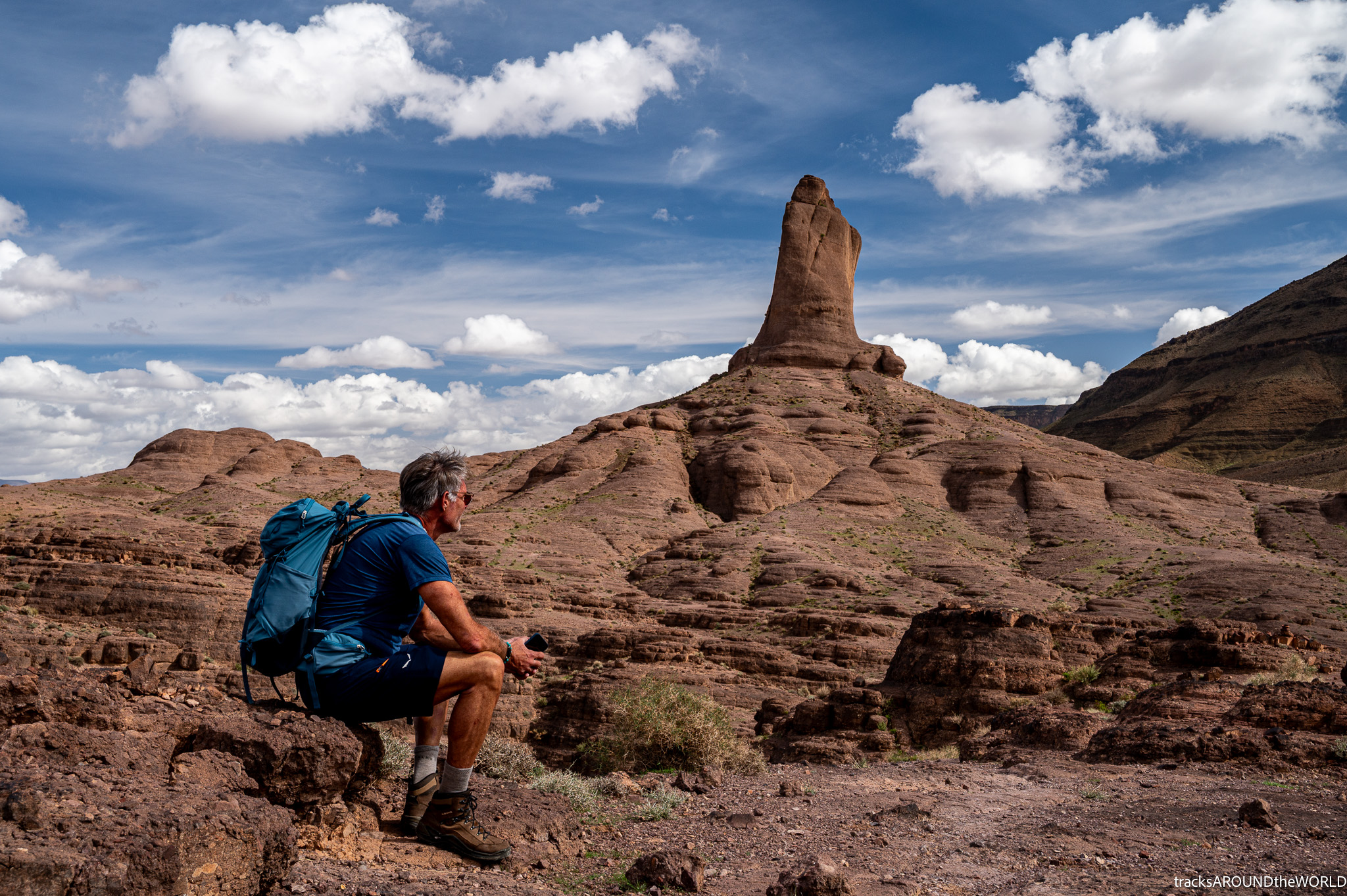
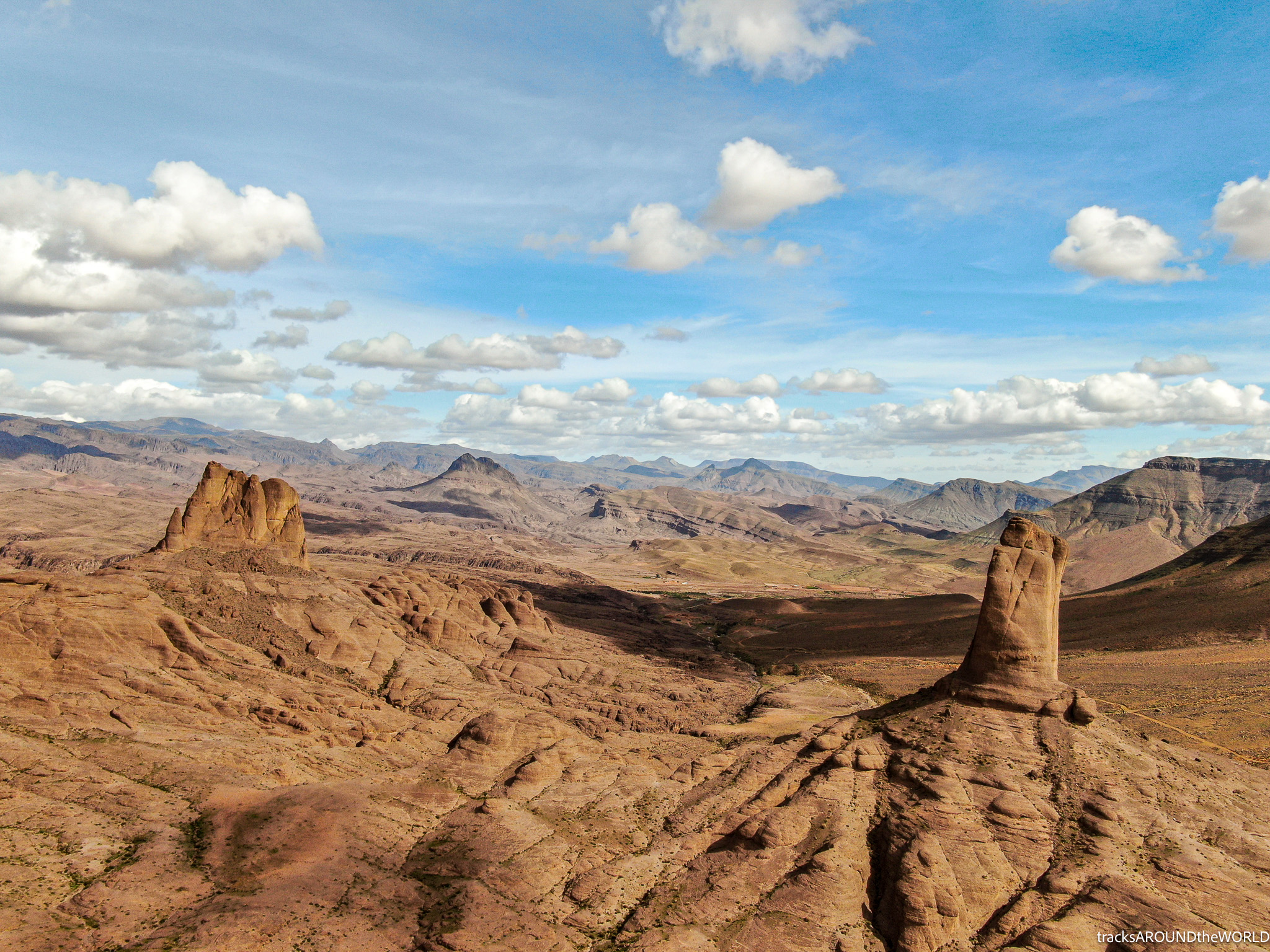
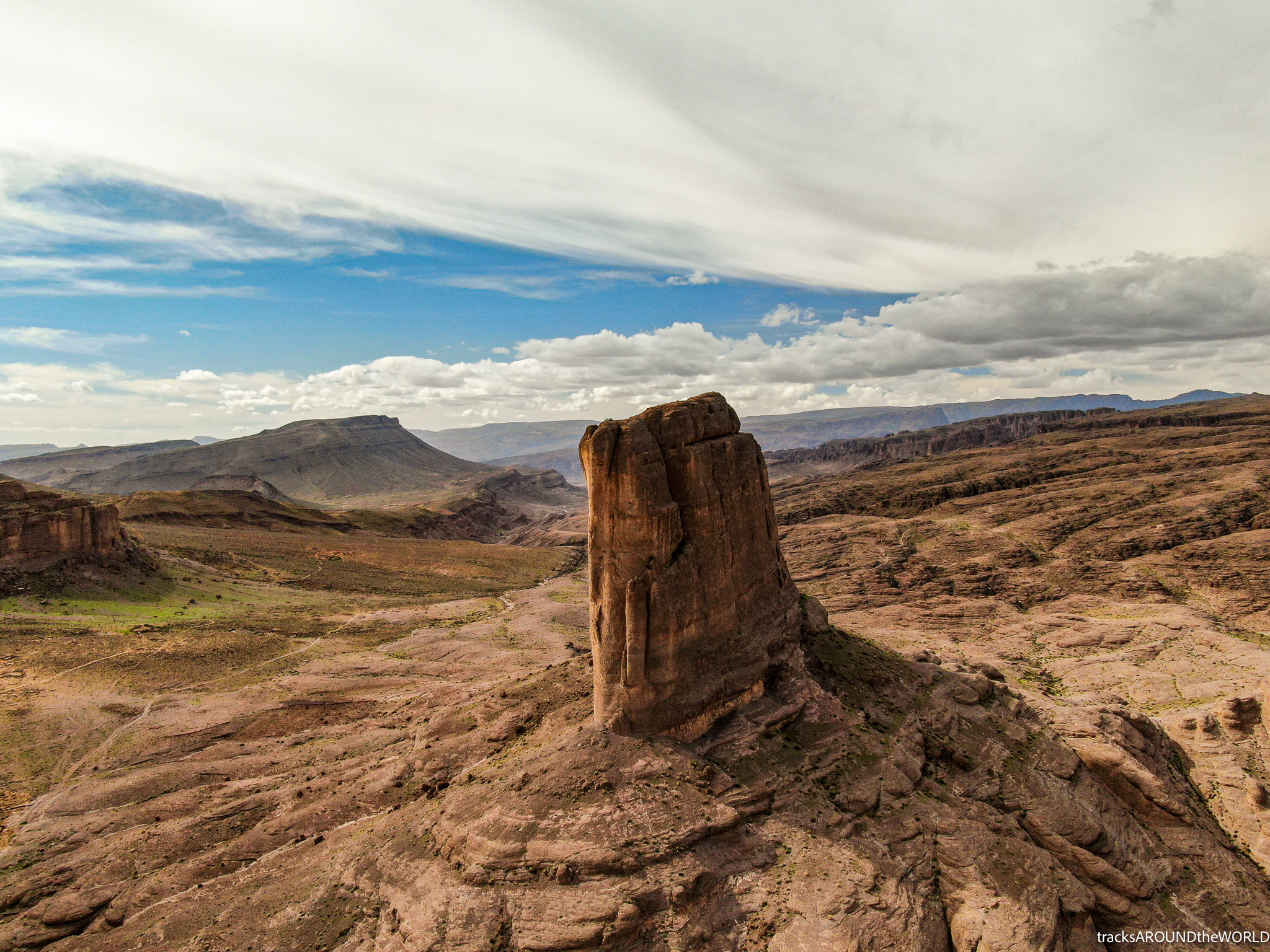
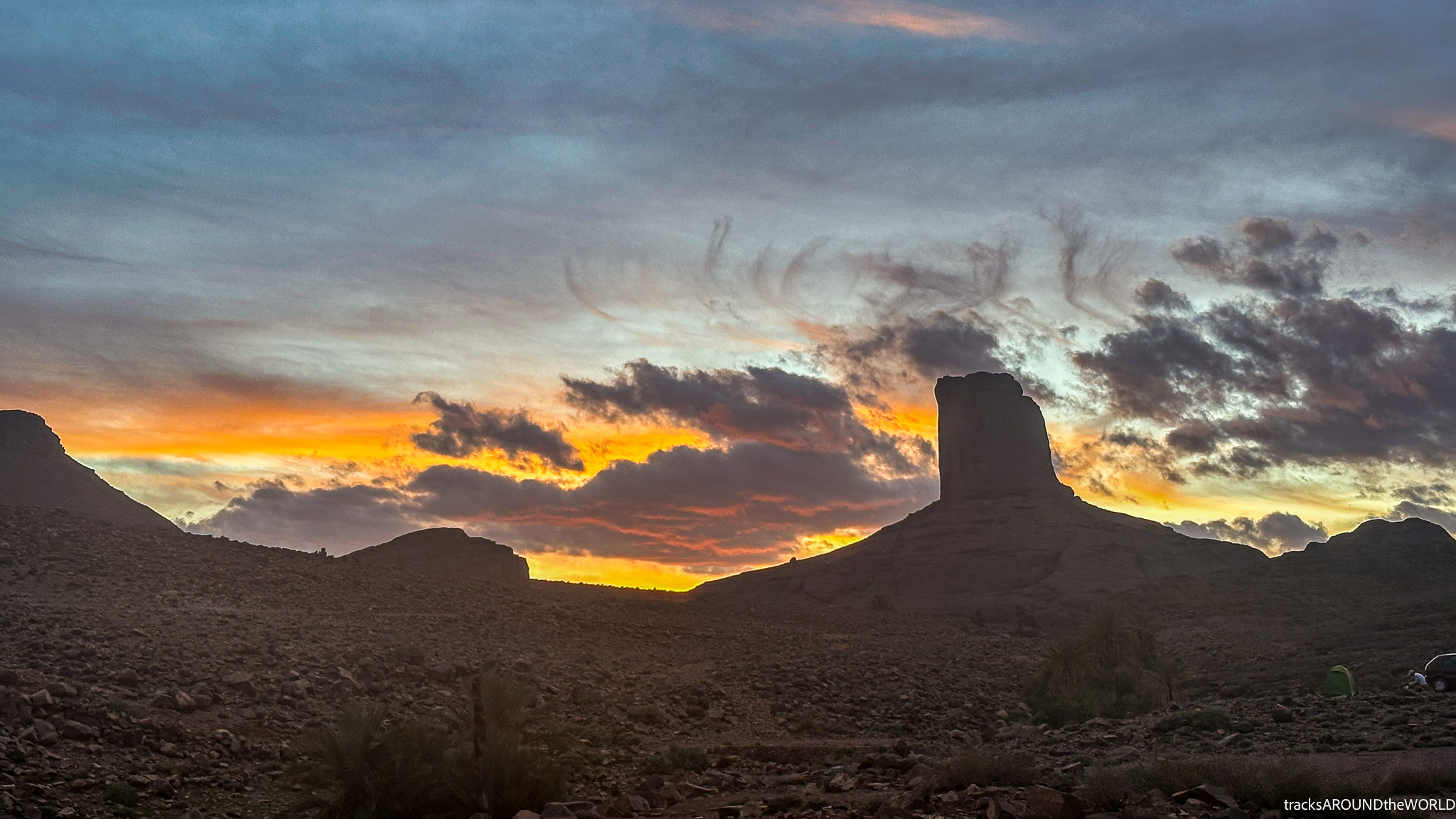
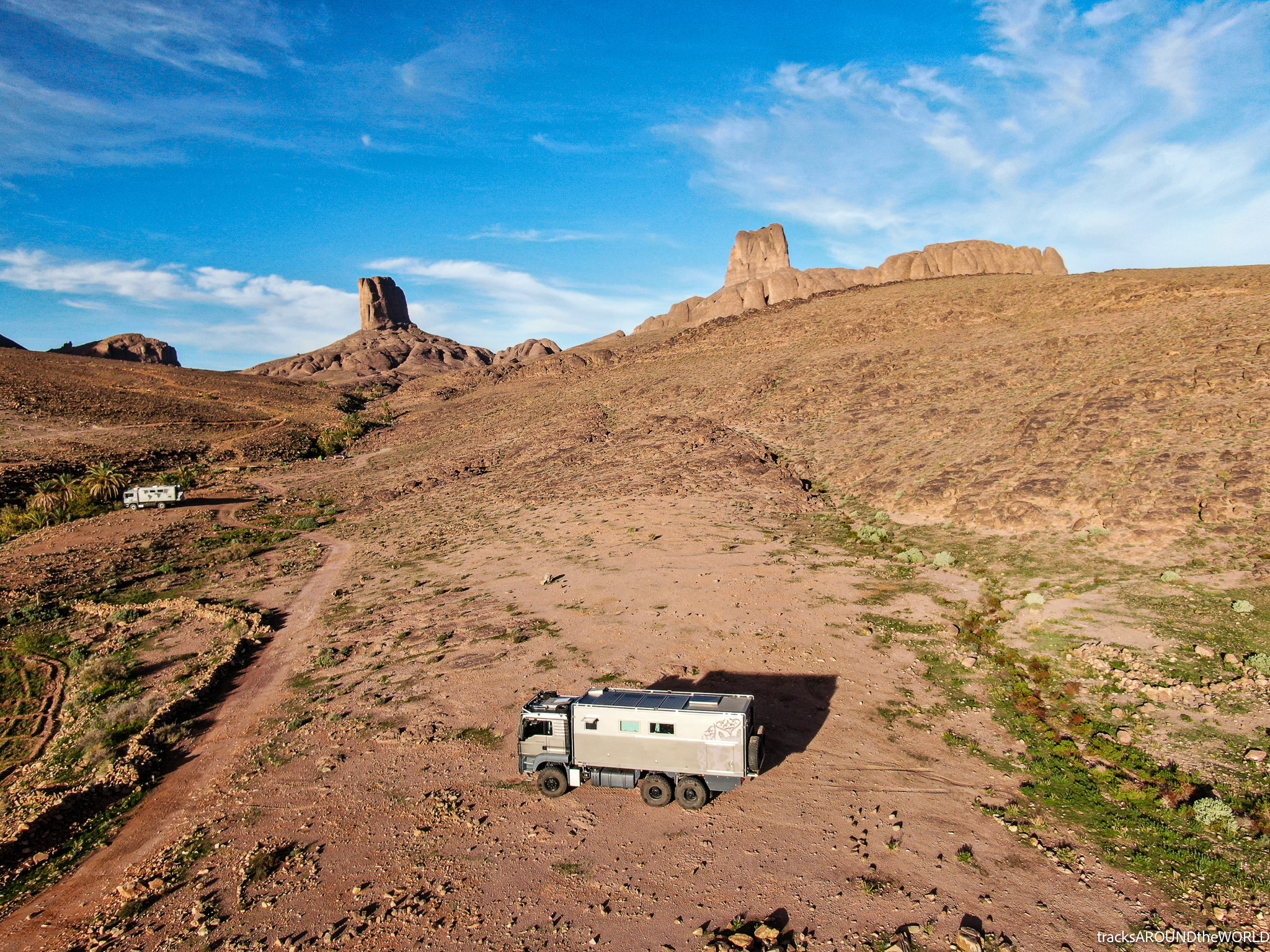
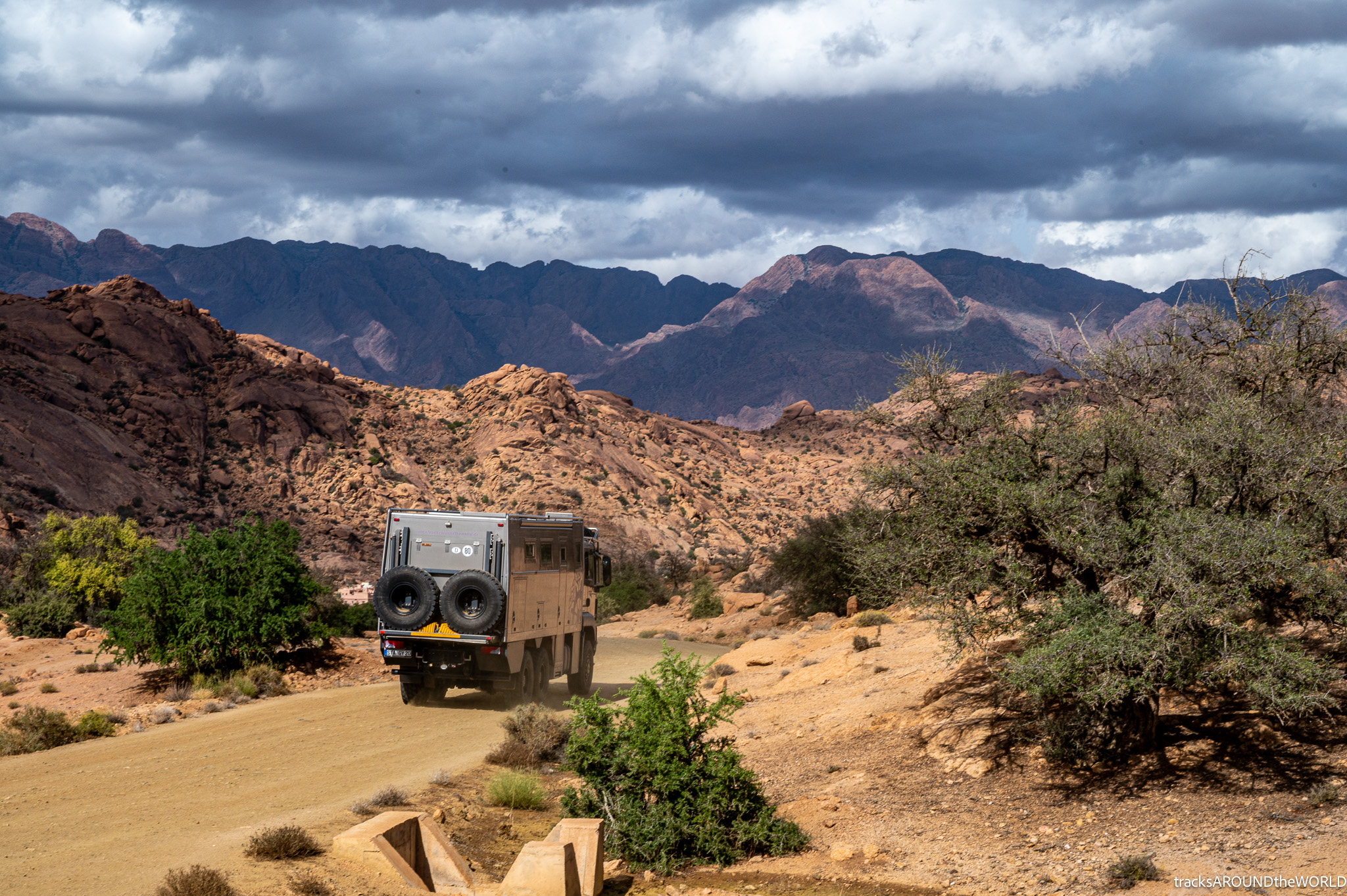
The weather is rather mixed at times, and there is already snow at the highest elevations of the High Atlas! The fascinating mountain range around Jebel Saghro and the striking sandstone formations of Bab n’Ali are also completely new territory for us, before we continue through the table mountains south of Foum Zguid and into the Anti-Atlas.
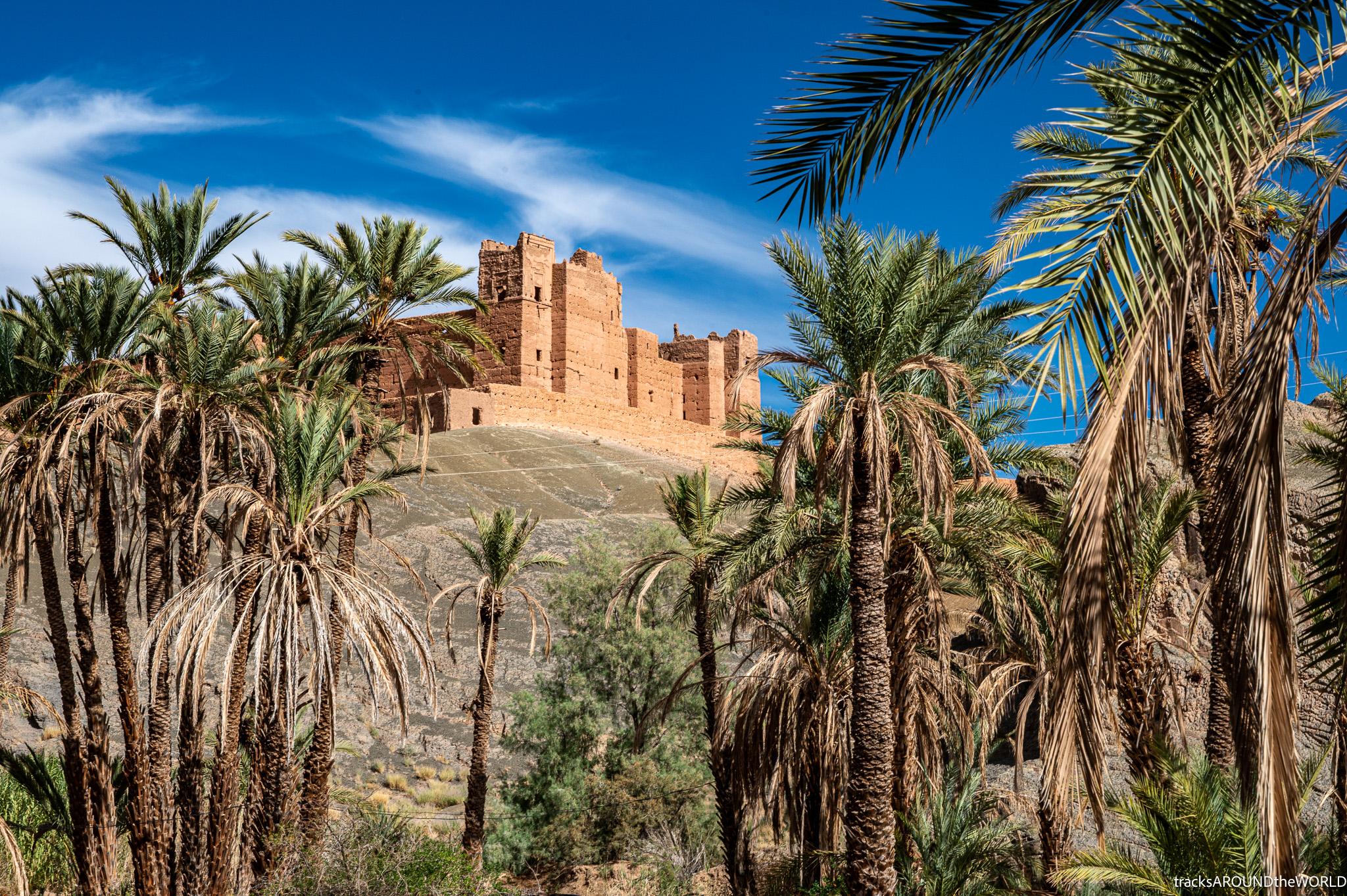
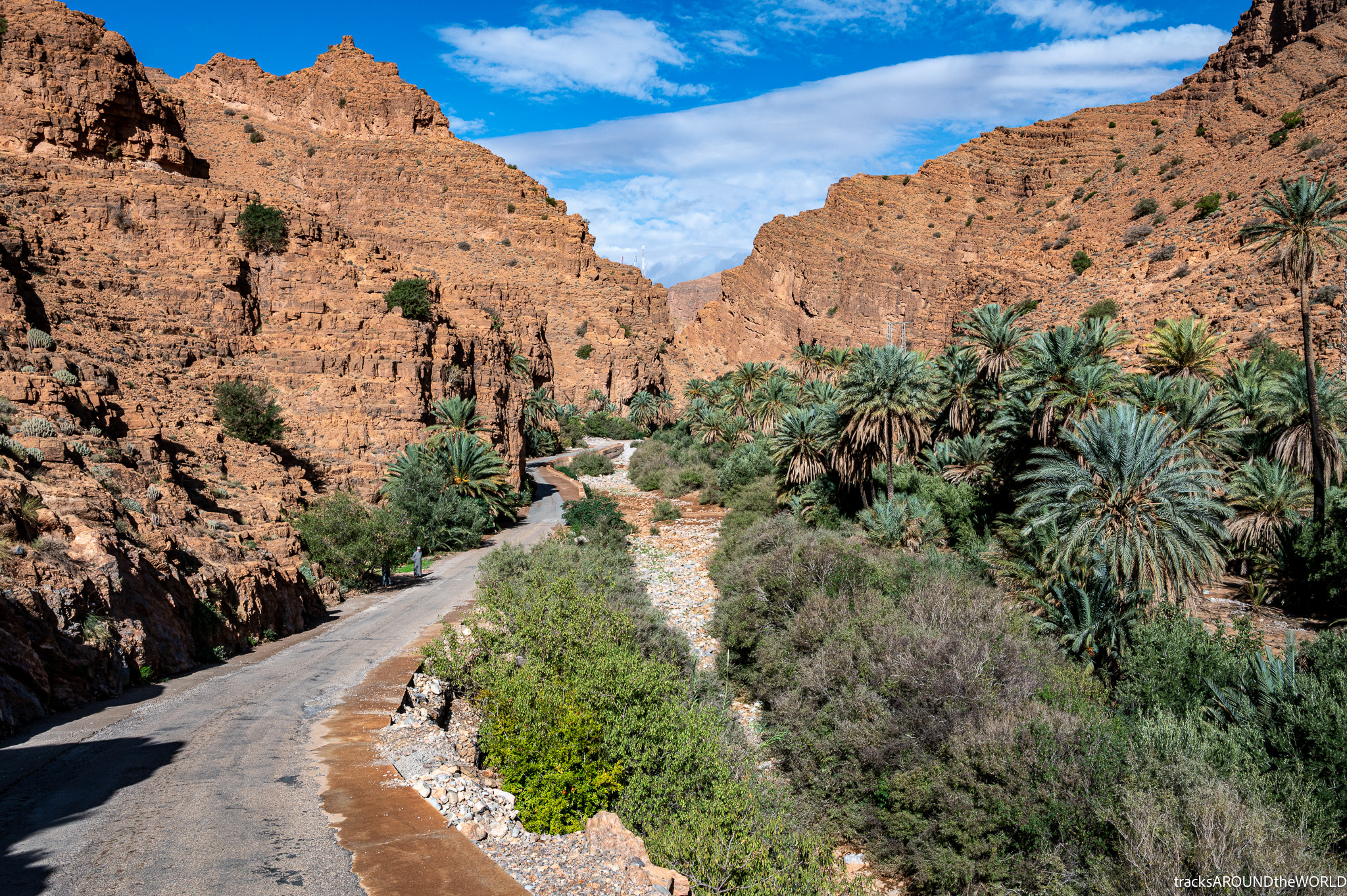
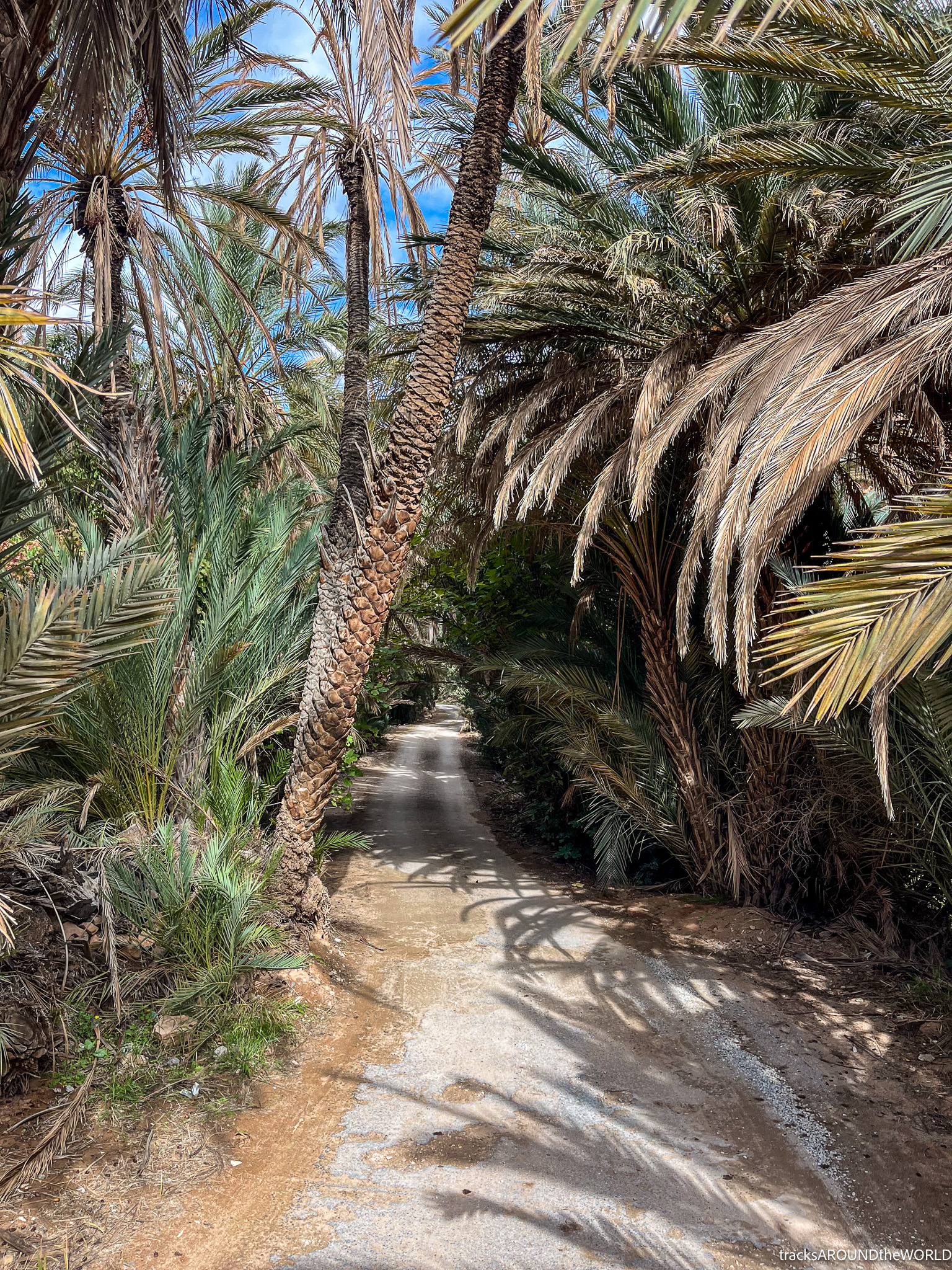
Ten years ago, during our first test trip, the Aït Mansour Gorge, at the southern end of the Anti-Atlas, was a real challenge. Its extremely dense palm groves forced our brand-new Shujaa, still without a single scratch, to squeeze its way through the vegetation, and we suffered every inch of the way. We are curious to see how it feels this time around. Unfortunately, the gorge hasn’t got any wider, nor have the palm trees become any less dense. Quite the opposite, actually – it seems even more overgrown than we remember (after all, palm trees grow too 😉).
Eventually, we make it through, admiring both our own cool-headedness ten years ago and the fact that we’re actually putting ourselves through it all over again. Unfortunately, we don’t get through entirely unscathed. While filming the spectacle through the open passenger-side window, a palm frond knocks Karin’s still very new iPhone straight out of her hand. It falls 3.5 metres to the ground. Total write-off.
So we make a short, unplanned detour to Agadir to get a replacement – probably our last chance to buy one for the next few months.
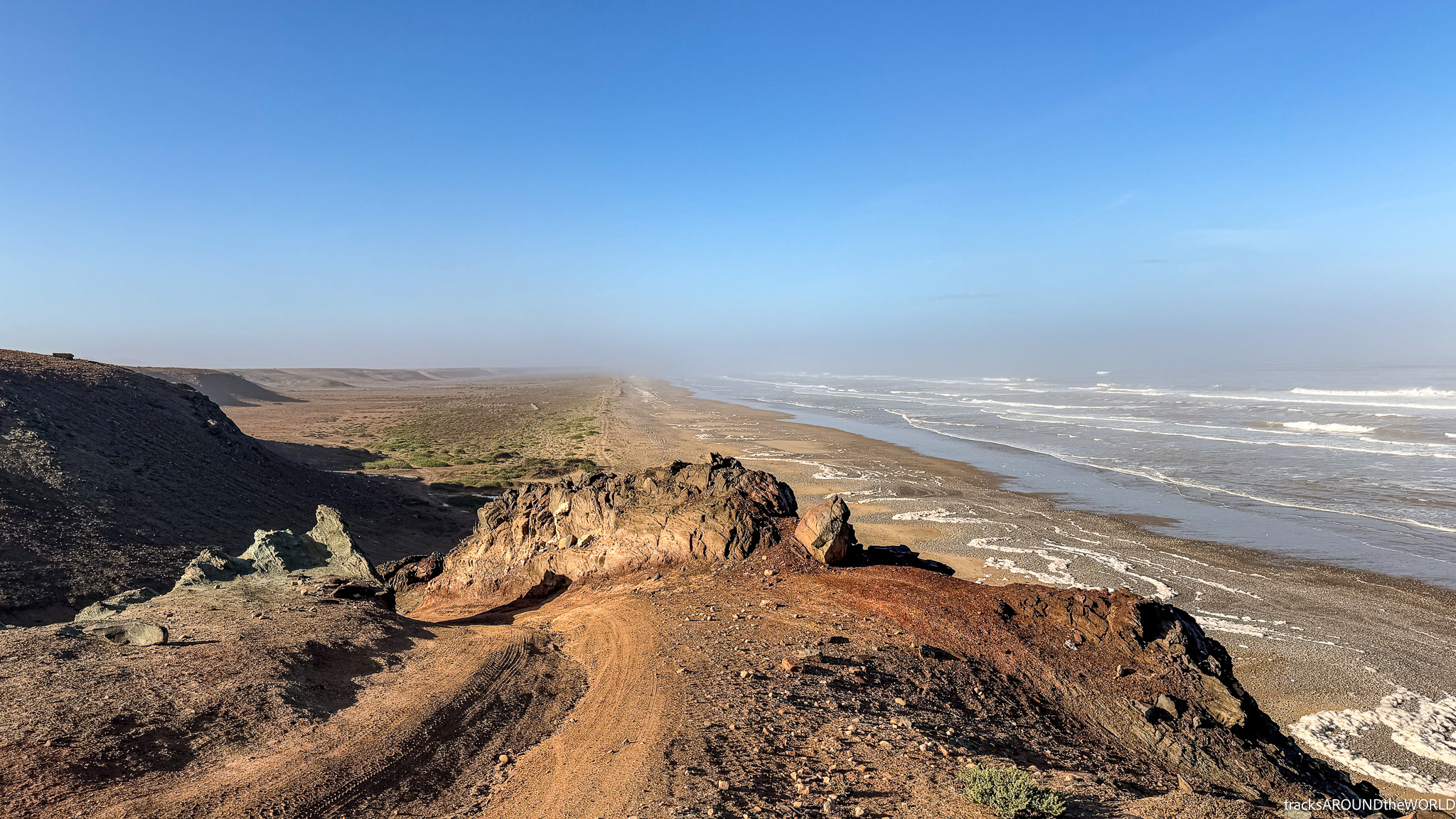
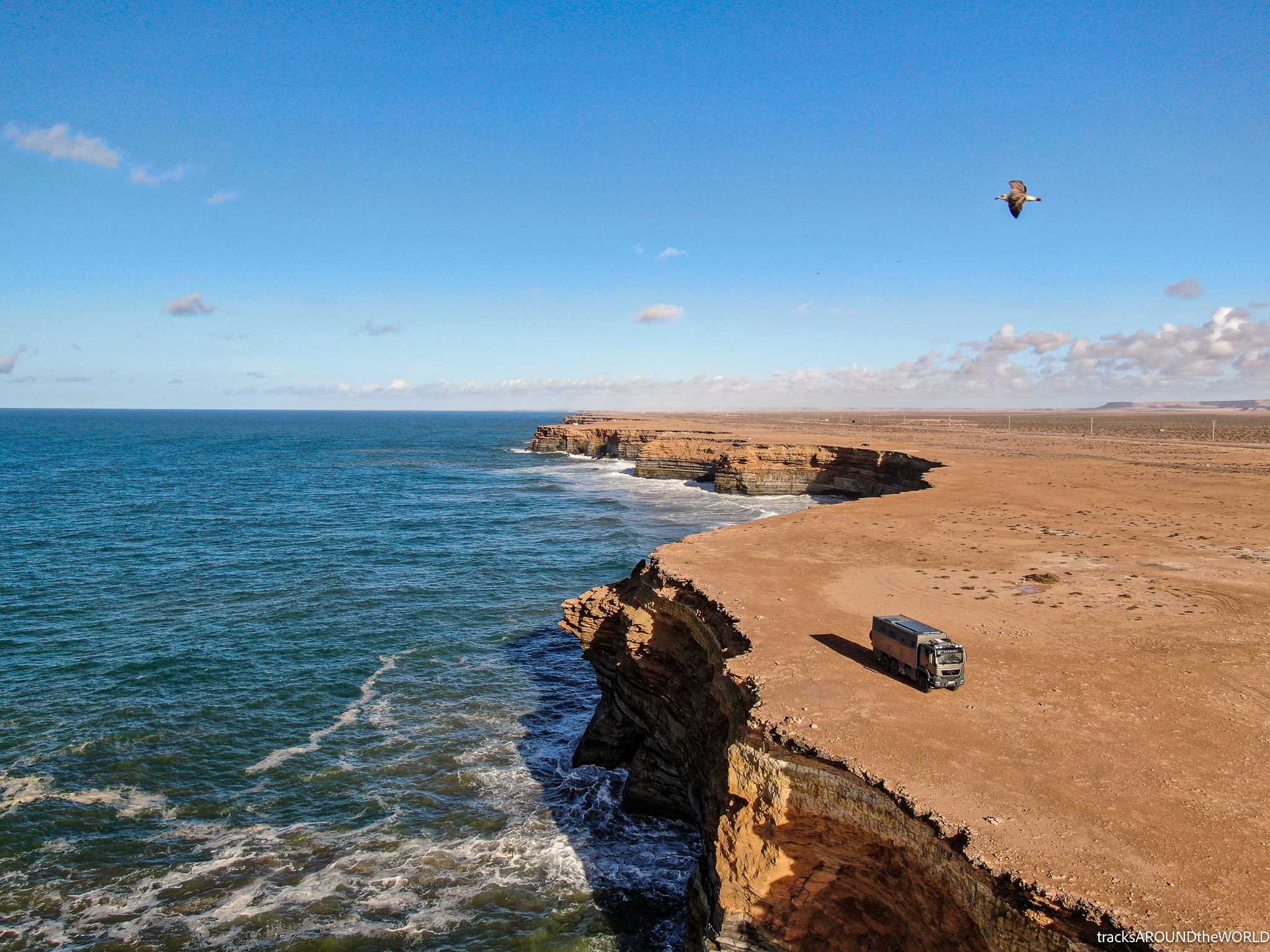
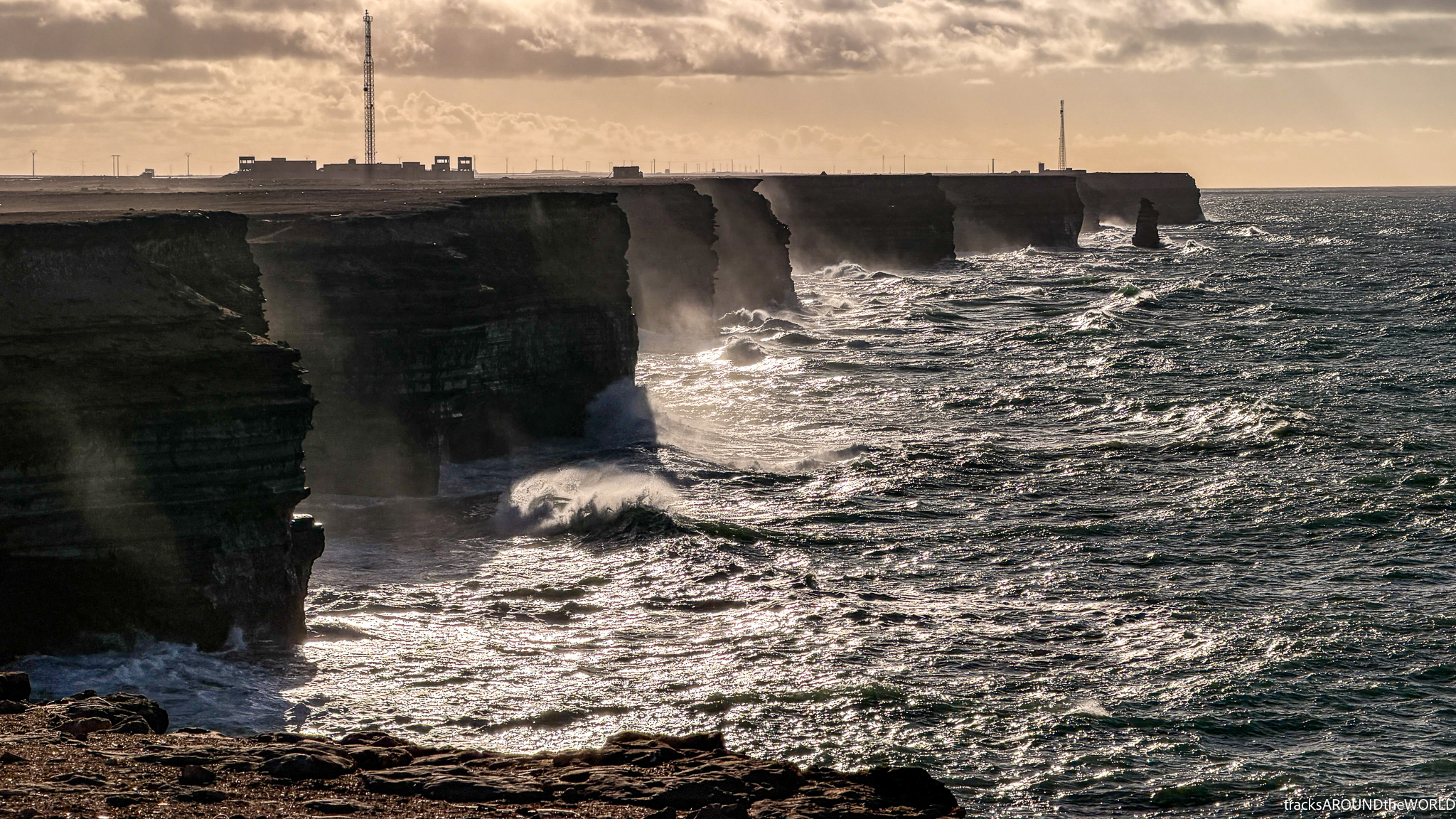
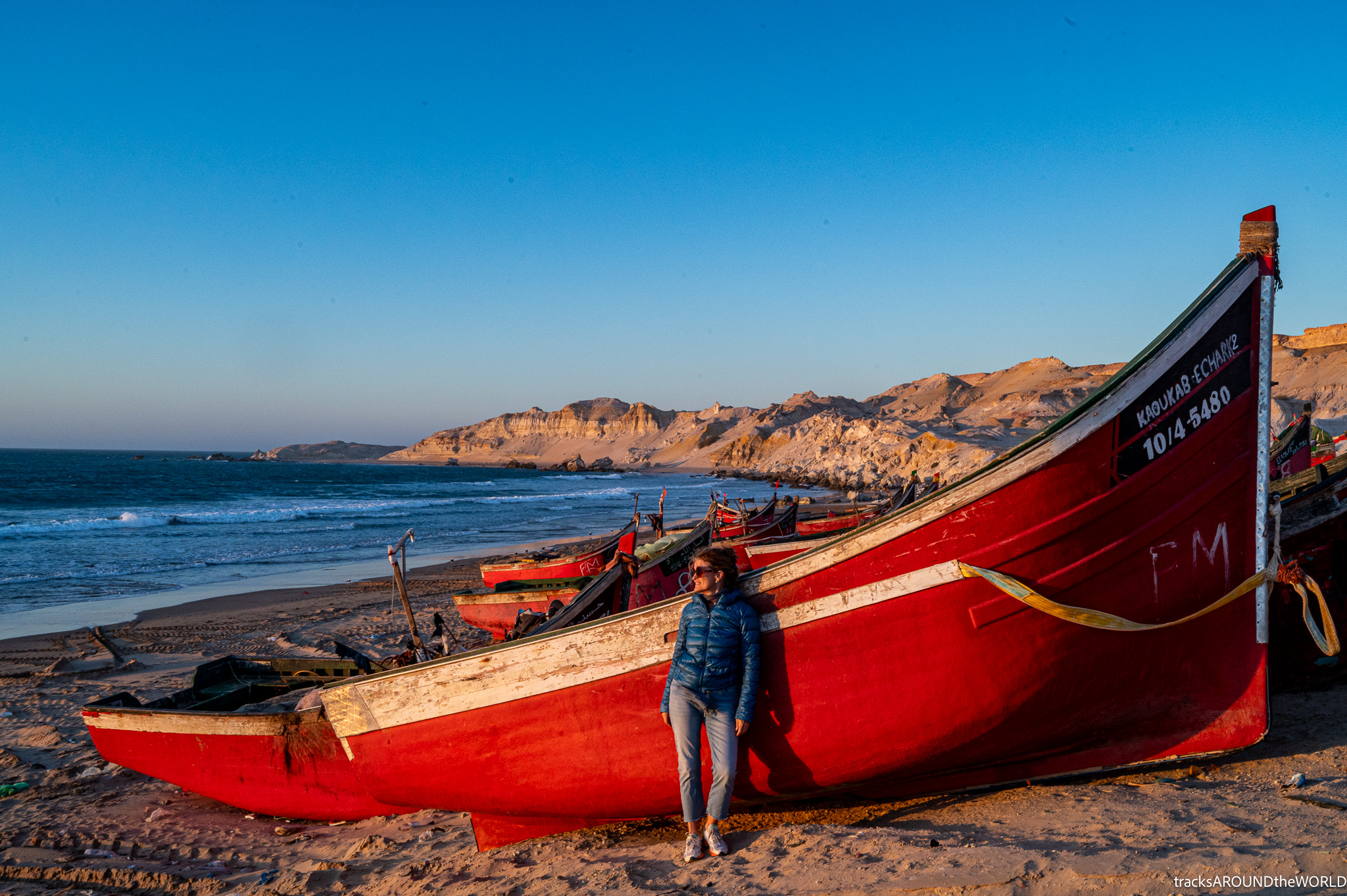
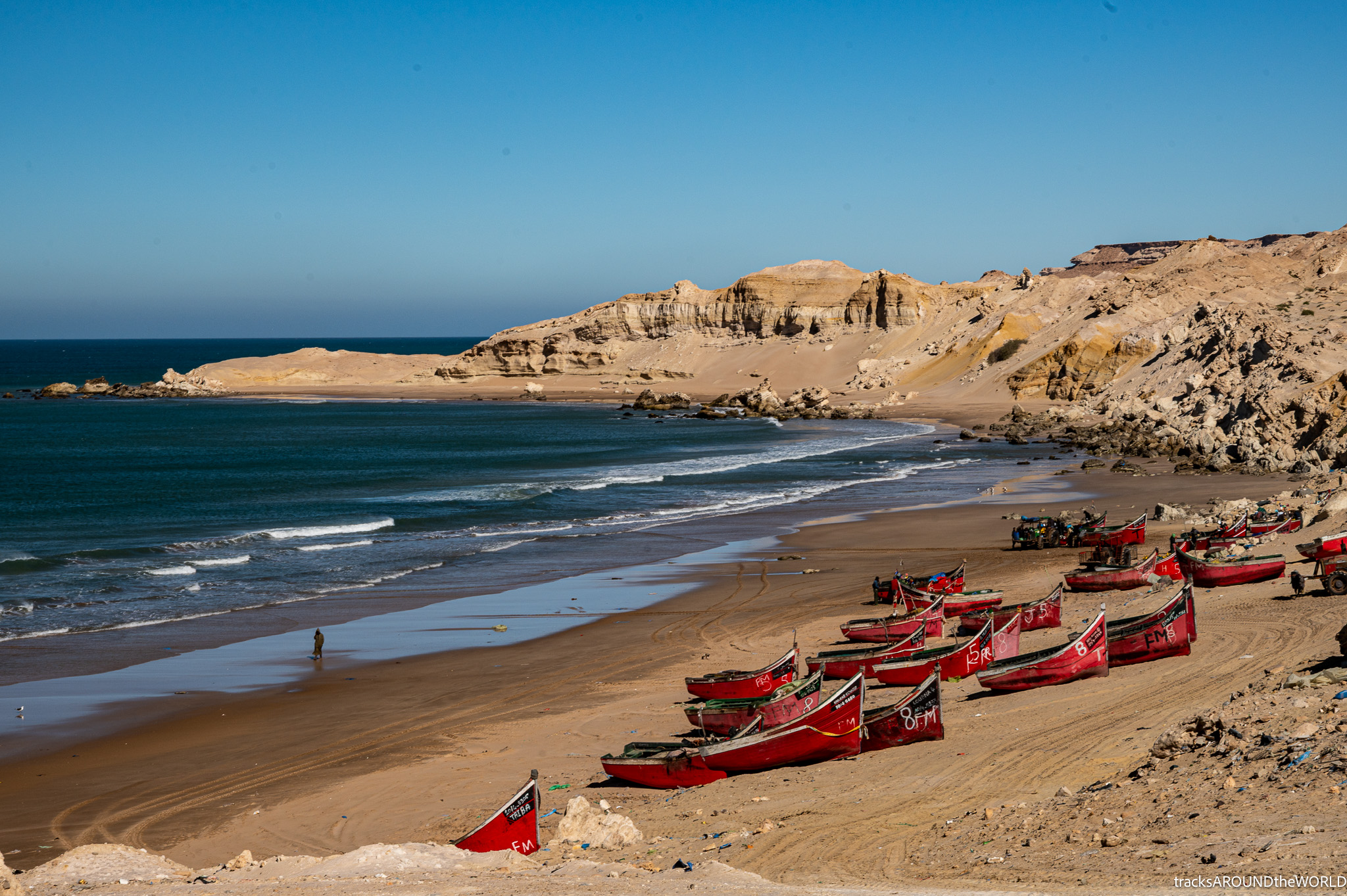
Next, we tackle the 70 km stretch of Plage Blanche (this time with our quad, Shujoo, rather than Shujaa, as we did back then) before heading into Western Sahara. A former Spanish colony, the territory was annexed by Morocco in 1975, a move that is still not recognised under international law by most countries. The UN peacekeeping mission in the territory, where the independence movement Polisario is active, has just come to an end in late October, making the overall situation particularly interesting. We encounter considerable military movements heading south.
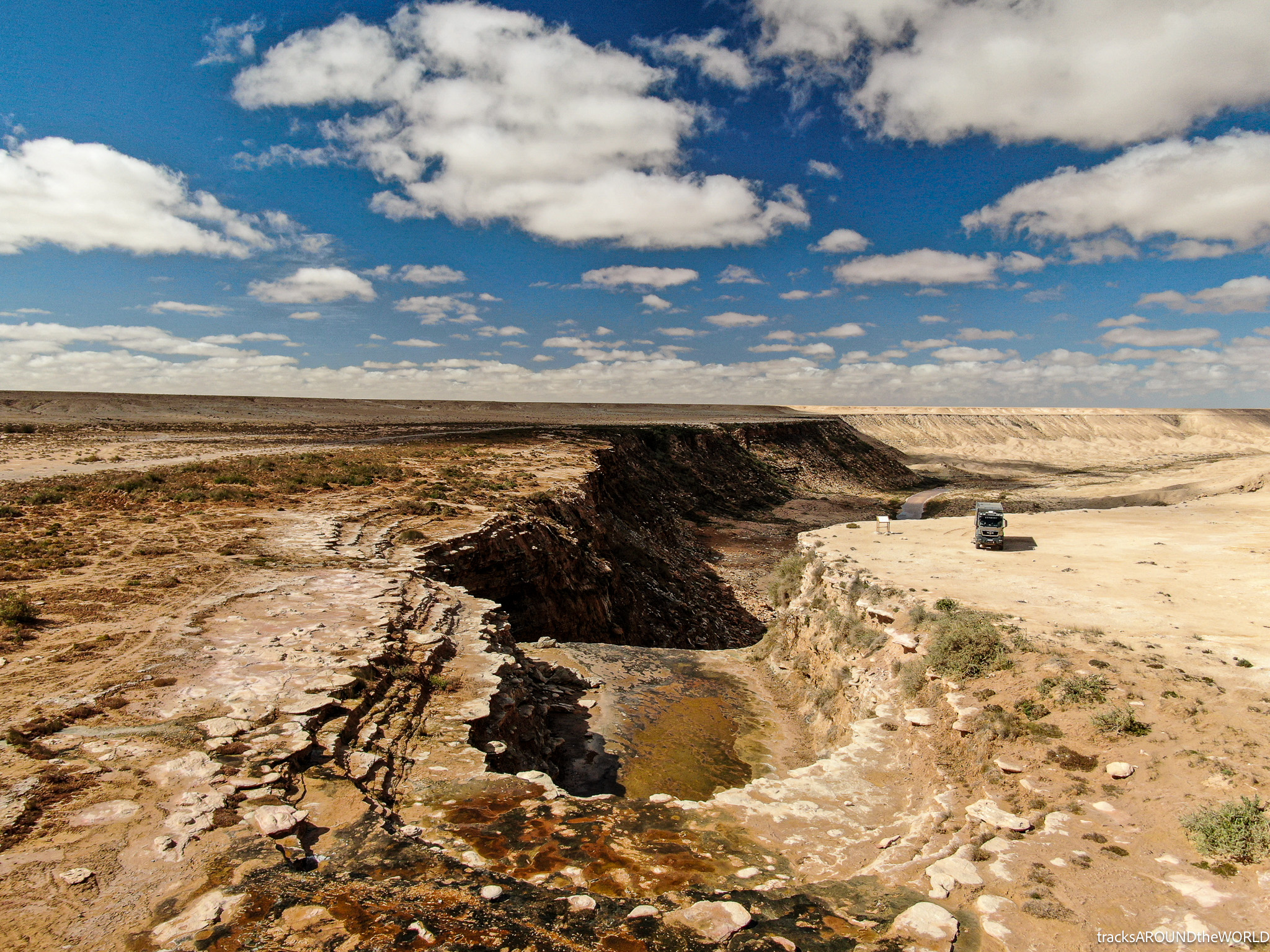
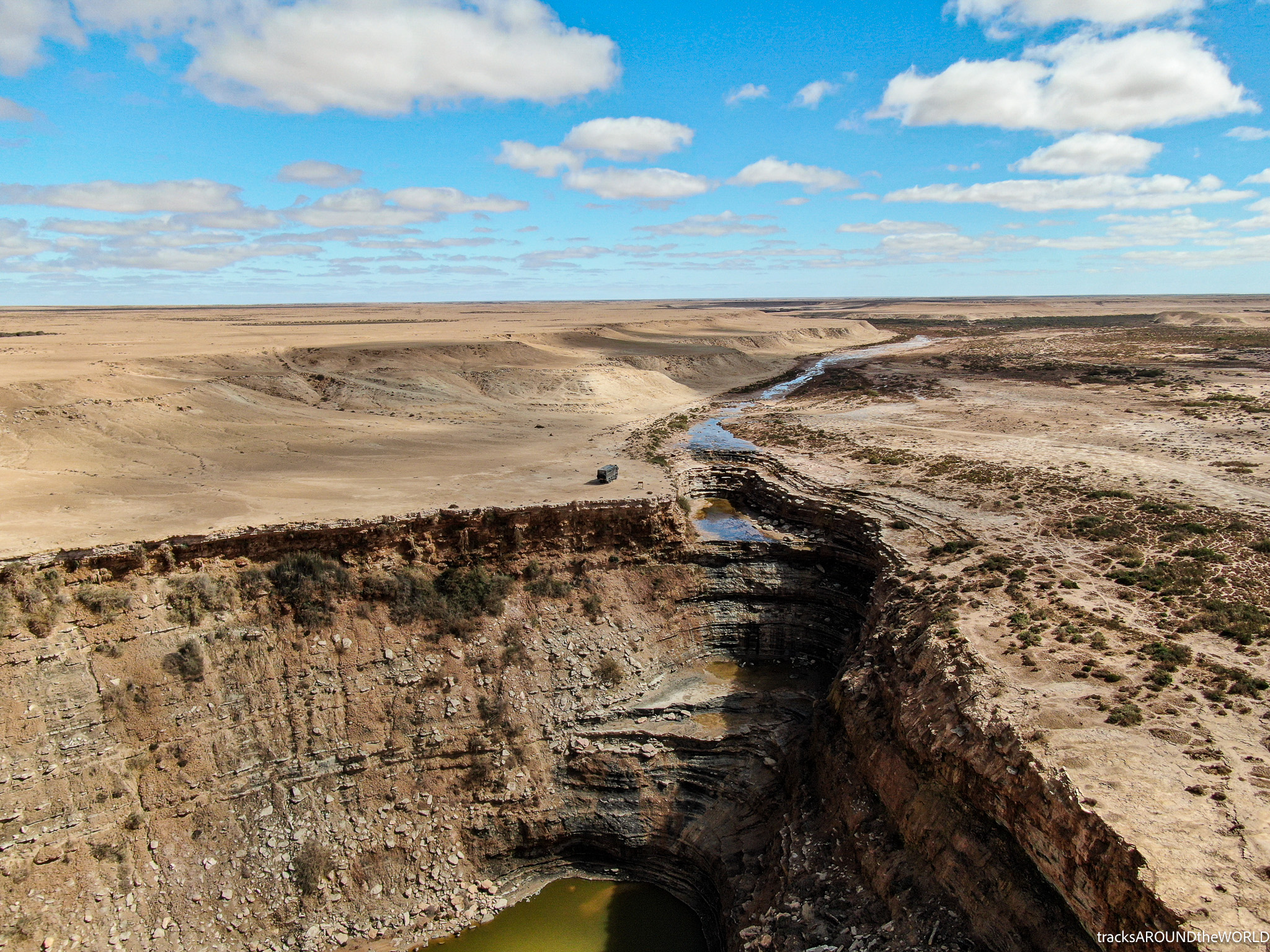
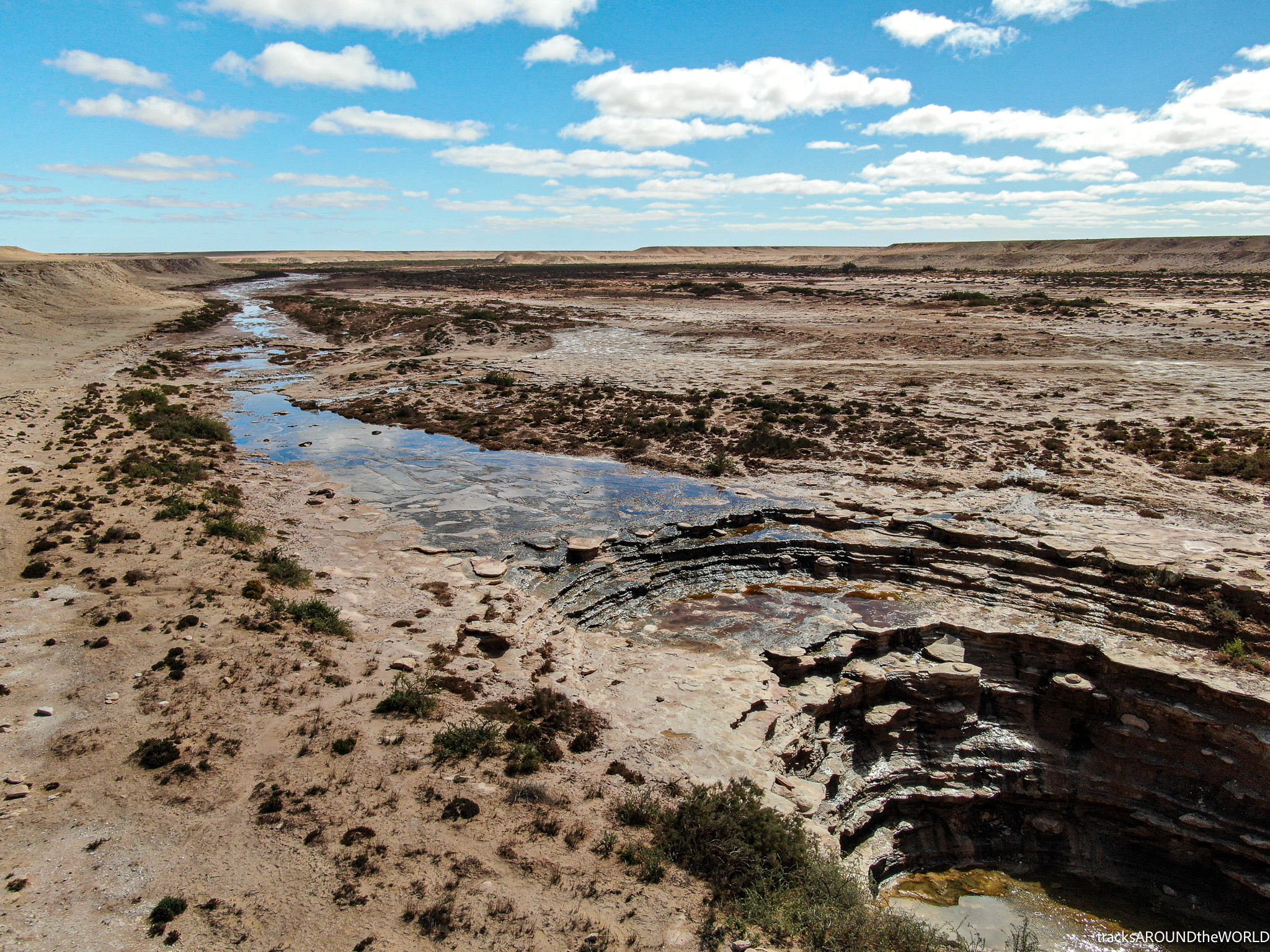
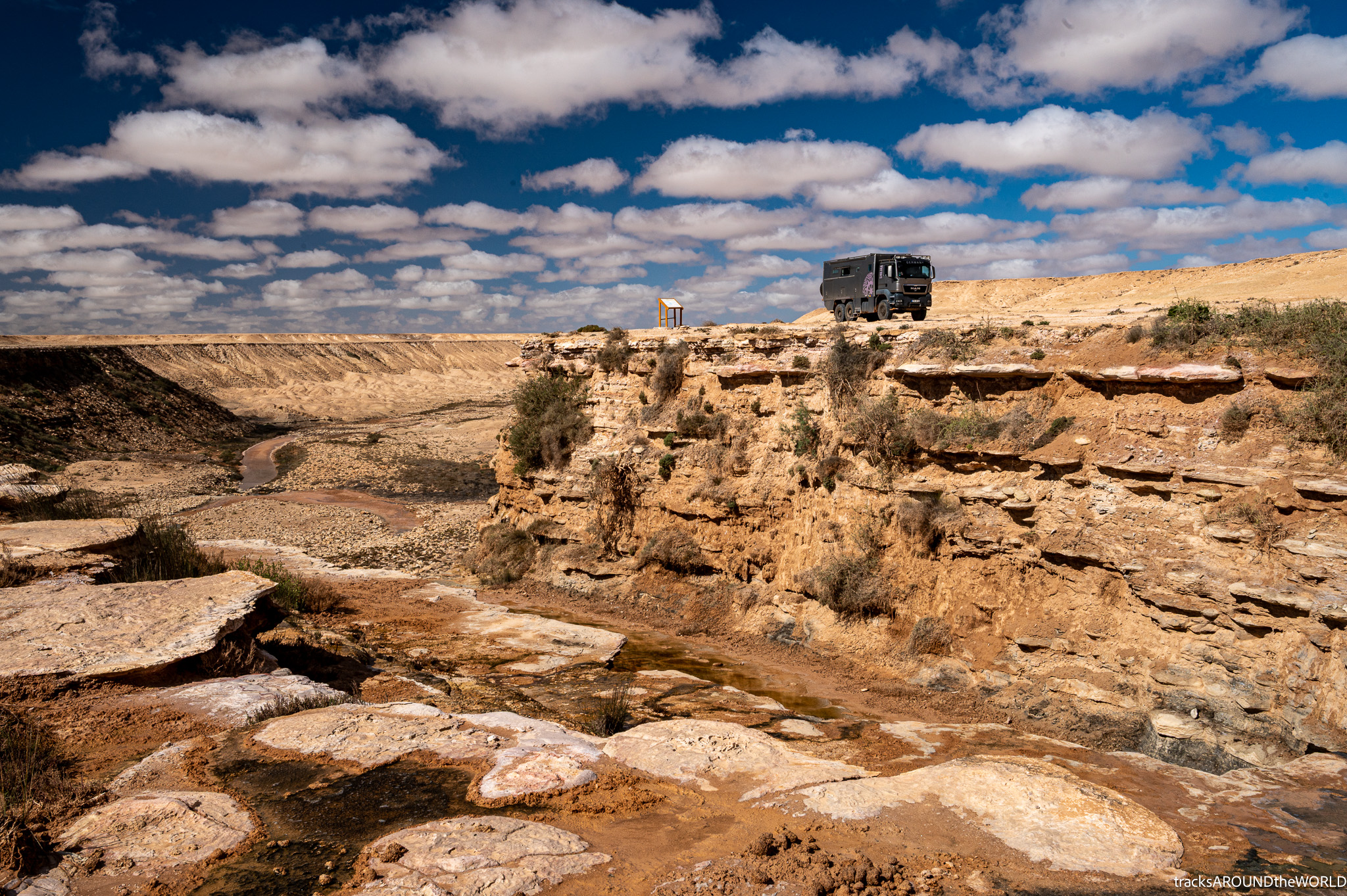
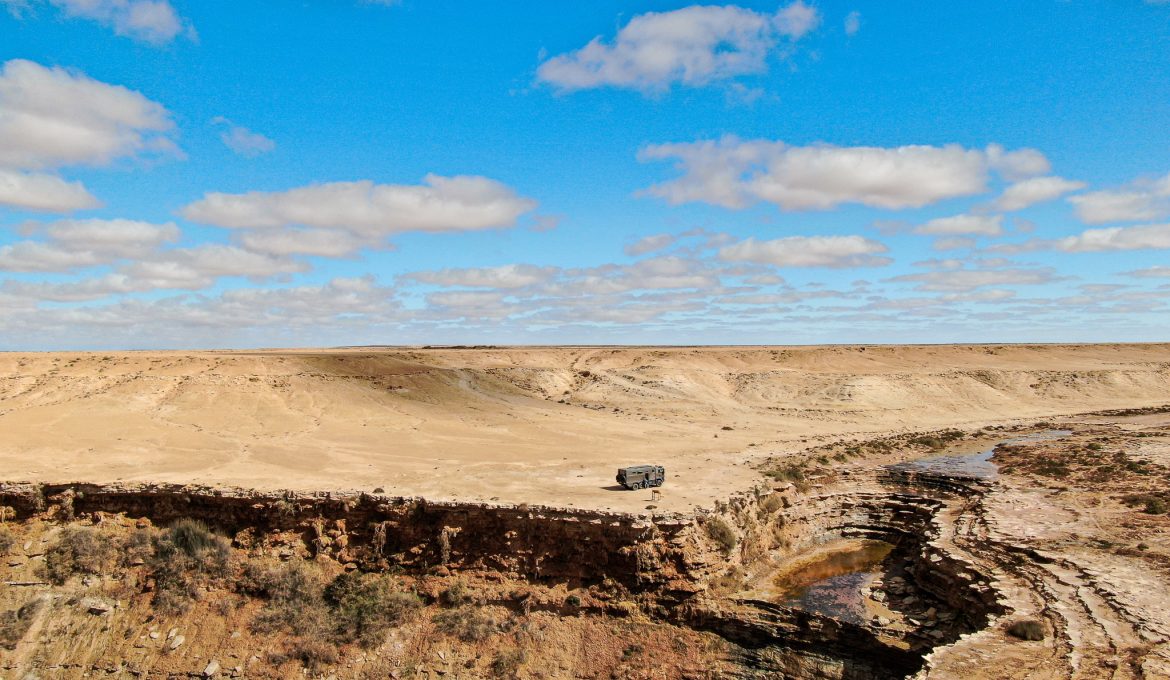
A detour to the Khaoui Naam waterfall turns out to be a real highlight, even compared with some of the extraordinary places we’ve seen around the world. Completely isolated, the sulphur-rich water has carved spectacular terraced formations into this barren landscape over millions of years. An utterly remote location, just the way we love them!
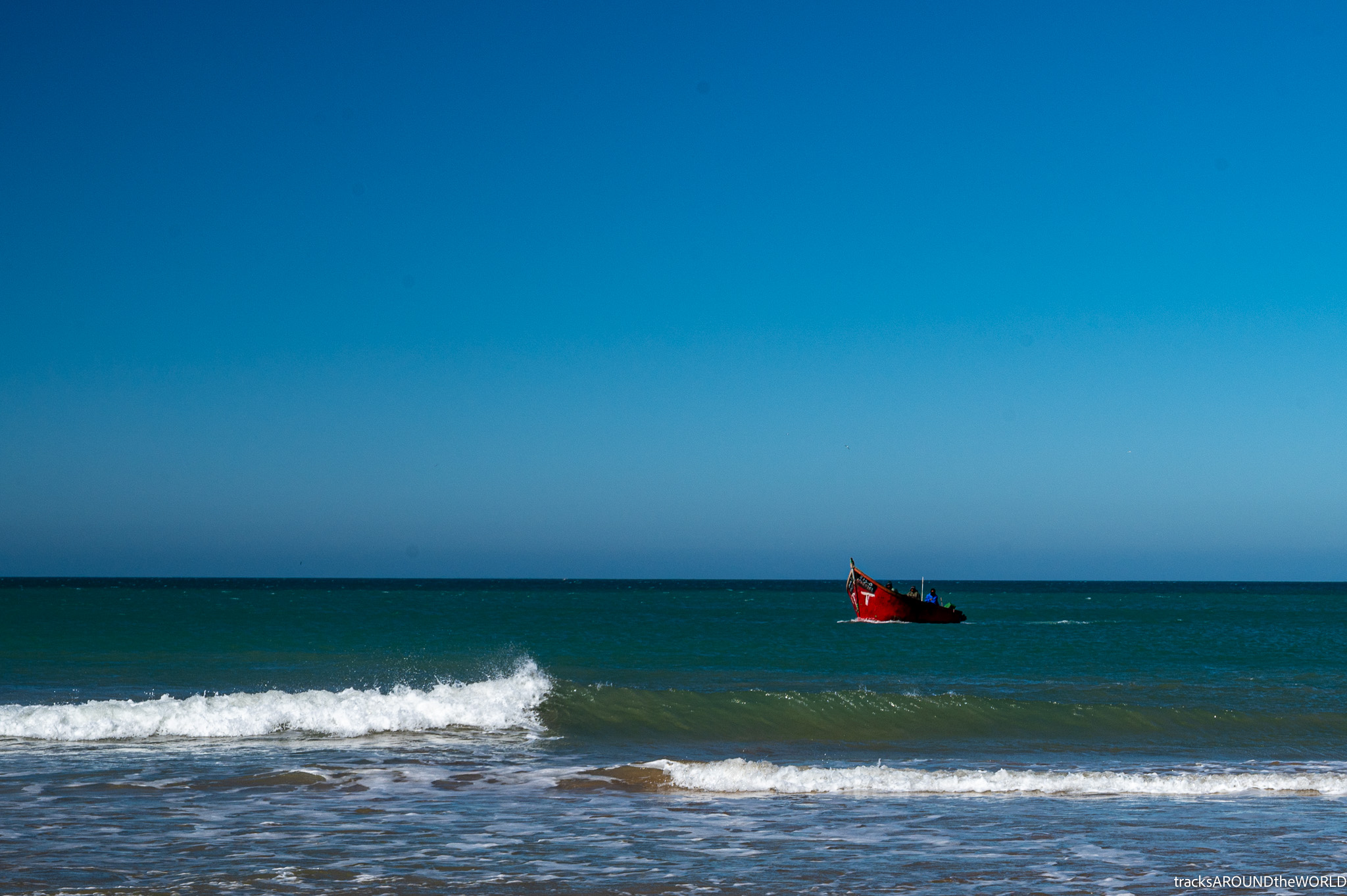
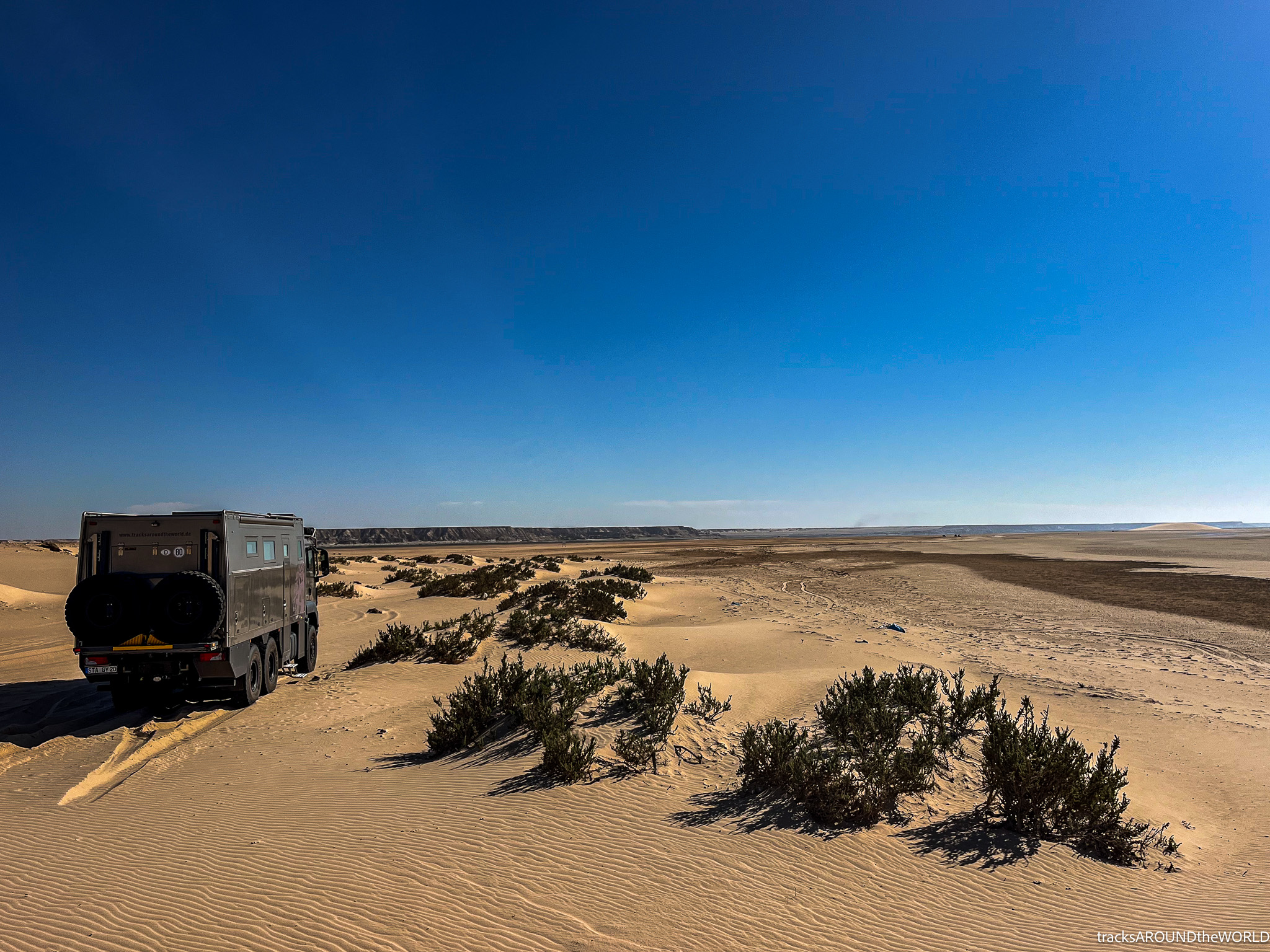
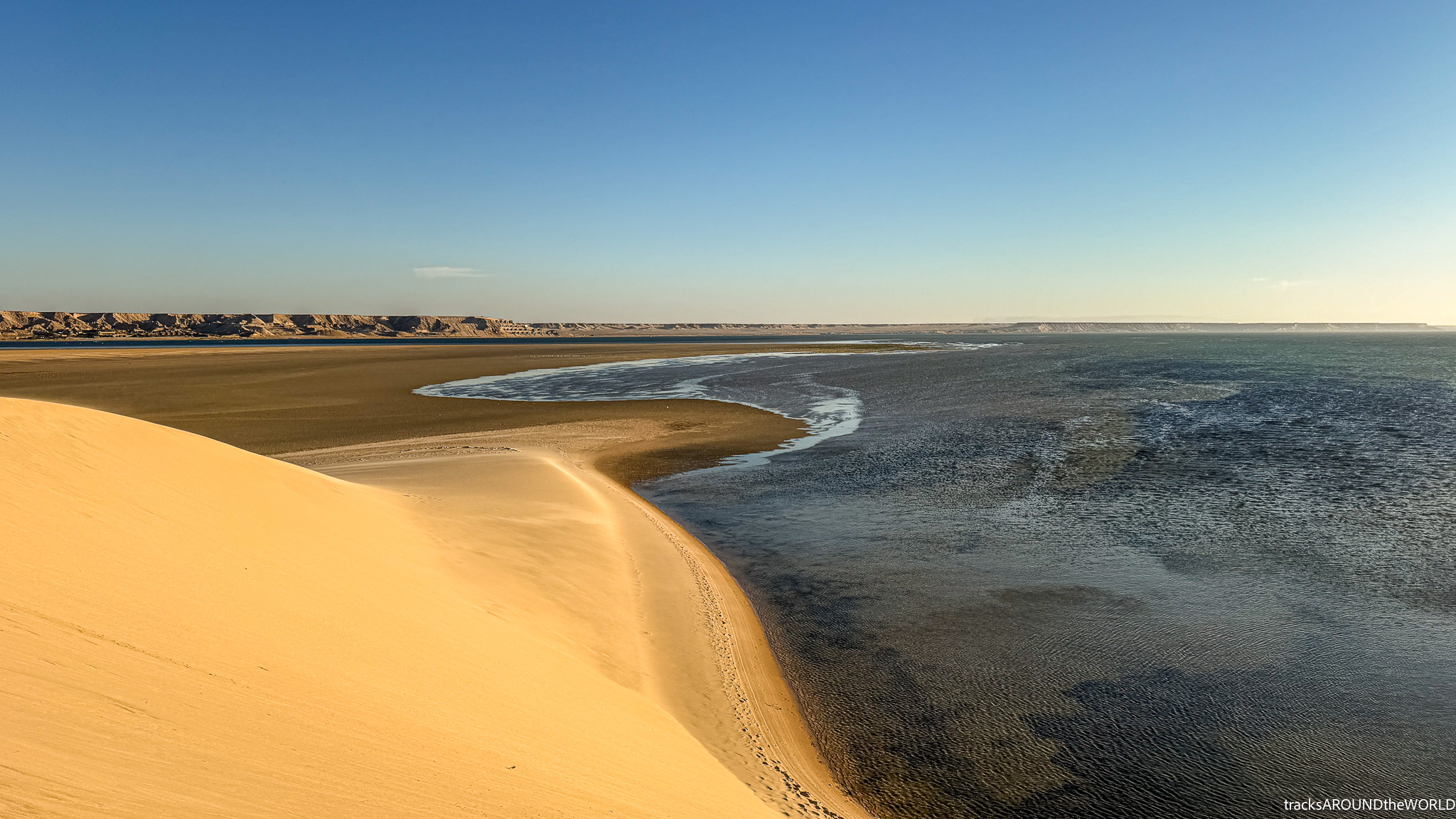
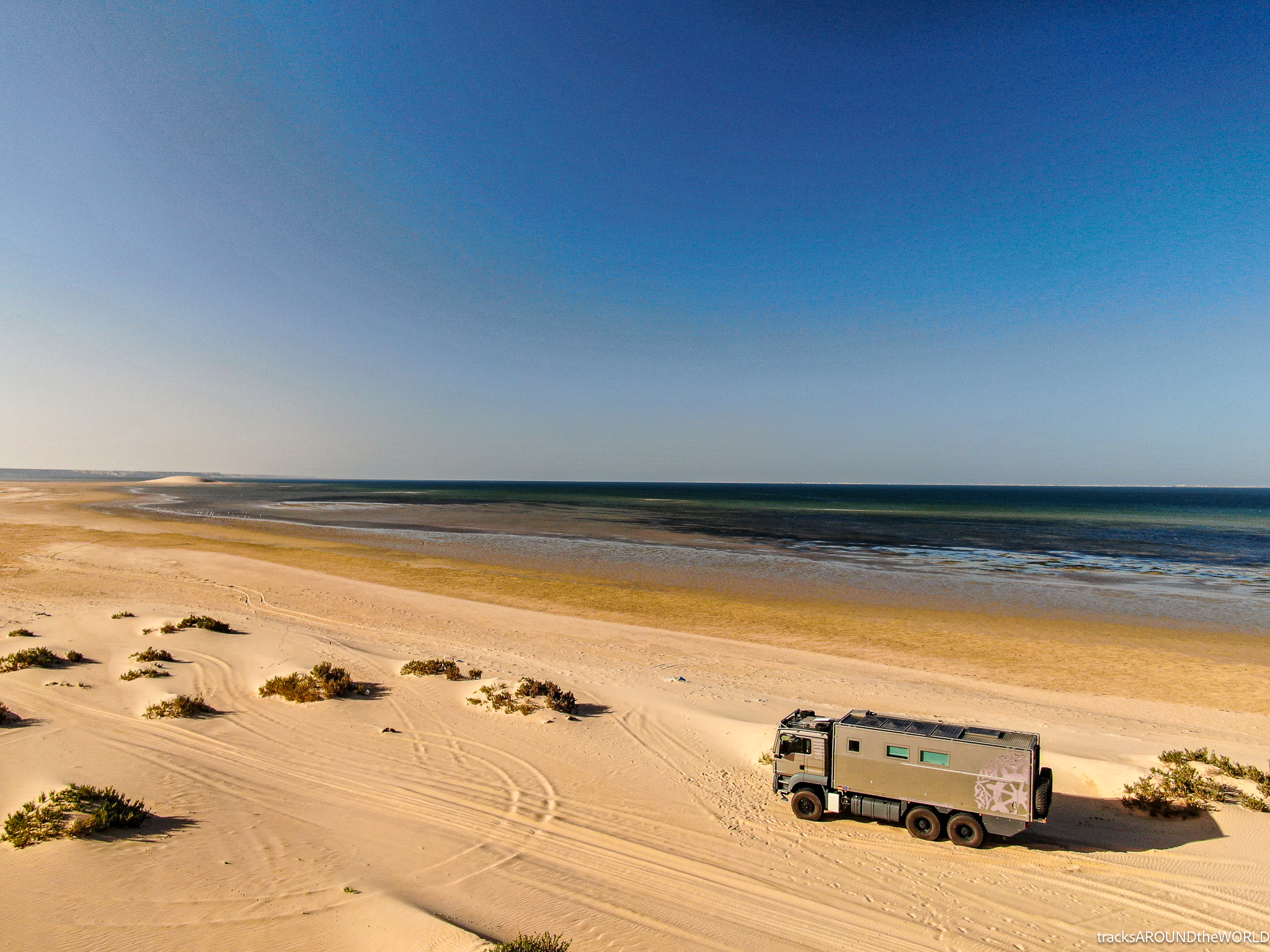
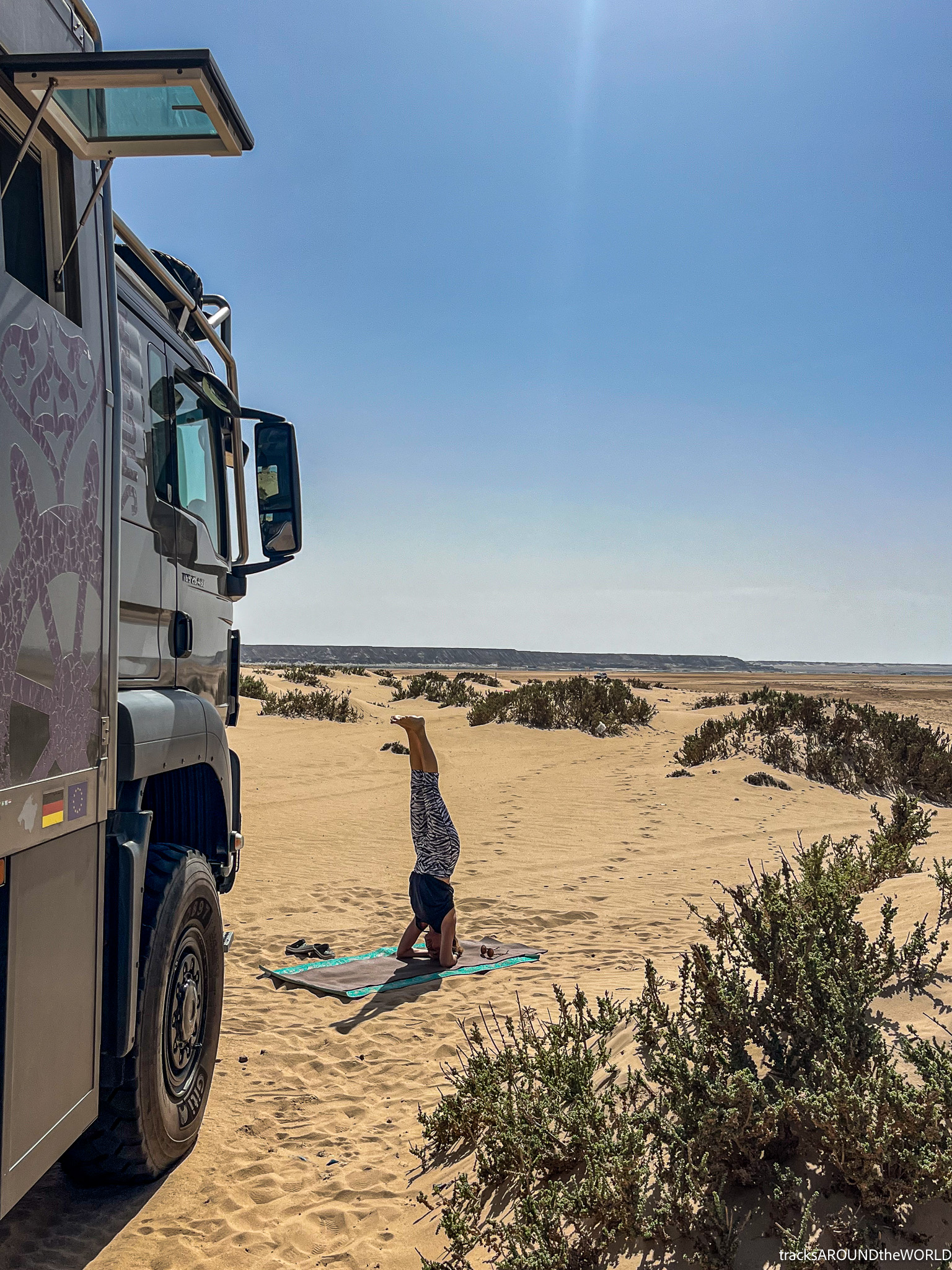
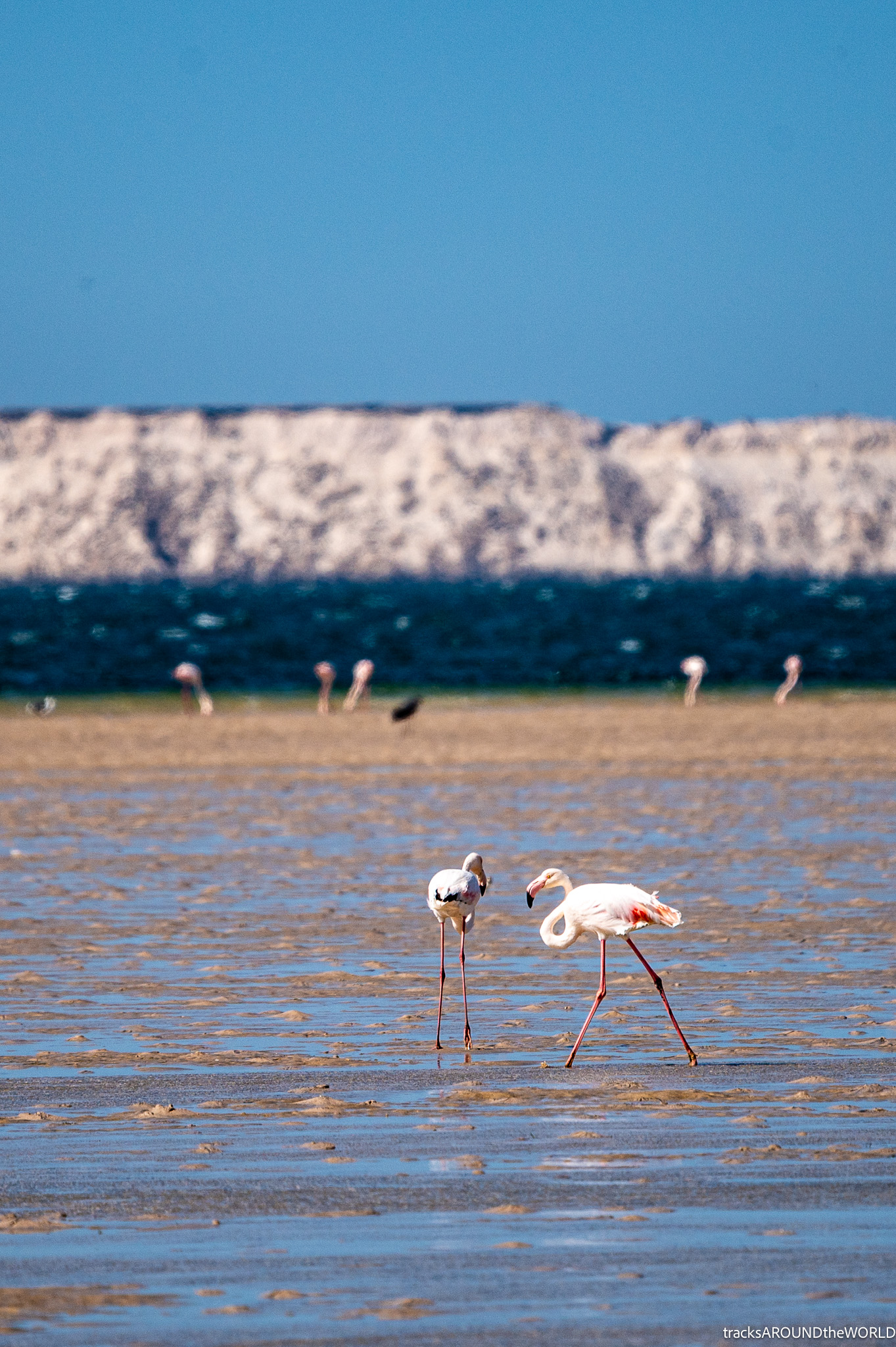
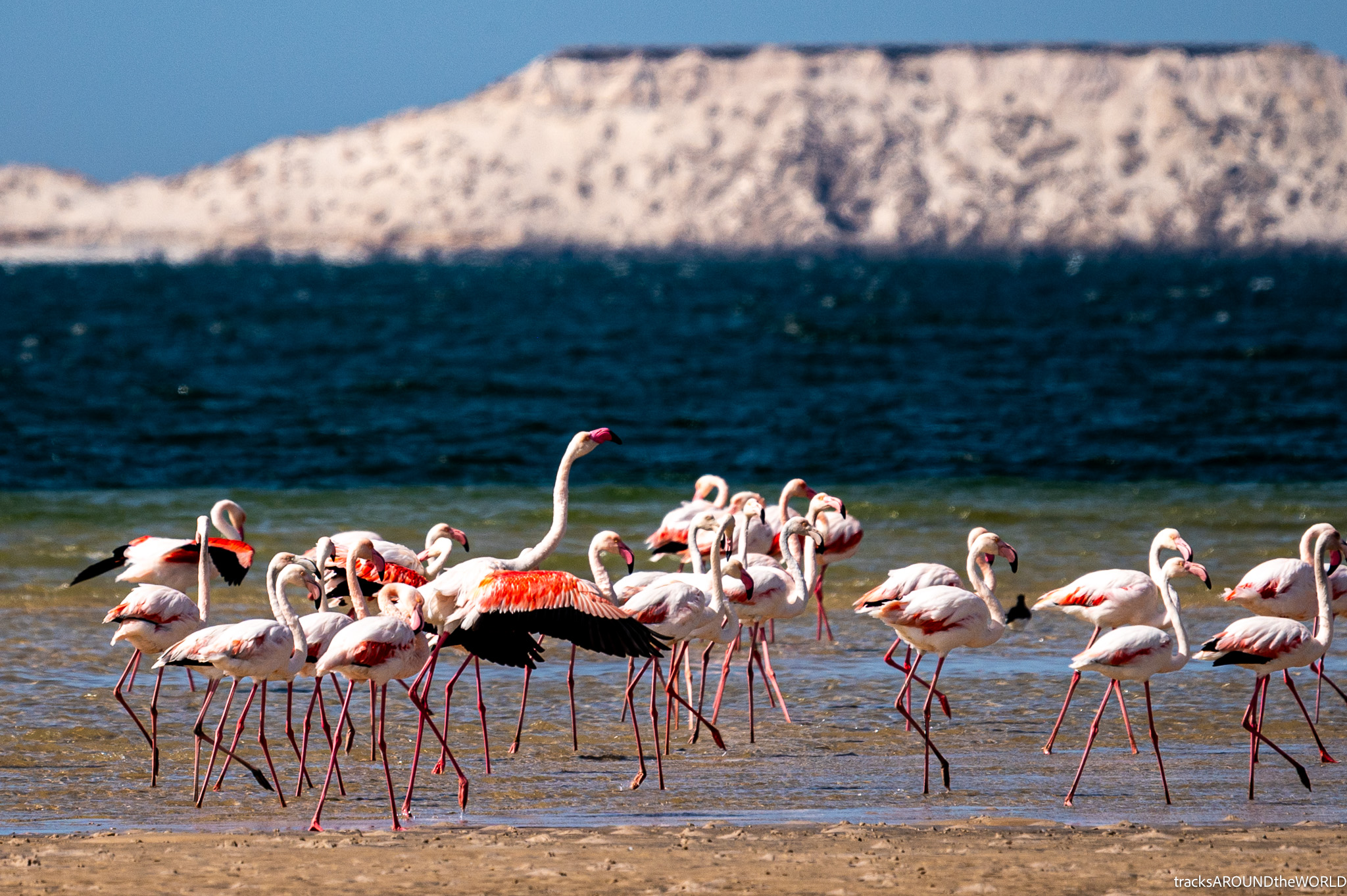
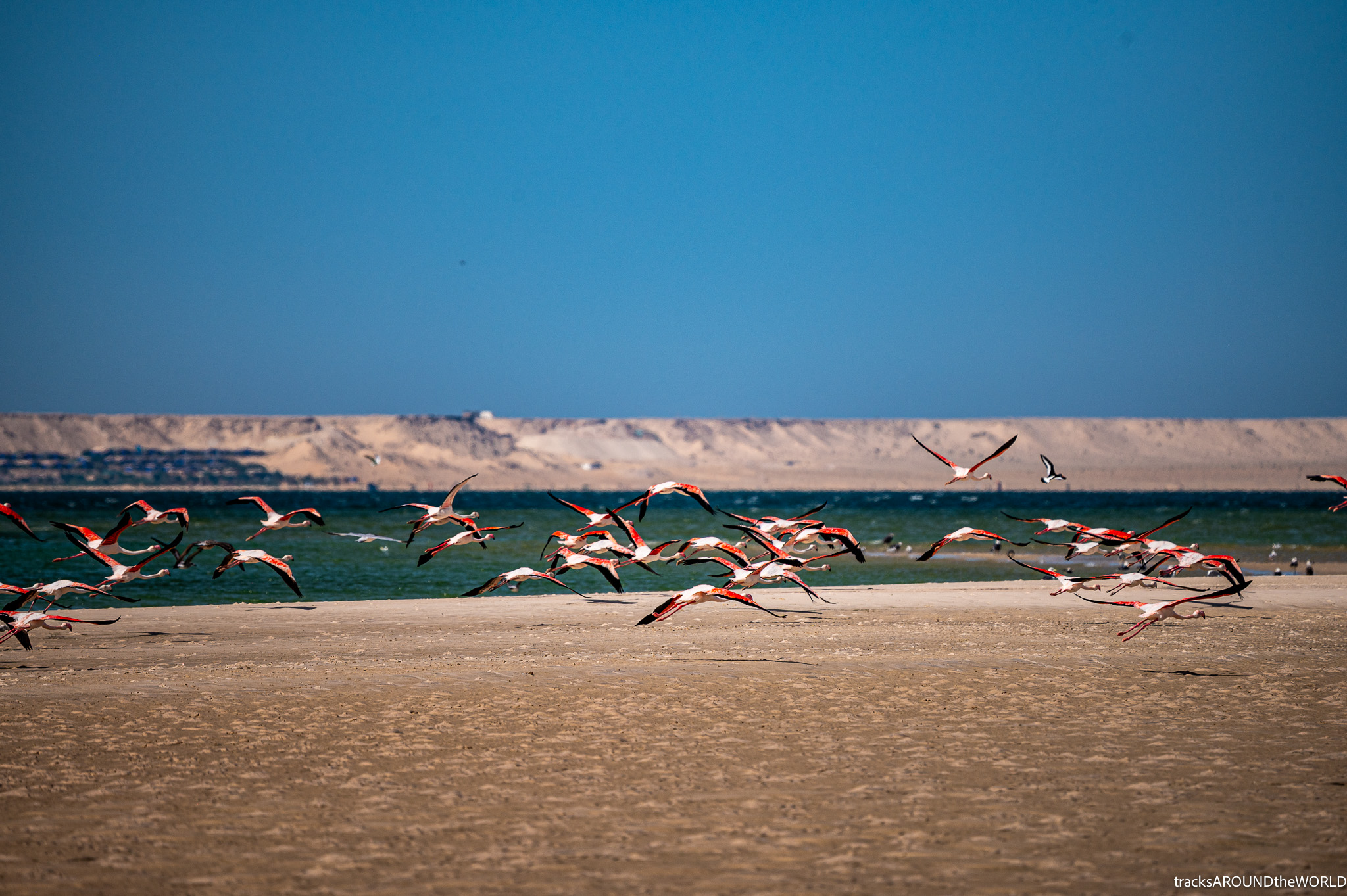
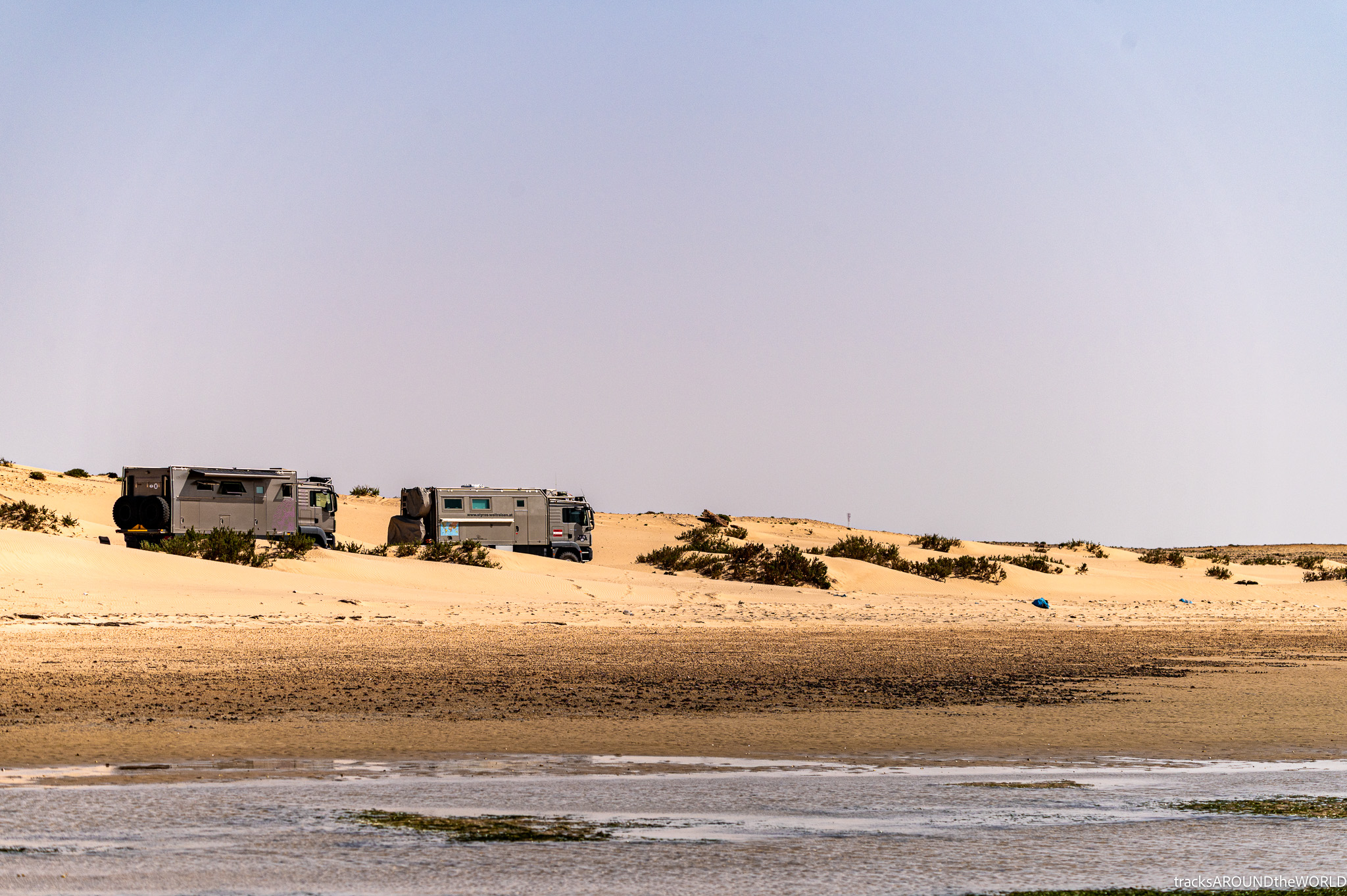
Our last stop before crossing into Mauritania is the well-known surfing hotspot of Dakhla. We spend a few days parked near the so-called White Dune, overlooking the lagoon, relaxing and recharging before the first real adventure of this journey: Mauritania.